To enhance communication and manners in sissy training, prioritize using polite language to build respect and a positive atmosphere. Active listening techniques, like reflective listening and empathizing, deepen understanding. Pay attention to non-verbal signals; body language reveals emotions and comfort levels. Master proper etiquette for mutual respect and social interaction. Resolving conflicts gracefully, with empathy and effective communication, is essential. These practices lay a strong foundation for successful sissy training, ensuring growth and understanding in your journey.
Importance of Polite Language
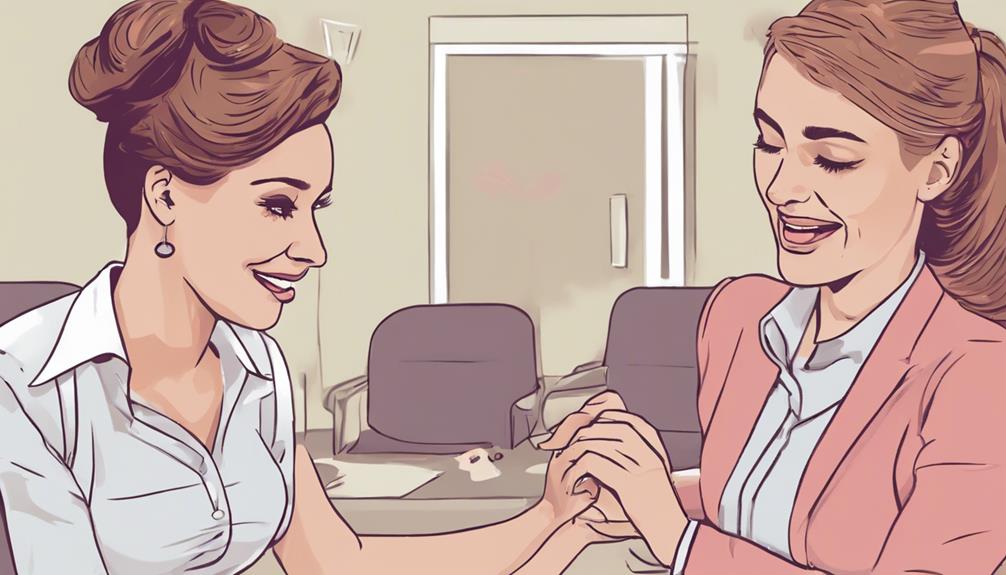
Polite language plays a crucial role in sissy training, fostering respect and creating a positive learning environment for all involved. Maintaining a respectful tone is essential in creating a safe and constructive space where individuals can learn and grow.
When providing feedback, it's vital to strike a balance between politeness and assertiveness. By using language that's courteous and considerate, you can convey your message effectively without causing unnecessary offense. Remember, sissy training is a journey that requires patience and understanding from both the trainer and the trainee.
Effective feedback is a cornerstone of sissy training, and the way it's delivered can significantly impact the learning process. When offering feedback, focus on being specific and constructive while maintaining a respectful demeanor. Avoid using harsh or demeaning language, as this can hinder progress and damage the trust between the parties involved.
Active Listening Techniques
To enhance the effectiveness of communication in sissy training, mastering active listening techniques is paramount. Reflective listening plays a crucial role in understanding a sissy's thoughts and feelings. By actively listening to what they express, you can show empathy and validate their experiences.
Engagement skills are also vital in active listening. Encourage open dialogue by maintaining eye contact, nodding in understanding, and providing verbal affirmations to show that you're present and attentive.
Empathy is at the core of active listening techniques. Put yourself in the sissy's shoes to truly comprehend their perspective. Use validation techniques such as paraphrasing what they say to demonstrate that you're actively processing their words. This not only fosters a sense of trust but also encourages them to open up further.
Non-verbal Communication Signals
In sissy training, understanding and interpreting non-verbal communication signals is key to establishing a deeper connection and improving overall communication effectiveness. Body language plays a significant role in conveying emotions, intentions, and receptiveness.
Paying attention to visual cues such as facial expressions, posture, and gestures can provide valuable insights into your partner's thoughts and feelings during training sessions. When engaging in sissy training, observe your partner's body language closely.
Are they maintaining eye contact or avoiding it? Is their posture open and relaxed, or closed off and tense? These non-verbal signals can indicate comfort levels, interest, and potential areas of discomfort that need addressing.
Mastering Proper Etiquette
Understanding and implementing proper etiquette is essential in sissy training to foster mutual respect and create a harmonious learning environment. Social graces play a crucial role in sissy training, emphasizing the importance of politeness training to enhance interactions with others. Mastering proper etiquette involves displaying good manners, such as saying 'please' and 'thank you,' maintaining eye contact, and offering a firm handshake. These small gestures can make a significant impact on how you're perceived by others and contribute to a more positive training experience.
In sissy training, mastering proper etiquette goes beyond mere formality; it reflects your commitment to personal growth and self-improvement. Politeness training helps develop empathy, emotional intelligence, and the ability to navigate social situations with grace. By incorporating social graces into your daily interactions, you not only demonstrate respect for yourself but also for those around you.
Handling Conflict With Grace

Navigating conflicts with grace is a crucial skill in sissy training that requires emotional intelligence and effective communication strategies. Conflict resolution is an inevitable part of any relationship, and in a sissy dynamic, it's essential to handle disagreements with poise and respect.
When conflicts arise, remember that communication is key. Express your thoughts and feelings openly but respectfully, using 'I' statements to avoid sounding accusatory. Listen actively to your partner's perspective, showing empathy and understanding.
Graceful communication involves maintaining a calm demeanor, even in the face of disagreement. Take a moment to breathe and collect your thoughts before responding. Avoid raising your voice or resorting to personal attacks. Instead, focus on finding common ground and working towards a solution together.
Remember that conflicts can be opportunities for growth and deeper understanding. By approaching disagreements with grace and a willingness to communicate effectively, you can navigate conflicts in your sissy training with maturity and respect.
Role-play for Communication Practice
Engaging in role-play scenarios can be a valuable method for practicing communication skills in sissy training. Through communication exercises and role-playing, you can actively work on refining your manners and etiquette. Role-playing allows you to step into different scenarios, helping you understand how to communicate effectively in various situations.
During these exercises, focus on using polite language, maintaining proper posture, and displaying respectful behavior. Practice scenarios where you need to ask for assistance, give compliments, or express gratitude. This hands-on approach can significantly enhance your ability to communicate with grace and poise.
Role-playing also provides a safe space to experiment with different communication styles and responses. You can receive feedback on your mannerisms and speech, allowing you to identify areas for improvement.
Feedback and Improvement Strategies

To enhance your communication and manners in sissy training, incorporating feedback and utilizing improvement strategies is crucial. Constructive criticism plays a significant role in this process, fostering a growth mindset that allows you to view feedback as an opportunity for development rather than as a personal attack.
When receiving feedback, it's essential to approach it with an open mind and a willingness to learn, focusing on areas where you can improve your communication skills and manners.
Communication skills are vital in sissy training, and feedback can help you identify areas that need refinement. Engaging in self-reflection after receiving feedback can provide valuable insights into your communication style and behaviors.
Conclusion
In conclusion, mastering communication and manners in sissy training is crucial for creating a respectful and harmonious dynamic between the sissy and their Dom.
By focusing on using polite language, active listening techniques, non-verbal communication signals, proper etiquette, conflict resolution strategies, role-playing, and feedback mechanisms, sissies can improve their communication skills and enhance their overall training experience.
Remember, effective communication is key to a successful sissy training journey.