etiquette in transformation training

Why Is Communication Etiquette Important in Transformation Training?

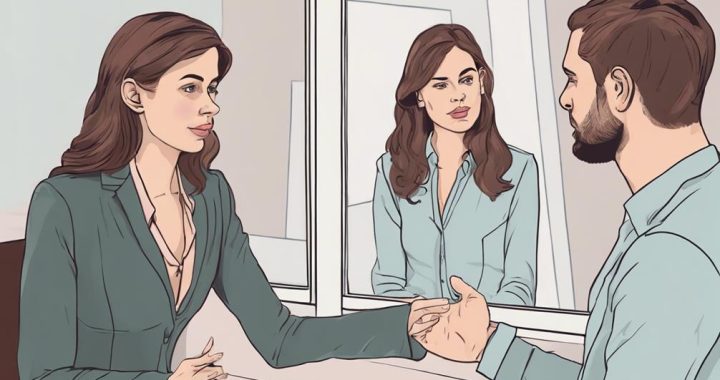
In transformation training, communication etiquette is crucial. It boosts understanding, nurtures a positive environment, and enhances relationships with trainers and peers. By fostering trust and collaboration, it shapes outcomes, accelerates progress, and creates a conducive growth space. It establishes respect, sets boundaries, and promotes teamwork. Etiquette also prevents conflicts, promotes clear interaction, and cultivates diverse perspectives. Furthermore, it increases confidence, assertiveness, and active participation. Implementing proper communication etiquette is key for successful training outcomes and a harmonious learning environment.

Benefits of Proper Communication Etiquette

effective communication in workplace

Proper communication etiquette in transformation training enhances understanding and fosters a positive learning environment. By maintaining respectful and clear communication, participants can cultivate improved relationships with both trainers and peers. This fosters a sense of trust and collaboration, essential for a successful transformation journey.

In the realm of professional development, adhering to communication etiquette standards can significantly impact one's growth. Effective communication skills are crucial in the workplace and beyond. By practicing proper communication etiquette during training sessions, individuals can hone their ability to articulate ideas, actively listen, and provide constructive feedback.

These skills aren't only beneficial during the training period but also carry over to real-world scenarios, enhancing one's overall communication competence.

Impact on Transformation Progress

How does adherence to communication etiquette standards influence the pace of transformation progress?

Effective communication etiquette plays a pivotal role in shaping the outcomes of transformation training. By overcoming communication barriers through proper etiquette training, individuals can enhance their understanding of key concepts, leading to more efficient collaboration and knowledge sharing. This, in turn, accelerates the pace at which transformation results are achieved.

Moreover, when participants in transformation programs adhere to communication etiquette standards, they contribute to a more conducive learning environment that fosters professional growth. Clear and respectful interactions established through etiquette training facilitate a smoother exchange of ideas and feedback, enabling individuals to address challenges effectively and drive transformation progress forward.

Establishing Respectful Interactions

promoting positive online interactions

By cultivating a culture of mutual respect, participants in transformation training programs lay the foundation for establishing meaningful and productive interactions. Respect is essential in fostering an environment where individuals feel valued and heard.

One key aspect of respectful interactions is establishing boundaries. Clear boundaries help define acceptable behaviors and ensure that all participants feel comfortable and safe during the training. By respecting each other's boundaries, individuals demonstrate an understanding of personal space and limits, promoting a harmonious atmosphere.

Furthermore, promoting teamwork is another crucial element in building respectful interactions. Encouraging collaboration and cooperation among participants fosters a sense of unity and shared goals. Teamwork involves active listening, valuing diverse perspectives, and working together towards common objectives.

When individuals work collaboratively, they learn to appreciate each other's strengths and contributions, leading to a more cohesive and respectful training environment. By emphasizing the importance of establishing boundaries and promoting teamwork, participants can create a culture of respect that enhances the overall transformation training experience.

Avoiding Misunderstandings and Conflict

To maintain a harmonious training environment, it's important to proactively address potential misunderstandings and conflicts that may arise among participants. Preventing miscommunication is key to reducing tension during transformation training sessions. Clear and direct communication can help in avoiding misunderstandings that may lead to conflict. Encouraging participants to ask for clarification when needed and ensuring that instructions are understood can go a long way in preventing miscommunication.

In group settings, it's essential to promote open dialogue and active listening to avoid conflicts. Emphasizing the importance of respect for differing opinions and constructive feedback can also contribute to reducing tension among participants.

Addressing conflicts promptly and professionally, while encouraging a solution-oriented approach, is vital in maintaining a positive training atmosphere.

Enhancing Confidence and Self-Expression

empowering through confidence and expression

Improving your communication skills can play a significant role in boosting your confidence and self-expression during transformation training sessions. By increasing assertiveness, you can effectively convey your thoughts and ideas, making your voice heard and your presence felt. Assertiveness is about expressing your needs while respecting others, creating a balanced environment for collaboration and growth.

Fostering collaboration within the training sessions allows for the exchange of diverse perspectives, leading to a richer learning experience. When you feel confident in expressing yourself, you're more likely to engage in discussions, ask questions, and contribute meaningfully to the training process.

This active participation not only benefits you but also enriches the overall training environment for everyone involved.

Conclusion

In conclusion, maintaining proper communication etiquette in transformation training is crucial for fostering respect, avoiding misunderstandings, and enhancing confidence.

By following guidelines for respectful interactions, you can create a positive and productive environment for personal growth and development.

Remember that clear and respectful communication is the key to successful transformation progress.

Stay mindful of your words and actions to ensure effective communication throughout your training journey.
importance of social skills

Why Are Social Skills Crucial in Sissy Etiquette Training?

Mastering social skills is crucial in sissy etiquette training. It fosters confidence and emotional intelligence, enabling you to navigate social interactions with grace and empathy. Social skills lay the foundation for building meaningful relationships and resolving conflicts effectively. Developing etiquette enhances self-awareness, respect for others, and personal growth. Effective communication techniques help sissies engage assertively, understand perspectives, and convey messages impactfully. By honing your social skills, you can boost confidence, handle situations with grace, and create meaningful connections. These skills empower you to navigate various social situations successfully and build rapport authentically.

Benefits of Social Skills in Training

importance of social skills

Developing strong social skills in sissy etiquette training is crucial for fostering confidence and poise in social interactions. By honing your emotional intelligence, you'll learn to navigate social situations with grace and empathy. This skill set allows you to understand and manage your emotions effectively, enhancing your ability to communicate and connect with others.

Moreover, improving your networking skills will empower you to build meaningful relationships that can open doors to new opportunities and experiences.

In sissy etiquette training, emphasis is also placed on relationship building. Cultivating strong relationships is essential for personal and professional growth. You'll learn how to establish rapport, maintain connections, and engage in healthy interactions.

Additionally, mastering conflict resolution techniques equips you with the tools to address disagreements constructively and maintain harmonious relationships. These skills not only enhance your social interactions but also contribute to your overall confidence and success in various aspects of life.

Importance of Etiquette Development

To excel in sissy etiquette training, honing your etiquette skills is paramount for navigating social interactions with finesse and professionalism. Etiquette development plays a crucial role in your personal growth as it cultivates a sense of self-awareness and respect for others. By refining your etiquette, you not only enhance your own image but also contribute positively to the social environment around you.

Improving your etiquette skills enables you to handle various social interactions gracefully, whether in formal settings or casual gatherings. Understanding the nuances of proper behavior and communication fosters smoother relationships and promotes a sense of harmony in your interactions with others. Etiquette development isn't just about following rules; it reflects your values, character, and consideration for those around you.

Through etiquette training, you can refine your social skills, boost your confidence, and leave a lasting impression on others. Embracing etiquette as a tool for personal growth empowers you to navigate diverse social situations with confidence and poise, ultimately enhancing your overall communication skills and social interactions.

Communication Techniques for Sissies

communication strategies for sensitive individuals

Mastering effective communication techniques is essential for sissies looking to navigate social interactions with confidence and finesse.

One valuable technique to enhance communication skills is engaging in role-playing exercises. By immersing yourself in simulated social scenarios, you can practice responding appropriately in various situations, thus building your communication capabilities.

Active listening is another crucial aspect of effective communication. Being an active listener involves not only hearing what someone is saying but also understanding their perspective and showing genuine interest in their words. To develop active listening skills, focus on maintaining eye contact, nodding to show understanding, and asking relevant questions to demonstrate your engagement.

Moreover, sissies can benefit greatly from honing their non-verbal communication skills. Paying attention to your body language, tone of voice, and facial expressions can significantly impact how your messages are received by others.

Building Confidence Through Social Skills

Enhancing your social skills can play a key role in boosting your confidence and navigating social interactions with ease. Building confidence through social skills involves developing a strong foundation in interpersonal relationships. By honing your communication abilities, active listening, and empathy, you can create meaningful connections with others, which in turn reinforces your self-assurance.

Confidence building in sissy etiquette training is about learning to express yourself authentically while respecting others' perspectives. It involves understanding non-verbal cues, maintaining eye contact, and using positive body language to convey confidence and openness. Strengthening your social skills enables you to engage in conversations assertively, contribute meaningfully to discussions, and handle social situations with grace.

Furthermore, cultivating interpersonal relationships through social skills fosters a sense of belonging and acceptance. By actively participating in group activities, initiating conversations, and showing genuine interest in others, you can establish rapport and build trust. This, in turn, boosts your confidence and helps you navigate social interactions more effectively.

Developing these skills not only enhances your etiquette training but also enriches your overall social experiences.

Navigating Social Situations Effectively

navigating social interactions skillfully

Developing strong social skills empowers you to navigate a variety of social situations effectively, fostering confidence and creating meaningful connections with others.

Understanding social cues is fundamental in successfully interacting with different individuals. Paying attention to non-verbal signals such as body language, facial expressions, and tone of voice can provide valuable insights into how others are feeling or what they might be thinking. By being attentive to these cues, you can adapt your communication style to better suit the situation at hand.

Effective navigation of social interactions also involves active listening. Engaging in conversations with genuine interest, asking questions, and showing empathy can go a long way in building rapport and establishing connections with those around you.

Furthermore, being mindful of social norms and etiquette can help you avoid misunderstandings and ensure smoother interactions in various settings.

Conclusion

In conclusion, the development of social skills is crucial in sissy etiquette training as it helps individuals navigate social situations effectively, build confidence, and improve communication techniques.

By honing these skills, sissies can enhance their overall etiquette and behavior, leading to a more polished and refined presence in various social settings.

Embracing the importance of social skills in training ultimately sets the foundation for success in both personal and professional interactions.

etiquette training for beginners

Refining Communication Skills With Etiquette Training for Beginners

Refine your communication skills with etiquette training for beginners. Enhance your professional presence and confidence in various settings by mastering social interactions. Nonverbal cues, like eye contact, play a crucial role in communication. Active listening and thoughtful responses build stronger relationships. Navigate social situations gracefully with cultural sensitivities in mind to avoid misunderstandings. Elevate your communication skills by polishing both verbal and nonverbal aspects. Understanding the importance of etiquette training is key to your success in professional and personal interactions.

The Importance of Etiquette Training

polite behavior is crucial

Etiquette training is essential for individuals looking to navigate social situations with grace and professionalism. By honing your etiquette skills, you not only increase your confidence in various social settings but also build stronger relationships with those around you.

Confidence plays a pivotal role in how you present yourself to others. Proper etiquette instills a sense of self-assurance, enabling you to interact with poise and assertiveness.

Furthermore, etiquette training aids in building relationships by fostering mutual respect and understanding. When you exhibit good manners and social graces, you convey respect for others, making them feel valued and appreciated. This, in turn, strengthens the bonds between individuals and cultivates a positive rapport.

Whether in the workplace or social gatherings, the ability to navigate interactions with finesse and consideration is crucial for establishing meaningful connections.

Mastering Nonverbal Communication

Mastering nonverbal communication is a key aspect of refining your social skills and enhancing your overall impact in various interactions. Body language plays a crucial role in how you're perceived by others. The way you carry yourself, your gestures, facial expressions, and posture all contribute to the message you convey.

Maintaining appropriate eye contact is essential in showing attentiveness and interest in the conversation. It signifies confidence and respect for the person you're engaging with.

Being mindful of your body language can help you avoid sending mixed signals or appearing disinterested. For instance, facing someone directly and leaning slightly towards them shows engagement, while crossing your arms may indicate defensiveness or detachment. Similarly, avoiding eye contact might give the impression of dishonesty or lack of confidence.

Enhancing Listening Skills

improving listening through practice

Improving your listening skills is essential for effective communication and building strong relationships. Active listening, a key component of effective communication, involves fully concentrating on what's being said, understanding the message, and responding thoughtfully.

To enhance your listening skills, engaging in communication exercises can be highly beneficial. One effective exercise is to practice reflective listening, where you paraphrase what the speaker said to ensure you understood correctly. Another valuable exercise is to focus on nonverbal cues, such as maintaining eye contact and nodding, to show the speaker that you're engaged and attentive.

Additionally, developing the habit of asking clarifying questions can help you grasp the speaker's message more accurately. By demonstrating empathy and understanding during conversations, you not only improve your listening skills but also strengthen your relationships.

Polishing Verbal Communication

To excel in interpersonal interactions, honing your verbal communication skills is key.

Active listening plays a significant role in polishing your verbal communication. When engaging in conversations, focus on truly understanding the speaker's message by giving them your full attention. Avoid interrupting and instead, show genuine interest through non-verbal cues like nodding and maintaining eye contact.

Effective feedback is another vital aspect of refining your verbal communication. Constructive feedback should be specific, timely, and focused on behaviors rather than personalities. When providing feedback, be clear, concise, and empathetic to ensure the message is well-received.

Remember, effective communication is a two-way street, where active listening and providing thoughtful feedback are essential components.

Navigating Social Interactions Gracefully

navigating social interactions seamlessly

Enhancing your social grace through mindful observation and thoughtful responses is essential for navigating social interactions smoothly. Paying attention to social cues can help you understand the unspoken dynamics of a conversation or social setting. Being attuned to non-verbal signals such as body language, tone of voice, and facial expressions can guide your responses and interactions with others.

To engage in graceful interactions, it's crucial to maintain a respectful and attentive demeanor. Show genuine interest in what others have to say, actively listen, and respond thoughtfully. Avoid interrupting or dominating conversations, and instead, allow space for others to express themselves. Additionally, be mindful of your own body language and tone to convey openness and receptivity.

Remember that graceful interactions aren't only about how you communicate but also about how you make others feel. By approaching social interactions with empathy, respect, and attentiveness, you can navigate various social situations with poise and tact.

Understanding Cultural Sensitivities

Developing a deep understanding of cultural sensitivities is fundamental for fostering respectful and inclusive interactions with individuals from diverse backgrounds. Cultural awareness plays a crucial role in navigating social customs and norms effectively. By recognizing and respecting the cultural differences of others, you demonstrate empathy and consideration, which are key components of successful communication.

Cultural awareness involves being attentive to various aspects such as language, gestures, dress codes, and traditions that differ among different cultures. It's essential to approach interactions with an open mind and a willingness to learn about other cultural practices. By doing so, you show respect towards others and create a welcoming environment for meaningful connections.

Social customs vary greatly across different cultures, and being aware of these differences can help you avoid unintentional misunderstandings or offenses. Embracing diversity and actively seeking to understand the cultural backgrounds of those around you won't only enhance your communication skills but also enrich your overall interactions with others.

Elevating Professional Communication

improving professional communication skills

Improving your professional communication skills is essential for establishing credibility and building strong relationships in the workplace. Networking strategies play a crucial role in enhancing your professional communication.

Actively engage with colleagues, attend industry events, and seek mentorship opportunities to expand your network. Remember, effective networking involves not only making connections but also nurturing them through regular communication and mutual support.

Email etiquette is another key aspect of professional communication. When composing emails, ensure your messages are clear, concise, and professional. Use proper salutations, maintain a professional tone, and proofread for any errors before hitting send.

Additionally, be mindful of your email's tone and refrain from using informal language or abbreviations that may be misinterpreted.

Conclusion

In conclusion, etiquette training for beginners serves as a valuable tool in refining communication skills. By mastering nonverbal cues, enhancing listening abilities, and polishing verbal communication, individuals can navigate social interactions gracefully and elevate their professional communication.

Understanding cultural sensitivities is also crucial in effectively communicating with others. Embracing etiquette training not only enhances one's communication skills, but also fosters respect and understanding in all interactions.

improving sissy communication etiquette

5 Best Tips for Sissy Communication and Manners

To excel in sissy communication and manners, prioritize politeness for constructive interactions. Master active listening to understand others profoundly. Ensure proper pronoun usage to affirm respect and identity. Cultivate graceful speech by maintaining an eloquent tone and vocabulary. Finally, hone social etiquette through confident body language and respectful gestures. This comprehensive approach will elevate your sissy communication to new heights.

Importance of Politeness

value of courteous communication

Why is politeness crucial in sissy communication and manners?

Kindness matters greatly in how we interact with others, especially in the sissy community. Treating others with respect always sets the foundation for meaningful and positive communication. Politeness is more than just using the right words; it's about showing consideration and empathy towards others. When engaging in sissy communication, being polite fosters a welcoming and inclusive environment where everyone feels valued and respected.

In sissy culture, politeness plays a significant role in building relationships and creating a sense of community. By being polite, you not only show respect for others but also demonstrate your own maturity and emotional intelligence. Kindness and respect go hand in hand, forming the basis of effective communication and harmonious interactions within the sissy community.

Whether online or in person, the way you communicate and display good manners reflects your character and values. Therefore, remember that in sissy communication, politeness is key to nurturing positive relationships and fostering a supportive environment.

Practicing Active Listening

Politeness in sissy communication not only involves speaking courteously but also emphasizes the importance of practicing active listening. When engaging in conversations, paying attention to nonverbal cues is crucial. Nonverbal cues such as eye contact, nodding, and body language can convey a lot about the speaker's feelings and thoughts.

Show assertiveness by actively participating in the conversation, asking relevant questions, and showing genuine interest. Additionally, practicing empathy is key to active listening. Put yourself in the speaker's shoes to understand their perspective and emotions better.

Reflecting on what they say and providing validation can strengthen your bond with them. Validating their feelings and experiences shows that you respect and acknowledge their thoughts.

Using Proper Pronouns

promoting correct pronoun usage

Using the correct pronouns is essential in sissy communication as it demonstrates respect and validates the individual's identity. When addressing someone, it's crucial to use the pronouns that align with their gender identity. Failing to do so can be hurtful and disrespectful.

Always ask for and use the pronouns that the individual prefers. This small gesture shows that you acknowledge and honor their gender identity.

Respectful communication involves actively listening to how others identify and addressing them accordingly. Misgendering someone, intentionally or unintentionally, can be harmful and invalidate their experience.

If you're unsure about which pronouns to use, it's acceptable to politely ask the individual. This shows that you care about getting it right and value their identity.

Developing Graceful Speech

When striving to develop graceful speech in sissy communication, remember that tone and vocabulary play a crucial role in conveying respect and courtesy.

Vocal confidence is key; speak clearly and with conviction. Utilize articulation techniques such as enunciating each word and maintaining a steady pace to enhance your speech's elegance.

Pay attention to nonverbal communication as well, as body language cues can complement your words. Maintain good posture, make eye contact, and use gestures thoughtfully to emphasize your points.

Remember, effective communication isn't just about what you say but also how you say it. Practice active listening to show you value the speaker's words, and respond thoughtfully.

Mastering Social Etiquette

perfecting social grace and manners

Master the art of social etiquette by observing and emulating refined behaviors and customs in various social settings. Body language plays a crucial role in how you're perceived by others. Maintain good posture, avoid slouching, and make sure your gestures are appropriate for the situation. A sissy should always be aware of their body language to convey confidence and grace.

Furthermore, eye contact is a fundamental aspect of social interactions. When engaging in conversations, maintain eye contact to show attentiveness and respect. However, be mindful not to stare excessively, as it may come across as intimidating. Finding the right balance in eye contact demonstrates your interest in the conversation without making others uncomfortable.

In mastering social etiquette, remember that polite behavior and good manners never go out of style. Offer genuine compliments, practice active listening, and always show appreciation towards others. By incorporating these subtle yet impactful gestures into your interactions, you'll exude elegance and sophistication in any social setting.

Conclusion

In conclusion, by following these 5 tips for sissy communication and manners, you'll be able to navigate social interactions with grace and respect.

Remember the importance of politeness, practice active listening, use proper pronouns, develop graceful speech, and master social etiquette.

These skills won't only enhance your communication abilities but also showcase your understanding and respect for others.

Keep these tips in mind and watch as your interactions become more positive and meaningful.

Polite Etiquette Tips for Sissification Training

To excel in sissification training, focus on etiquette basics like choosing outfits that align with your desired image and communicating openly. Maintain a demeanor of respect and courtesy, upholding core values of discipline. Use proper titles, address others kindly, and speak politely. Utilize respectful language that uplifts and empowers. Uphold social etiquette to foster a supportive environment for all participants. Mastering polite etiquette is key to embodying grace and respect. Maintaining decorum in public and private settings is crucial to creating a dignified experience. Showcased etiquette can enhance your sissification journey.

Etiquette Basics for Sissy Training

When engaging in sissy training, it's imperative to adhere to etiquette basics to cultivate a sense of refinement and respect in the process. Two key elements to focus on are the dress code and time management.

Firstly, paying attention to the dress code is essential. Dressing appropriately for the training sessions not only shows dedication but also reinforces the feminization process. Choose outfits that align with the desired sissy image, focusing on elegance and femininity. Wearing the right attire can help you embody the role more effectively and enhance the overall training experience.

Secondly, effective time management is crucial. Arriving promptly for sessions demonstrates commitment and respect for the training process. Punctuality is a sign of professionalism and shows that you value the time and effort put in by both yourself and your trainer.

Communication Etiquette for Sissies

Effective communication etiquette is essential for sissies undergoing training to ensure a respectful and productive interaction with their trainers and peers. Establishing clear communication boundaries is crucial in sissification training. It's important to express your thoughts, emotions, and concerns openly, while also respecting the boundaries set by your trainer.

Maintaining a balance between sharing and listening is key to fostering respectful interactions within the sissy community.

When engaging in conversations during sissification training, remember to be mindful of your tone and choice of words. Speak in a polite and considerate manner to convey your message effectively while upholding respect towards others. Active listening is equally important; show attentiveness and interest in what others have to say.

Politeness in Sissification Behavior

Maintaining a demeanor of courtesy and respect is paramount in sissification behavior, reflecting the core values of etiquette and discipline within the training process. Proper conduct is essential in all interactions, whether with trainers or fellow sissies, to create a harmonious and respectful environment. Manners training plays a crucial role in sissification, teaching you how to carry yourself with grace and poise in various situations that may arise during the training.

Remember to always address others with kindness and politeness, regardless of the circumstances. This includes using appropriate language, maintaining a respectful tone, and showing gratitude for guidance received. By embodying these principles, you not only demonstrate your commitment to the training but also cultivate a positive atmosphere for personal growth and development.

In sissification training, politeness goes beyond mere words; it reflects your understanding and application of the values instilled through the process. Embrace proper conduct and manners training as integral components of your journey towards sissy excellence.

Proper Addressing in Sissy Training

Addressing your trainers and peers with proper etiquette and respect is a fundamental aspect of sissy training, emphasizing the importance of upholding decorum and courtesy in all interactions.

When engaging in sissy training, it's essential to use proper titles to show respect and acknowledgment of hierarchy. Addressing trainers as 'Mistress,' 'Master,' 'Madam,' or 'Sir' demonstrates deference and recognition of their authority. Additionally, using appropriate gender expressions such as 'sissy,' 'maid,' or 'pet' reinforces the desired roles and dynamics within the training environment.

Furthermore, addressing your peers with respect is equally important. Referring to fellow sissies with their preferred gender pronouns and titles fosters a sense of camaraderie and mutual respect.

Respectful Language for Sissies

polite language for children

In sissy training, utilizing respectful language is paramount to embodying the desired roles and fostering a culture of dignity and mutual understanding among participants. Proper language usage is crucial in creating an environment where sissies feel respected and valued.

When addressing sissies, always opt for polite and affirming language that acknowledges their identity and journey. Refrain from using derogatory terms or language that may belittle or demean sissies. Instead, choose words that uplift and empower them in their exploration of sissification.

Respectful behavior goes hand in hand with respectful language. Treat sissies with kindness, compassion, and understanding. Remember that sissification training is a personal and sensitive process for many individuals, so approach conversations and interactions with care and consideration.

Always listen actively and attentively, showing empathy and support. By incorporating respectful language and behavior in sissy training, you create a safe and welcoming space for sissies to embrace their true selves and flourish in their journey of self-discovery.

Social Etiquette Tips for Sissification

When engaging in sissification training, it's essential to uphold social etiquette to ensure a respectful and harmonious environment for all participants. Public behavior plays a crucial role in sissification training. Remember to be mindful of your actions and how they may be perceived by others. Whether in public or private settings, maintaining a level of decorum and respect is key to fostering a positive experience for everyone involved.

Social interactions are at the core of sissification training. It's important to engage with others in a polite and respectful manner. Listen actively, show empathy, and be considerate of differing viewpoints. Treat others with kindness and understanding, creating a supportive atmosphere where everyone feels valued and respected.

In sissification training, social etiquette isn't just about following rules; it's about creating a sense of community and belonging. By practicing good public behavior and engaging positively in social interactions, you contribute to a welcoming and inclusive space for all participants.

Conclusion

In conclusion, mastering proper etiquette in sissification training is essential for creating a respectful and positive learning environment.

By focusing on communication, behavior, addressing, language, and social etiquette, sissies can enhance their training experience and demonstrate their commitment to the process.

Remember, politeness and respect are key components of successful sissification training, and by incorporating these etiquette tips, sissies can elevate their journey towards self-discovery and personal growth.

etiquette training for maids

Why Is Professional Etiquette Training Essential for Sissy Maids?

Professional etiquette training is vital for sissy maids to refine grace, professionalism, and effective communication skills necessary for success. It shapes your behavior, enhances performance, and instills proper conduct. Understanding social expectations and creating positive impressions are key. Building confidence and poise through achievable goals and positive self-talk is crucial. Mastering subtle cues, appearance, and posture all contribute to successful interactions. Navigating professional settings with confidence and grace leads to long-term success. A deeper dive into the importance of professional etiquette training awaits, offering valuable insights for your personal and professional growth.

Importance of Professional Etiquette Training

professional etiquette is vital

Professional etiquette training for sissy maids is essential to ensure they exude grace, poise, and professionalism in their roles. Etiquette development plays a crucial role in shaping the behavior and demeanor of sissy maids, allowing them to carry out their duties with finesse and sophistication. By honing professional behavior through training, sissy maids can navigate various situations with confidence and tact, enhancing their overall performance and reputation.

Through etiquette training, sissy maids learn the importance of proper conduct, communication, and presentation in a professional setting. This training instills valuable skills such as active listening, effective communication, and conflict resolution, enabling sissy maids to interact professionally with employers, colleagues, and clients.

Furthermore, by mastering professional etiquette, sissy maids can establish a positive image, build trust, and cultivate lasting relationships within their work environment.

Enhancing Communication Skills

To excel in your role as a sissy maid, sharpening your communication skills is paramount for effectively engaging with employers, colleagues, and clients.

Understanding non-verbal cues and practicing active listening are essential components of effective communication. Non-verbal cues such as body language, facial expressions, and tone of voice can convey a lot of information that words alone may not express. By being attentive to these cues, you can better understand the needs and expectations of those you interact with, leading to more successful outcomes in your professional interactions.

Furthermore, conflict resolution and assertiveness training are crucial aspects of enhancing your communication skills. Learning how to navigate conflicts diplomatically and assertively expressing your thoughts and opinions can help you handle challenging situations with grace and professionalism.

Building Confidence and Poise

developing self assurance and grace

Enhancing your confidence and poise is essential for projecting professionalism and competence as a sissy maid in various professional settings. Confidence building involves believing in your abilities and skills, allowing you to tackle tasks with assurance and self-assurance.

As a sissy maid, developing poise is equally crucial; it involves maintaining a graceful and composed demeanor, even in challenging situations.

To build confidence, start by setting achievable goals and celebrating your accomplishments, no matter how small. Practice positive self-talk and focus on your strengths. Additionally, seek feedback from mentors or trainers to identify areas for improvement and growth.

Poise development can be enhanced through practicing good posture, maintaining eye contact, and speaking clearly and eloquently.

Understanding Social Expectations

Understanding social expectations as a sissy maid involves recognizing and adapting to the norms and behaviors expected in various social interactions. Social norms dictate the acceptable behaviors, beliefs, and attitudes within a society or group. As a sissy maid, it's crucial to understand these social norms to navigate social situations effectively.

Behavioral expectations encompass how one should act, speak, and present themselves in different settings. For sissy maids, this means adhering to standards of politeness, respect, and obedience to authority figures. By internalizing these behavioral expectations, sissy maids can ensure they conduct themselves appropriately in formal and informal social settings.

Understanding the nuances of social expectations enables sissy maids to interact with confidence and grace, reflecting positively on themselves and their training. Embracing these social norms and behavioral expectations not only enhances the sissy maid's professional image but also fosters harmonious relationships within social circles.

Creating Positive Impressions

crafting lasting positive impressions

Crafting favorable perceptions involves mastering subtle cues and deliberate actions to leave a lasting positive impact. When it comes to first impressions, being attentive to your appearance and grooming is crucial. Ensure your uniform is crisp and clean, paying attention to details like properly fastened buttons and polished shoes. Additionally, maintaining good posture exudes confidence and professionalism, signaling respect for yourself and others.

During social interactions, active listening is paramount. Engage with others by making eye contact, nodding in understanding, and asking thoughtful questions. This demonstrates your interest in the conversation and respect for the speaker. Furthermore, using polite language and a friendly tone helps in building rapport and creating a welcoming atmosphere.

Navigating Professional Settings

Properly navigating professional settings requires keen observation and adaptability to various social cues and expectations. Understanding workplace dynamics is crucial for success, as it allows you to comprehend hierarchies, communication styles, and office politics.

Networking opportunities often arise in professional settings, providing chances to connect with colleagues and advance your career. Developing strong personal branding is essential for leaving a lasting impression; this involves showcasing your unique skills and qualities while maintaining professionalism.

Self-awareness is key in navigating professional environments. Being cognizant of your strengths, weaknesses, and how others perceive you can help you tailor your interactions effectively. Paying attention to non-verbal cues, such as body language and tone of voice, is also vital in understanding the unspoken dynamics at play.

Sustaining Long-Term Success

strategies for business growth

To maintain long-term success in your professional endeavors, consistently honing your skills and adapting to industry trends is imperative. Personal growth plays a crucial role in sustaining your career advancement as a sissy maid. As you progress in your role, it's essential to continuously seek opportunities for learning and development.

Embrace challenges as chances to grow and expand your skill set. Engaging in ongoing training programs, workshops, and seminars won't only enhance your expertise but also demonstrate your commitment to excellence.

Furthermore, staying abreast of the latest trends in the sissy maid industry is vital for long-term success. Keep yourself informed about emerging technologies, best practices, and changing demands within the field. By remaining adaptable and open to new ideas, you position yourself as a valuable asset in your profession.

Conclusion

In conclusion, professional etiquette training is essential for sissy maids to excel in their roles. It helps enhance communication skills, build confidence and poise, understand social expectations, create positive impressions, navigate professional settings, and sustain long-term success.

By mastering these important skills, sissy maids can effectively carry out their duties with grace and professionalism. This ultimately leads to a successful and fulfilling career in their chosen field.

effective communication in training

10 Tips for Proper Communication in Transformation Training

Enhance your transformation training with crucial communication tips. Clear goals set expectations and foster accountability. Respect others with a positive tone for a safe, open environment. Listen actively, watch for cues, and reflect understanding. Give feedback balancing criticism and positivity. Show empathy, validate feelings, and encourage dialogue. Build trust through honesty, inclusivity, and confidentiality. Remember to seek consent, maintain privacy, and handle information sensitively. Communicate data usage clearly and prioritize confidentiality. Master these tips to elevate engagement and create an empathetic learning atmosphere that supports growth and understanding.

Establish Clear Expectations

set guidelines for success

To kick off your transformation training successfully, ensure you clearly outline the expectations for all participants. Setting clear goals from the start will provide a roadmap for everyone involved. Encourage participants to be accountable for their progress by regularly checking in on their individual objectives. Transparency is key in transformation training. Be open about the program's purpose, what's expected from each participant, and how progress will be measured.

Consistency is crucial for maintaining momentum throughout the training. Make sure that expectations are consistently communicated to all participants. Regular reminders and updates can help reinforce the goals and keep everyone on track. Consistent feedback and support will also be essential in helping participants stay motivated and focused on their objectives.

Use Respectful Language

Maintain a respectful tone and demeanor when communicating with participants in transformation training to foster a positive and collaborative learning environment. Respectful communication is essential in creating a safe space where individuals feel valued and motivated to engage in the training process.

Using positive reinforcement can further enhance this atmosphere by acknowledging the efforts and progress of participants. When providing feedback or guidance, remember to frame your words in a way that uplifts and encourages. Instead of using harsh or negative language, opt for constructive criticism that focuses on growth and improvement.

For example, instead of saying, 'You're doing that wrong,' you could say, 'Great effort! Let's try approaching it this way for even better results.'

Active Listening Techniques

effective communication through listening

Using active listening techniques is essential for effective communication in transformation training sessions. Reflective listening plays a crucial role in ensuring that you understand the speaker's message accurately. When practicing reflective listening, try paraphrasing what the speaker said to demonstrate your understanding. This shows respect and helps clarify any potential misunderstandings.

Additionally, pay attention to nonverbal cues such as facial expressions, body language, and tone of voice. These cues provide valuable insights into the speaker's emotions and can guide your responses accordingly.

To enhance your active listening skills further, maintain eye contact to show your attentiveness and interest. Nodding occasionally and using verbal affirmations like 'I see' or 'I understand' can also encourage the speaker to open up and share more.

Provide Constructive Feedback

Enhancing your communication skills in transformation training involves providing constructive feedback that fosters growth and development in both yourself and others. Feedback techniques play a crucial role in facilitating learning and improvement.

When giving feedback, remember to balance constructive criticism with positive reinforcement. This helps create a supportive environment where individuals feel motivated to make positive changes.

Communication styles greatly impact how feedback is received. When offering constructive criticism, it's essential to be clear, specific, and empathetic. Constructive feedback should focus on behaviors or actions rather than personal traits to ensure that it's well-received and leads to productive outcomes.

Additionally, active listening during feedback sessions demonstrates respect and understanding, encouraging open dialogue and collaboration.

Practice Empathy and Understanding

understanding through empathy is key

To truly connect and support others in their growth journey, practicing empathy and understanding is essential in communication during transformation training.

Empathy exercises and understanding activities can aid in fostering a supportive environment where individuals feel heard and valued. Start by actively listening to others without judgment, allowing them to express their thoughts and feelings openly. Put yourself in their shoes to comprehend their perspective better. Validate their emotions by acknowledging their experiences and showing compassion towards their challenges.

Engage in role-playing scenarios to practice responding with empathy in different situations that may arise during transformation training. This can help you understand varying viewpoints and respond appropriately with empathy and understanding.

Encourage open discussions where individuals feel comfortable sharing their concerns and insights, creating a space for mutual respect and empathy to flourish. By consistently practicing empathy and understanding in your communication, you can cultivate a positive and supportive atmosphere that enhances the transformation journey for all participants.

Encourage Open Dialogue

Encourage participants to share their thoughts and feelings openly to foster a culture of open dialogue during transformation training. Honest conversations are the cornerstone of effective communication. By creating an environment where vulnerability in discussions is embraced, individuals can express themselves authentically.

Transparent communication plays a vital role in building trust among participants, allowing for meaningful connections to form.

When encouraging open dialogue, remind participants that their perspectives are valued and respected. Encourage them to voice their opinions, ask questions, and engage in active listening. This practice not only enhances understanding but also promotes a sense of inclusivity within the group.

Emphasize the importance of honesty in exchanges, as it paves the way for genuine interactions and deeper connections.

Set Boundaries and Limits

establishing personal space

Establish clear boundaries and limits to ensure a structured and respectful environment throughout the transformation training process. Personal boundaries are crucial in maintaining a healthy dynamic between trainers and trainees. It's essential to communicate what's acceptable and unacceptable in terms of behavior, language, and interaction.

Encouraging participants to respect each other's personal boundaries fosters a sense of safety and trust within the training space. Additionally, setting professional limits is equally important. Clearly outline the scope of the training, what topics will be covered, and what issues are beyond the training's purview.

This helps manage expectations and prevents any misunderstandings during the program. Emphasize the importance of maintaining a professional demeanor and refraining from crossing professional boundaries.

Foster a Safe Environment

Creating a safe environment is foundational for effective communication and growth during transformation training. Trust building is crucial in fostering this safe space where individuals feel comfortable expressing themselves openly. Encourage participants to share their thoughts, feelings, and experiences without fear of judgment. By actively listening and validating their emotions, you can establish a foundation of trust that encourages vulnerability sharing.

To build trust, be genuine, empathetic, and responsive to the needs of each individual. Acknowledge their perspectives and show understanding towards their struggles. Creating a supportive atmosphere where everyone feels respected and valued will enhance communication and foster a sense of community within the training program.

Moreover, vulnerability sharing plays a significant role in personal growth and development. Encourage participants to open up about their challenges, fears, and aspirations. By creating a non-judgmental environment, individuals can feel empowered to be authentic and explore their emotions freely.

Maintain Confidentiality

protect sensitive information always

To maintain confidentiality in transformation training, prioritize safeguarding the personal information shared by participants. Confidentiality is of utmost importance in building trust within the training environment. Participants must feel secure that what they share will be kept private, creating a safe space for open communication and growth.

Respecting confidentiality not only fosters trust but also shows participants that their privacy is valued. It allows individuals to express themselves without fear of judgment or breach of trust. By upholding confidentiality, you demonstrate integrity and professionalism, enhancing the overall training experience.

Seek Consent and Respect Privacy

Ensure that before gathering any personal information, you seek explicit consent and respect the privacy of participants in transformation training. Establishing clear consent boundaries is essential to creating a safe and trusting environment for everyone involved.

Always communicate the purpose of collecting any personal data and ensure that participants understand how their information will be used and stored.

Respecting privacy is crucial in transformation training to uphold the confidentiality and trust of each individual. Safeguarding personal information and maintaining privacy standards demonstrate your commitment to creating a respectful and ethical training environment.

Remember that participants may have sensitive experiences or emotions they're sharing, and it's vital to handle this information with care and discretion.

Conclusion

In conclusion, follow these 10 tips for effective communication in transformation training.

By establishing clear expectations, using respectful language, and practicing active listening, you can create a safe and supportive environment for growth and learning.

Remember to provide constructive feedback, show empathy, and respect boundaries.

By fostering open communication, you can help individuals reach their full potential and achieve their goals in their transformation journey.

So, keep these tips in mind and communicate effectively for successful training outcomes.

sissy etiquette training benefits

What Role Does Sissy Etiquette Training Play in Social Skills Development?

Engaging in sissy etiquette training significantly enhances your social skills by refining interpersonal interactions and deepening your understanding of societal norms. This type of training helps you develop strong communication skills, build confidence, and cultivate empathy and respect. By mastering sissy etiquette, you not only improve your social interactions but also navigate social settings with grace and sensitivity. Embracing this training empowers you to navigate diverse social situations confidently and showcases your cultural intelligence. Embrace sissy etiquette training as a stepping stone towards developing a more nuanced and polished social skills toolkit.

Importance of Communication Skills

communication skills are crucial

Developing strong communication skills is crucial for successful participation in sissy etiquette training. Active listening plays a pivotal role in honing these skills, allowing you to fully engage with others and understand their perspectives. By actively listening, you demonstrate respect and empathy, which are essential traits in etiquette training.

Furthermore, public speaking is another key aspect of communication that's emphasized in sissy etiquette training. Through public speaking exercises, you can learn to articulate your thoughts clearly and confidently in front of others. This skill not only enhances your ability to express yourself effectively but also boosts your self-assurance in social situations.

Incorporating active listening and public speaking into your communication repertoire won't only benefit you during sissy etiquette training but will also serve you well in various aspects of your life. These skills are invaluable in building strong relationships, fostering understanding, and projecting confidence in any social setting.

Building Confidence and Poise

To exude elegance and command attention in sissy etiquette training, cultivating confidence and poise is paramount. Self-expression plays a significant role in building confidence, allowing individuals to embrace their true selves without fear of judgment. Through sissy etiquette training, you can learn to communicate your uniqueness confidently, enhancing your self-assurance and presence in any social setting.

Body language is another crucial aspect of projecting confidence and poise. Mastering the art of posture, gestures, and facial expressions can greatly impact how others perceive you. By understanding how to use body language effectively, you can convey assertiveness and grace, leaving a lasting impression on those around you.

Moreover, sissy etiquette training often involves opportunities to practice public speaking and networking. These experiences provide valuable chances to refine your communication skills, engage with diverse audiences, and build meaningful connections. Embracing these challenges with confidence and poise can lead to personal growth and increased self-assurance in various social interactions.

Enhancing Interpersonal Relationships

strengthening social bonds together

Enhancing interpersonal relationships is crucial in sissy etiquette training as it fosters a deeper understanding of social dynamics and promotes meaningful connections. Developing emotional intelligence through these interactions allows sissies to navigate social situations with grace and empathy, enhancing the quality of their relationships.

By honing networking skills within the framework of etiquette training, sissies can expand their social circles and create opportunities for personal and professional growth. Peer interactions provide a valuable platform for sissies to practice the principles of etiquette, such as active listening and respectful communication, which are essential for building strong, lasting connections.

These interactions not only contribute to a sissy's social well-being but also offer a platform to learn from others and broaden their perspectives. Ultimately, mastering the art of enhancing interpersonal relationships through sissy etiquette training equips individuals with the tools to navigate the complexities of social interactions with confidence and poise.

Understanding Social Norms

Understanding social norms is foundational in sissy etiquette training as it lays the groundwork for navigating societal expectations with finesse and cultural competence. Cultural expectations form the basis of social norms, guiding individuals on appropriate behaviors, interactions, and expressions within a specific society.

By grasping these norms, individuals undergoing sissy etiquette training can effectively interpret social cues, such as body language, verbal cues, and societal customs, to engage in meaningful and respectful interactions.

Sissy etiquette training emphasizes the importance of understanding and adhering to cultural expectations to cultivate a sense of awareness and adaptability in diverse social settings. By recognizing and respecting social norms, individuals can build stronger connections, demonstrate empathy, and foster positive relationships within their communities.

Mastery of social norms not only enhances one's social skills but also showcases a deep appreciation for different cultures and traditions, reflecting a high level of cultural intelligence and respect for others.

Developing Empathy and Respect

empathy and respect cultivation

Cultivating empathy and respect is a pivotal aspect of sissy etiquette training, nurturing a profound understanding of others' perspectives and fostering harmonious relationships. Through empathy exercises, individuals are encouraged to step into the shoes of others, gaining insight into their feelings and experiences. This practice not only enhances emotional intelligence but also cultivates a deep sense of compassion and consideration for others' emotions and struggles.

Respectful behavior is another cornerstone of sissy etiquette training, emphasizing the importance of treating everyone with kindness and dignity. This includes active listening, offering support, and showing appreciation for diversity. By practicing respectful behavior consistently, individuals learn to navigate social interactions with grace and sensitivity, creating a positive and inclusive environment for all.

In essence, developing empathy and respect through sissy etiquette training isn't just about following rules; it's about fostering genuine connections and building a community based on understanding and mutual respect. These foundational skills not only enhance personal relationships but also contribute to a more harmonious and empathetic society.

Conclusion

In conclusion, sissy etiquette training plays a crucial role in social skills development. It emphasizes the importance of communication, confidence, interpersonal relationships, social norms, empathy, and respect. Through these teachings, individuals can navigate social situations with grace and poise, leading to stronger connections and a deeper understanding of societal expectations.

By incorporating sissy etiquette training into personal development, one can cultivate essential skills vital for success in both personal and professional relationships.

communication in sissy training

Why Is Communication Finesse Key in Sissy Feminization?

Improving your communication finesse is vital in sissy feminization. Polite language fosters respect and inclusivity. Nonverbal cues like body language enhance femininity. Active listening builds trust and deeper connections. Assertiveness empowers you to express needs clearly. Through role-playing scenarios, you can practice and navigate communication challenges. Feedback refines your skills for effective expression. Mastering these aspects of communication not only aids in embracing sissy feminization but also promotes understanding and confidence in your interactions.

Importance of Polite Language

politeness in communication essential

Using polite language is crucial when engaging in sissy feminization practices to ensure respect and dignity are maintained throughout the process. It's imperative to adopt a polite tone and use respectful language during all interactions to create a safe and inclusive environment.

Politeness sets the foundation for effective communication and fosters a sense of trust between all parties involved. By maintaining a polite tone, you demonstrate your commitment to treating others with kindness and empathy.

Respectful language not only shows consideration for the feelings of others but also promotes a sense of mutual understanding and cooperation. When engaging in sissy feminization practices, using polite and respectful language can help alleviate any potential discomfort or anxiety that may arise.

Nonverbal Communication Techniques

Effective nonverbal communication techniques play a crucial role in sissy feminization practices by conveying subtle cues and enhancing the overall experience. When engaging in sissy feminization, paying attention to body language is key. Your body language can communicate femininity through gestures, posture, and movements.

Ensure your gestures are delicate and graceful, emphasizing femininity in your movements. Additionally, maintaining appropriate eye contact is essential. Eye contact can convey confidence and submission, depending on the situation, contributing significantly to the overall dynamic.

When practicing sissy feminization, softly meeting the eyes of your partner or Domme can show respect and attentiveness to their guidance. Conversely, averting your gaze slightly can showcase shyness or submission, enhancing the power dynamics at play.

Active Listening Skills

active listening in conversation

To enhance your sissy feminization journey, mastering active listening skills is crucial for building trust and fostering deeper connections with your partner or Domme. Active listening goes beyond just hearing words; it involves truly understanding and empathizing with what's being communicated.

One essential aspect of active listening is providing empathetic responses. This means showing that you understand and care about the feelings and experiences shared with you. Mirroring is another powerful technique in active listening, where you reflect back the emotions and content of what your partner is expressing, demonstrating that you're fully engaged in the conversation.

Questioning techniques are also vital in active listening. By asking thoughtful and open-ended questions, you can encourage your partner to elaborate on their thoughts and feelings, leading to more profound discussions and insights. Summarizing what you have heard can help clarify any misunderstandings and show your partner that you value their words.

Assertiveness Training for Sissies

Mastering assertiveness training techniques can empower sissies to confidently express their needs and boundaries in a respectful and self-assured manner, enhancing their overall communication finesse in sissy feminization. Assertiveness techniques play a crucial role in helping sissies navigate societal expectations and communicate effectively.

Role-playing exercises are a valuable tool in assertiveness training for sissies. By practicing different scenarios in a safe environment, sissies can build their confidence in expressing themselves assertively.

During role-playing exercises, sissies can learn how to use 'I' statements to communicate their feelings and needs clearly without coming across as aggressive or submissive. These exercises also help sissies understand the importance of body language, tone of voice, and active listening in assertive communication.

Role-Playing Scenarios for Practice

interactive training for professionals

Incorporating role-playing scenarios into assertiveness training for sissies allows for practical application of communication techniques in a safe and supportive environment. Role-playing exercises provide a structured way for sissies to navigate various communication challenges they may encounter in their journey towards feminization.

These scenarios offer a hands-on approach to practicing effective communication strategies, such as using assertive language, maintaining eye contact, and setting boundaries.

Through role-playing, sissies can actively engage in simulated conversations that mimic real-life interactions, allowing them to experiment with different responses and approaches. This hands-on practice helps sissies build confidence in expressing their thoughts and feelings in a clear and assertive manner.

Feedback and Communication Improvement

Effective feedback plays a crucial role in enhancing communication skills and fostering continuous improvement in sissy feminization training.

When providing feedback during sissy feminization sessions, paying attention to body language is essential. Non-verbal cues can convey as much information as words, so being mindful of your gestures, posture, and facial expressions can help create a supportive and understanding environment.

Additionally, tone control is paramount in feedback delivery. The way you speak can significantly impact the message you're trying to convey. Maintaining a calm and encouraging tone can make the feedback more constructive and easier to digest for the individual undergoing feminization training.

It's important to strike a balance between being firm and nurturing in your feedback to promote growth and development effectively.

Conclusion

In conclusion, mastering communication finesse is essential in sissy feminization as it allows for effective expression of desires, boundaries, and needs.

Polite language, nonverbal techniques, active listening, assertiveness training, role-playing, and feedback all play a crucial role in honing these skills.

By practicing and improving communication, sissies can navigate their feminization journey with confidence, clarity, and respect for themselves and others.

Polishing Your Sissy Roleplay Etiquette: A Guide

Mastering sissy roleplay etiquette means focusing on communication, respect, and immersion. Understand and respect boundaries to create a positive dynamic. Communicate openly, setting clear guidelines for comfort levels and desires. Use proper pronouns and titles, respecting your partner's preferences. Embrace feedback for growth, and navigate scenarios with consent and negotiation in mind. Trust and vulnerability are crucial for authentic interactions that foster intimacy. By polishing your etiquette, you'll enhance your roleplay experience in a respectful and fulfilling way.

Understanding Roleplay Boundaries

setting roleplay boundaries respectfully

To ensure a positive and respectful experience in sissy roleplay, it's essential to understand and respect each other's roleplay boundaries. Establishing boundaries is crucial in creating a safe and enjoyable environment for all participants.

When engaging in sissy roleplay, it's important to communicate openly about your limits and expectations. Respecting limits means acknowledging and honoring the boundaries set by yourself and your roleplay partner.

Remember, everyone has different comfort levels and boundaries when it comes to sissy roleplay. It's essential to listen actively and empathetically to your partner's needs and desires.

If there are certain aspects of the roleplay that make you uncomfortable, express this openly and respectfully. Likewise, be attentive to your partner's cues and reactions to ensure that you both stay within the agreed-upon boundaries.

Setting Clear Communication Guidelines

Effective communication is key to establishing clear guidelines in sissy roleplay interactions. When engaging in sissy roleplay, it's crucial to have open and honest discussions about boundaries and expectations. Clearly communicate your limits, desires, and comfort levels with your roleplay partner. This can help ensure that both parties are on the same page and can fully enjoy the experience without overstepping any boundaries.

Establishing boundaries is an essential part of setting clear communication guidelines. Make sure to discuss what's acceptable and what's off-limits during your roleplay sessions. This can help create a safe and respectful environment where both participants feel valued and understood.

Remember that effective communication involves active listening as well. Be attentive to your partner's needs and concerns, and encourage them to express themselves openly. By fostering a communication style that's open, respectful, and understanding, you can enhance the quality of your sissy roleplay interactions.

Proper Addressing and Pronouns

respectful communication and identity

When engaging in sissy roleplay, it's important to address your partner using the proper pronouns and titles to foster a respectful and authentic experience. Respectful communication is key in ensuring that both partners feel comfortable and valued during the roleplay scenario.

Always inquire about your partner's preferred pronouns and how they wish to be addressed. This simple act shows that you respect their identity and sets a positive tone for the interaction.

Following etiquette guidelines for proper addressing is crucial. Use titles and pronouns that align with your partner's desires, whether it be 'Miss,' 'Mistress,' or any other preferred term. Addressing your partner correctly not only enhances the immersive experience but also demonstrates your attentiveness and commitment to the roleplay dynamic.

Handling Feedback and Corrections

Handling feedback and corrections in sissy roleplay can enhance the experience by promoting open communication and mutual understanding. Receiving criticism is a valuable part of growth within this roleplay dynamic. When given feedback, it's essential to approach it with an open mind and a willingness to improve. Remember, corrections aren't an attack on your abilities but rather an opportunity to refine your skills and make the experience more enjoyable for everyone involved.

Improving skills in sissy roleplay often requires taking constructive criticism in stride. It can be challenging to receive feedback, especially when you're emotionally invested in the roleplay scenario. However, viewing corrections as a means to enhance your performance can lead to personal growth and a deeper connection with your roleplay partners.

Being open to feedback and corrections not only benefits your individual development but also strengthens the overall roleplay experience. Embrace the opportunity to learn and grow, and remember that constructive criticism is a pathway to becoming a more skilled and empathetic participant in sissy roleplay scenarios.

Navigating Roleplay Scenarios

Navigating different roleplay scenarios in sissy roleplay can involve adapting to diverse dynamics and exploring various themes to enrich your overall experience. Roleplay dynamics play a crucial role in setting the tone, power dynamics, and interactions within a scene. Understanding the nuances of these dynamics can help you immerse yourself more deeply in the role you're playing.

Scene negotiation is another essential aspect of navigating roleplay scenarios. Clearly communicating your boundaries, preferences, and desires before engaging in a scene can ensure that all participants are on the same page and comfortable with the direction the roleplay will take.

It's important to remember that consent is paramount in any roleplay scenario, and open communication is key to creating a safe and enjoyable experience for everyone involved.

Embracing Vulnerability and Trust

To enhance your sissy roleplay experience, it's essential to embrace vulnerability and trust as fundamental elements in creating authentic and fulfilling interactions. Building intimacy and fostering connection are key aspects of engaging in meaningful roleplay scenarios.

When you allow yourself to be vulnerable within the safe boundaries of your roleplay, you open the door for deeper emotional connections and a more immersive experience.

Trust plays a vital role in sissy roleplay, as it forms the foundation for authentic interactions. By trusting your partner and the established boundaries, you can let go of inhibitions and fully immerse yourself in the roleplay experience.

This mutual trust creates a space where both participants can explore their desires and fantasies openly and without judgment.

Practicing Consistent Etiquette

maintaining polite behavior always

Embodying respect and courtesy in your interactions is key to maintaining a harmonious and enjoyable sissy roleplay dynamic. Consistent etiquette is vital for fostering a safe and respectful environment where all participants feel valued and understood.

When engaging in roleplay dynamics, remember to communicate openly and honestly with your partner(s). Be mindful of boundaries and always seek enthusiastic consent before delving into roleplay scenarios.

Consistency in etiquette involves being reliable and considerate in your interactions. Respond promptly to messages, show up for scheduled sessions, and follow through on commitments made during roleplay scenes. Consistency builds trust and enhances the overall roleplay experience for everyone involved.

Incorporating etiquette into your sissy roleplay not only demonstrates your commitment to the dynamic but also sets a positive example for others. By practicing consistent etiquette, you contribute to creating a welcoming and inclusive space where everyone can explore their desires and fantasies freely.

Conclusion

Remember, taking on a sissy roleplay involves respect, communication, and consent.

By understanding boundaries, setting guidelines, and embracing vulnerability, you can create a safe and enjoyable experience for all involved.

Remember to address others respectfully, handle feedback graciously, and navigate scenarios with care.

Consistent etiquette is key in maintaining a positive and fulfilling roleplay experience.

Keep these tips in mind as you continue to explore and enjoy your sissy roleplay adventures.