Mtf Hrt Timeline

The mtf hrt timeline is a core feminization concept that many people ask about when considering a medical or social transition. Understanding typical timeframes, the order of expected changes, and how individual factors influence progress helps set realistic expectations. Whether you are researching how to transition, planning an mtf transformation, or supporting someone through a transsexual transition mtf, this overview covers common stages, medical transition steps, and what a typical mtf transition timeline might look like.

What the mtf hrt timeline usually refers to

When people talk about an mtf hrt timeline they usually mean the expected physical and emotional changes that occur after starting feminizing hormones. A timeline can include early hormone effects, breast development, skin and fat redistribution, and changes in libido and mood. It may also detail when people pursue additional interventions such as electrolysis, voice therapy, or surgeries. A mtf hrt timeline chart is a visual way to map these stages, showing typical milestones at 1–3 months, 3–6 months, 6–12 months, and beyond, though individual experiences vary widely.

Early weeks to first few months: immediate effects and adjustment

In the first month to three months after starting estrogen and anti-androgens, many report changes in mood, energy levels, and libido. Skin may become softer and oil production can decrease, leading to fewer acne outbreaks for some. Small amounts of breast budding are common in the first three months, and some people notice emotional shifts as hormones rebalance. These early changes are part of the medical transition, but they are variable: age, genetics, and prior testosterone exposure influence how quickly visible feminization appears. Anyone asking how long does it take to transition male to female should remember that the first months are primarily about adjustment and monitoring by a healthcare provider.

Six to twelve months: visible feminization and functional changes

Between six and twelve months, many individuals see more noticeable feminization transformation. Breast growth typically progresses during this time, though fullness varies and may plateau after 1–2 years. Fat redistribution to the hips and thighs and a reduction in muscle mass and strength are common. Facial changes are subtle, since hormones do not reverse bone structure, but skin texture, reduced facial oil, and softer features can cumulatively create a more feminine appearance. Vocal pitch does not reliably change with hormones, so many pursue voice training as part of their transgender transformation. For people planning an mtf timeline that includes surgery, this period is often when they begin consultations for breast augmentation or facial feminization if desired.

One to three years: consolidation and long-term outcomes

By one to three years, many of the effects of feminizing hormones are established. Breast development typically reaches a more permanent stage, and body fat distribution may resemble that of cisgender women more closely. Some features, such as reduced body hair, continue to improve with time, though hair removal is often necessary for those seeking extensive facial feminization. Fertility considerations become important as the medical transition can reduce or eliminate reproductive capability; people who want to preserve sperm should discuss options early. This stage is also when people often evaluate remaining steps in a male to female transition timeline, such as genital surgery, voice work, or further cosmetic procedures, depending on personal goals.

Factors that alter any mtf transition timeline

There is no single mtf transition timeline that fits everyone. Age at the start of hormones, genetic factors, the hormone regimen and dosages used, overall health, and concurrent treatments all affect results. Social and legal transition steps — changing name and gender markers, updating identity documents, and navigating relationships at work or at home — follow their own timelines that may overlap with medical changes. Access to care and insurance coverage can accelerate or delay procedures. For those wondering how to become transgender or how to be transgender in practical terms, the process combines emotional preparation, medical steps, and social adjustments in a personalized sequence.

Charts, planning, and realistic expectations

Some people find an mtf transition timeline chart helpful for planning. A good chart outlines rough time windows for common changes, suggests when to schedule medical appointments, and shows how social and legal steps often interweave with medical transition. It is important that charts emphasize variability: the tg timeline for one person may look very different from another. Transition steps are best discussed with medical professionals and mental health providers experienced in transgender care so that expectations are realistic and health considerations are prioritized. Resources and support networks also play a key role in successful transitioning to a woman.

In summary, the mtf hrt timeline provides a framework for understanding core feminization concepts, from early hormonal effects to long-term changes and surgical choices. Whether your goal is a full male to female transition timeline, a gradual feminization transformation, or simply learning how to transition from male to female, remember that individual timelines vary. Consulting knowledgeable healthcare providers, connecting with community support, and planning for legal and social changes will help you navigate the transitioning journey with clearer expectations and better outcomes.

Female Body Gestures

Female body gestures play a powerful role in how feminine identity is perceived and expressed, whether through everyday interactions or intentional presentation like cross dressing. Understanding the subtle ways posture, movement, and expression communicate intent helps anyone exploring feminine expression to feel more authentic and confident. This article examines the key elements of female body gestures, how they interact with feminine body posture and female body language, and how to practice these cues with respect for cultural context and personal comfort.

What we mean by female body gestures

When people refer to female body gestures they are talking about a cluster of nonverbal signals commonly associated with women’s communication styles. These include facial microexpressions, the tilt of the head, placement of the hands, and broader patterns such as the way weight shifts or how space is occupied. The body language of women is not a fixed code; it varies with personality, upbringing, and context. Still, recognizing general patterns can be useful for those learning to convey femininity, whether for performance, social integration, or personal exploration.

Key aspects of feminine body posture

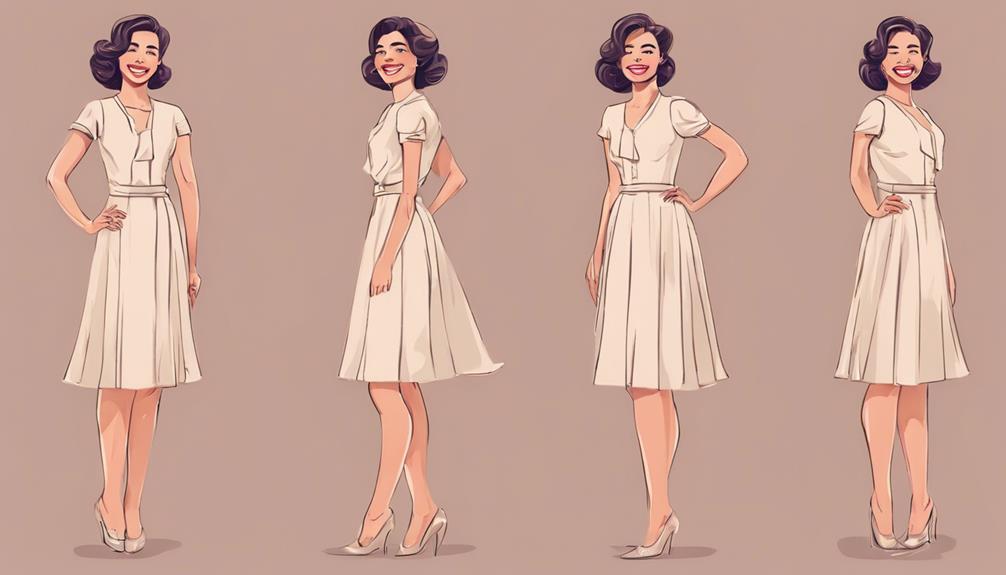
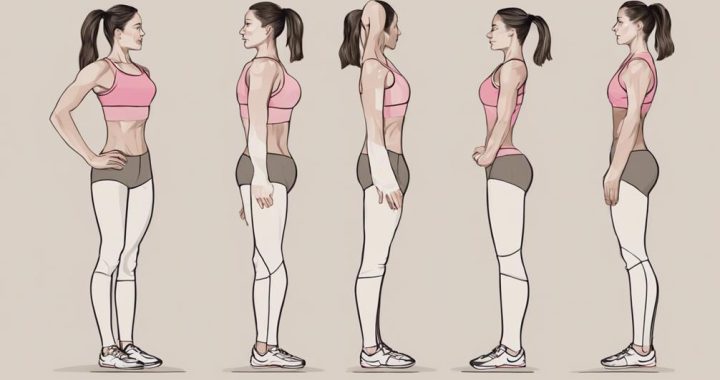
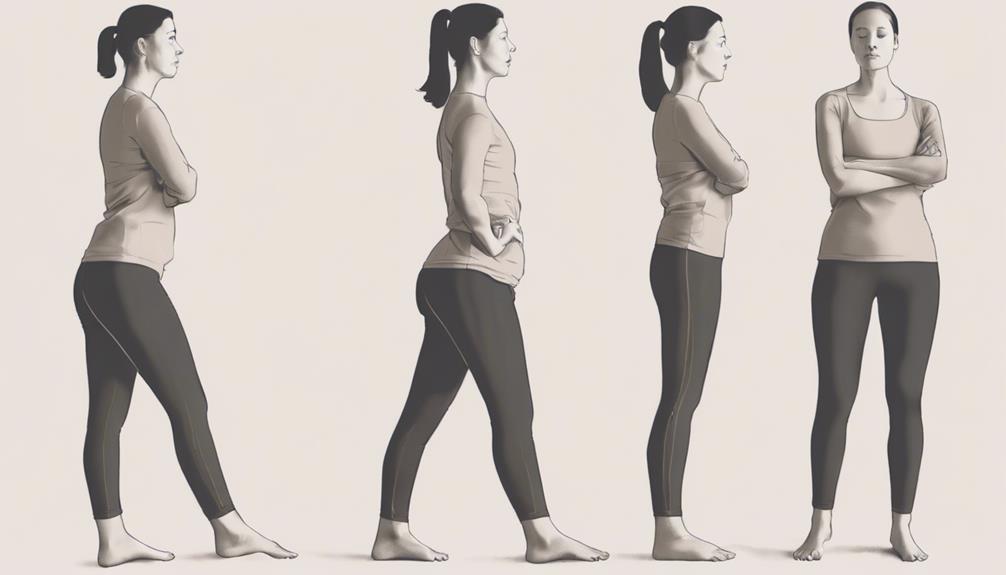
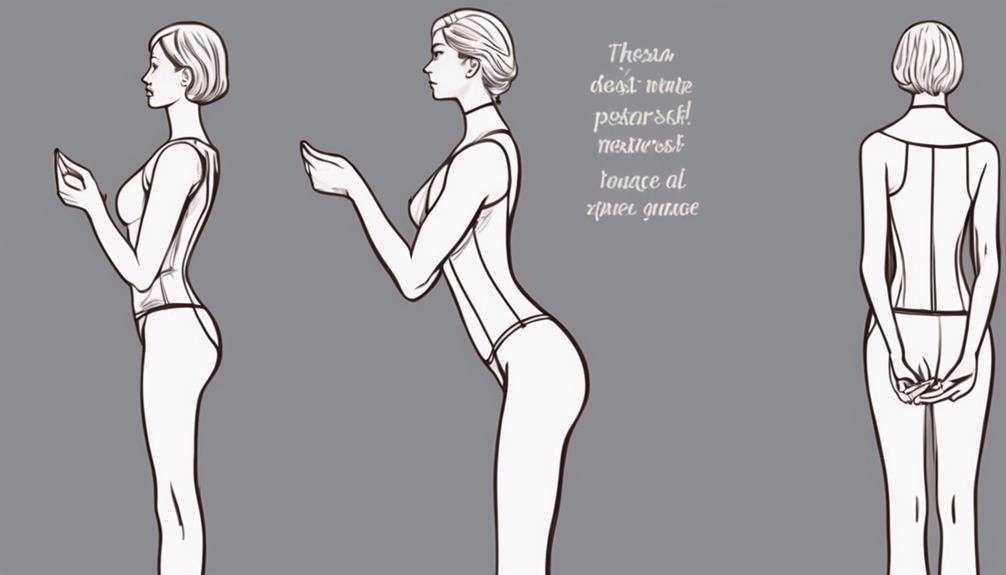
Feminine body posture often emphasizes openness combined with subtle restraint. For example, slightly angled shoulders and a gentle head tilt can suggest attentiveness and warmth. Hips and torso alignment also matter: a modest S-curve or the way a person rests weight on one leg creates a sense of natural grace. Hand gestures tend to be smaller and more controlled, and movement speeds are often fluid rather than abrupt. Observing these patterns helps when adjusting posture deliberately, but it’s important to adapt gestures to your own comfort so that the result reads as genuine rather than performative.

Facial expressions and the nuances of female body language

Facial expressions are central to female body language because faces convey emotional context instantly. Eyes that widen slightly, a softening of the jaw, and nuanced smiles can all signal empathy and approachability. Microexpressions—very brief, often subconscious facial movements—contribute heavily to perceived warmth and sincerity. Voice and facial gestures work together: softer vocal tones often pair with gentler facial animation. For anyone studying female body gestures, practicing relaxed facial muscles and mindful eye contact can significantly affect how feminine expression is received.

Applying gestures in cross-dressing and feminine expression

For those engaged in cross-dressing, consciously learning female body gestures can be a transformative part of presenting as feminine. The goal is not to mimic a stereotype, but to integrate body language habits that align with one’s desired presentation. Start by observing real-life examples in a variety of settings—public spaces, films, or social interactions—and note how gestures change with mood and context. Practice in front of a mirror and in low-stakes social situations to develop muscle memory. Clothing and makeup influence posture and movement as well; wearing garments that feel comfortable and supportive will make it easier to adopt feminine body posture naturally.

Practicing with respect and authenticity

Learning female body gestures should be guided by respect for the lived experiences of women and by a commitment to authenticity. Avoid reducing feminine expression to caricature. Instead, focus on small, sustainable adjustments: breathe consciously to reduce tension, soften your shoulders, and practice the rhythm of neutral gestures that feel natural when wearing feminine clothing. Feedback from trusted friends or communities can help refine your approach. Remember that confidence often looks like comfort—when your gestures reflect genuine ease, the body language of women you adopt will appear more convincing and respectful.

Cultural sensitivity and context

Body language is deeply influenced by culture, age, and social norms. A gesture that reads as polite and feminine in one culture may be misinterpreted in another. Similarly, the expectations around feminine body posture vary across generations and communities. Be mindful of the specific social context when practicing or applying female body gestures, particularly in public or professional spaces. Consent and situational awareness are crucial: using body language to manipulate or misrepresent intent can harm trust and social safety. Prioritizing ethical presentation and cultural sensitivity ensures that feminine expression remains empowering rather than problematic.

Female body gestures offer a meaningful toolkit for expressing femininity within the broader cluster of feminine expression and cross-dressing. By paying attention to posture, facial nuance, and movement quality, and by practicing with respect and cultural awareness, individuals can craft a presentation that feels authentic and comfortable. Ultimately, the most effective body language is one that reflects your inner identity while respecting the dignity of others, allowing feminine expression to be both personal and socially mindful.

Hrt Timeline

Understanding an hrt timeline helps people considering or starting feminizing hormones know what to expect, how long changes may take, and how care is typically managed. Whether you are researching mtf hrt for yourself, supporting a friend during an mtf transition, or simply trying to understand the effects of estrogen and anti-androgens, a clear overview of typical changes and clinical considerations can reduce anxiety and set realistic expectations. This article summarizes common stages in an hrt timeline, the differences between pills and injections, how anti-androgens like spironolactone fit into treatment, and what may happen if hormone use is started or stopped.

What an hrt timeline typically looks like

An hrt timeline is a general sequence of physiological and emotional changes people experience after starting feminizing hormones. Early effects are often subtle: reduced libido, softer skin, and slight changes in body fat distribution may begin within weeks to a few months. Over the first six months to a year, breast development, further fat redistribution, and decreased muscle mass become more noticeable. Complete or maximal feminizing effects can take several years, and some changes such as voice and final bone structure are not altered by hormones alone. The hrt effects timeline varies widely by age, genetics, baseline hormone levels, and whether anti-androgens are used in combination with estrogen.

Typical mtf hrt body changes by timeframe

Knowing the mtf hormones timeline can help set expectations. Within the first 1–3 months many people report reduced spontaneous erections, lower sex drive, and softer skin. By 3–6 months early breast budding and swelling can appear; continued breast growth and more visible fat redistribution often occur over 6–12 months. Muscle mass and upper body strength generally decline over months to years, and facial changes such as softer appearance happen gradually as fat shifts. For some, results seen in a man taking estrogen before and after photos show significant feminization over one to three years, but individual responses differ. It’s also important to recognize that changes like voice pitch typically require voice therapy or surgery, while hair removal may be needed for facial hair reduction.

Medications, delivery methods, and spironolactone hrt

mtf hrt commonly combines estrogen with an anti-androgen to lower testosterone. Spironolactone is a frequently used oral anti-androgen in some countries, referred to in discussions of spironolactone hrt, because it blocks androgen receptors and reduces testosterone production. Estrogen can be taken as pills, patches, gels, or injections, which leads to keywords like estrogen shots mtf and injectable estrogen mtf appearing in patient conversations. Each delivery method has pros and cons: oral estrogen is convenient but may carry different risk profiles than transdermal patches or injections. Injectable estrogen can offer steady hormone levels for some people, while estrogen pills mtf are an option where oral administration is preferred. Decisions about which medications to use, doses, and monitoring should be made with a qualified clinician to manage effectiveness and safety.

What happens if a man takes estrogen, or stops taking hormones

Questions like what happens if a man takes estrogen, what happens if a guy takes estrogen, or what does taking estrogen do to a man are common. In someone assigned male at birth, feminizing estrogen reduces testosterone-driven characteristics and can produce the changes described above. Some effects, such as decreased libido or erectile function, can occur relatively quickly. If a male taking estrogen stops treatment, many changes are at least partially reversible: libido often returns, and testosterone levels typically recover over weeks to months. However, some effects like breast tissue development may be permanent and can persist after stopping hormones. People often ask what happens when a male stops taking female hormones; the answer depends on how long they took hormones, their age, and individual physiology. It’s important to discuss the implications of starting and stopping hormones with a healthcare provider to address fertility, mental health, and long-term health monitoring.

How to start transitioning and how long to remain on hrt

Many people wonder how to start mtf hrt, how to get hrt mtf, or how to get estrogen pills mtf. Routes to care include informed consent clinics, gender clinics, primary care providers who offer transgender care, and telehealth services that connect patients with clinicians able to prescribe hormones. Before beginning, a typical process includes baseline labs, discussion of risks and benefits, and ongoing monitoring. Another common question is how long does a trans person need to take hormones: for many transgender women, hormones are a lifelong therapy to maintain feminization, manage gender dysphoria, and preserve well-being. Some may choose to stop for personal or medical reasons; others may adjust doses over time. Fertility considerations should be discussed early, because certain treatments can affect sperm production. For cisgender women asking can a woman take hormones to look more feminine, hormone use without medical indication is not advised; any hormone therapy should be supervised by a clinician to manage risks and optimize outcomes.

Throughout the process, realistic expectations and regular follow-up are essential. Individuals vary widely in response—some compare a male taking estrogen before and after and see dramatic changes, while others experience subtler shifts. Whether considering estrogen shots mtf, oral estrogen, spironolactone hrt, or other regimens, work with a knowledgeable healthcare team to tailor treatment and monitor cardiovascular, metabolic, and reproductive health.

Concluding, an hrt timeline provides a roadmap rather than a guarantee. Feminizing hormones can produce meaningful physical and emotional changes over months to years, with many results requiring ongoing treatment to maintain. Understanding mtf hrt body changes, the differences between pills and injections, what may happen if hormones are stopped, and how to access care helps people make informed decisions about mtf transition. Always consult a qualified healthcare professional before starting, changing, or stopping hormone therapy to ensure safe and effective treatment tailored to individual needs.

Crossdress Male To Female

Exploring crossdress male to female expression is about more than changing clothes; it is a personal journey into identity, presentation, and confidence. Whether someone is experimenting privately, performing on stage, or stepping into a new gender role, the choices made in clothing, grooming, and demeanor shape how they are perceived and how they feel about themselves. This article sits within the Feminine Expression & Cross-Dressing pillar and offers a thoughtful, practical guide for people interested in male to female dressing, with attention to comfort, safety, and authenticity.

Understanding motivations behind crossdress male to female

People choose to crossdress male to female for many reasons. For some, it is an exploration of gender identity or a way to experience femininity without making permanent life changes. For others, it can be an artistic or performative endeavor, a route to self-expression, or a source of comfort and joy. Recognizing the difference between gender identity, gender expression, and sexual orientation is important. Male to female dressing can be purely expressive without implying a specific label, and acknowledging that variety makes it easier to approach the practice with openness and respect.

Foundations of male to female dressing: clothing and fit

Clothing choices are central to successful male to female dressing. Start by understanding body proportions and how garments can create the silhouette you want. Dresses and skirts with defined waists help create curves, while padded undergarments and shaping garments can enhance hips and bust. Choosing fabrics that drape rather than cling can soften lines. Pay attention to fit—ill-fitting clothing can undermine an otherwise thoughtful outfit. Tailoring is a valuable tool; even small adjustments to sleeves, hemlines, or shoulder seams can make masculine-cut clothes read as feminine when properly altered.

Grooming and makeup for a cohesive presentation

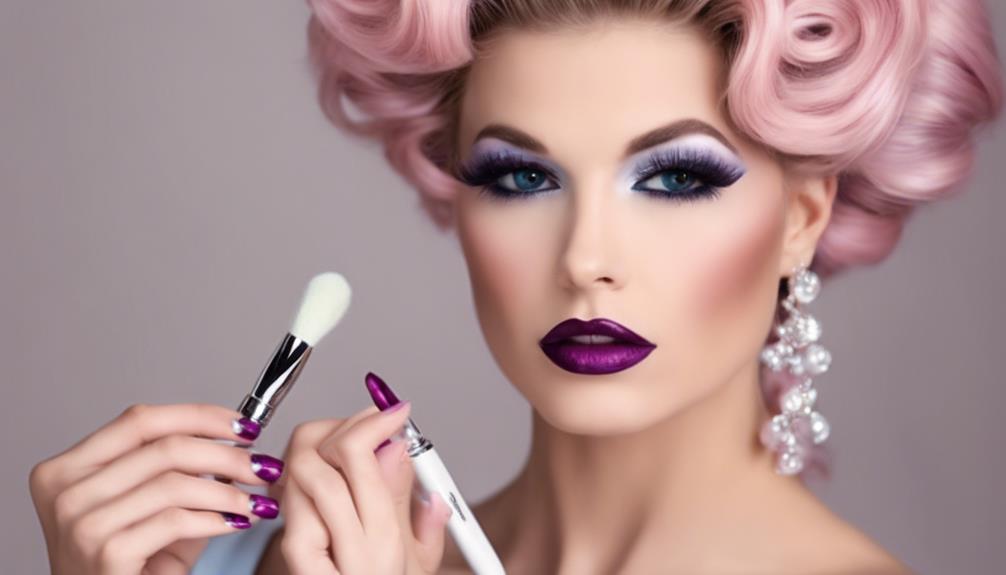
Grooming and makeup are powerful ways to align external appearance with internal intent. Many who crossdress male to female find that learning makeup techniques—contouring to feminize facial structure, softening brows, and applying foundation to even skin tone—can transform their look more than clothing alone. Hair, whether a wig or natural styling, plays a crucial role: longer styles and softer layers often read as more traditionally feminine. Pay attention to small details like manicured nails, subtle fragrances, and skincare; these elements support a cohesive presentation and can boost confidence in social settings.

Voice, movement, and social confidence

Beyond visual presentation, voice modulation and body language influence how others perceive you. Adopting a slightly higher pitch, varied intonation, and breathy quality can help a wearer of male to female clothing align their vocal presentation with their appearance. Equally important are movement and posture: smaller strides, relaxed shoulders, and fluid gestures often read as feminine. Practicing in private or with a trusted friend allows you to experiment safely. Building social confidence is a gradual process; beginning in low-pressure environments and celebrating small successes helps reduce anxiety.

Safety, community, and respectful navigation

While many experiences of crossdressing are positive, it’s also necessary to consider safety and personal boundaries. Public environments differ widely in acceptance, so researching local norms and choosing supportive spaces for early outings is wise. Online communities and local support groups focused on feminine expression and cross dressing can offer practical advice, suggestions for trans-friendly tailors or stylists, and emotional support. Respect for oneself and others includes knowing when to disclose personal information, how to set boundaries with partners or family, and how to seek help if you encounter discrimination or harassment.

Practical resources and next steps for exploration

For those ready to deepen their practice, practical resources make a big difference. Specialty shops for wigs, prosthetics, and garments tailored to male to female dressing provide items designed for comfort and realism. Tutorials on makeup application, voice training, and gait coaching are widely available and can accelerate skill-building. If you are part of or seeking local networks, prioritize groups that emphasize consent, safety, and respect. Finally, consider documenting your progress through photos or a journal; tracking changes helps identify what techniques best support your feminine expression and personal comfort.

Crossdressing male to female is a multifaceted journey that blends clothing, grooming, movement, and social awareness. Whether you are experimenting privately or presenting publicly, thoughtful preparation and connection to supportive resources enhance both your appearance and your well-being. By approaching male to female dressing with curiosity, patience, and respect for yourself, you can explore feminine expression in ways that feel authentic and empowering.

Sex Reassignment Doctors

Finding the right medical team is one of the most important steps for anyone considering gender-affirming surgery. Sex reassignment doctors play a central role in guiding patients through the medical, surgical, and emotional aspects of transition. This article, part of the Feminization Resources & Tools cluster, explains how to evaluate providers, what to expect from mtf srs surgeons and multidisciplinary teams, and what tools and resources can support a successful outcome. Whether you are just beginning research or preparing for surgery, understanding these elements will help you make informed choices about your care.

How to choose sex reassignment doctors

Choosing sex reassignment doctors requires balancing clinical expertise, experience with transgender patients, and a compassionate approach to care. Start by verifying credentials and fellowship training in relevant specialties such as plastic surgery, urology, or gynecology. Board certification and memberships in professional associations often indicate a commitment to continuing education. Equally important is the surgeon’s specific experience with gender-affirming procedures: ask how many procedures they have performed, review before and after photos when available, and seek patient testimonials from people with similar goals. Consider the whole team as well, including endocrinologists, mental health professionals, and nursing staff, because comprehensive care reduces complications and improves outcomes.

Understanding the roles of mtf srs surgeons and multidisciplinary teams

MTF SRS surgeons specialize in procedures that feminize the body and genital anatomy, and their technical skill directly affects both function and aesthetics. However, sex reassignment doctors do not work in isolation. A multidisciplinary team typically includes endocrinologists to manage hormone therapy, mental health clinicians for assessment and support, anesthesiologists familiar with perioperative needs, and specialized nurses for postoperative care. This collaborative model ensures that surgical decisions align with medical history and emotional readiness, and that patients receive coordinated care from preoperative consultations through long term follow up. When evaluating surgeons, inquire about the team members who will participate in your care and how their roles are coordinated.

What to expect during consultations and preoperative care

Initial consultations with sex change doctors usually begin with a thorough review of medical history, current medications, mental health status, and goals for surgery. Surgeons will discuss the various surgical techniques, possible risks, recovery timelines, and realistic outcomes. Preoperative care often includes laboratory tests, imaging as needed, and optimization of general health factors such as smoking cessation and management of chronic conditions. For those pursuing mtf srs, expectations around hormone therapy and referral letters from mental health professionals may be part of the pathway depending on local standards of care. Clear communication about timelines, costs, and insurance processes is essential so that patients can plan adequately for surgery and recovery.

Questions to ask sex change doctors and surgical teams

Preparing a list of questions for consultations helps ensure you cover both the surgical details and the care experience. Ask about the surgeon’s complication rates and how complications are managed, what technique they recommend and why, and what aesthetic and functional outcomes are typical. Inquire about the anesthesia plan, hospital stay duration, and the expected timeline for returning to daily activities. Ask whether the team offers resources for emotional support and peer mentoring, and clarify follow up schedules and access to care after hours. Don’t hesitate to request references or speak with former patients to get a sense of their real world experiences with the same surgeon and team.

Aftercare, recovery, and additional feminization resources

Recovery after gender-affirming surgery can be physically and emotionally intense, so choosing sex reassignment doctors who provide comprehensive aftercare is crucial. Postoperative follow up should include wound care instructions, pain management plans, and clear signs to watch for that require urgent attention. Rehabilitation services, pelvic floor therapy, or continence care may be part of the recovery plan depending on the procedure. Beyond medical care, there are many feminization resources and tools that support recovery and long term wellbeing, including community support groups, specialized physical therapy, voice and communication coaching, and online educational materials. These resources can complement clinical care and help patients adapt to the changes that follow surgery.

Access and affordability considerations

Access to experienced sex reassignment doctors varies widely by geography and insurance coverage. For many people, travel to a specialized center with experienced mtf srs surgeons is necessary. When planning, factor in the cost of travel, lodging, and potential time off work in addition to surgical fees. Contact your insurance provider early to understand coverage policies, prior authorization requirements, and any documentation they require from sex change doctors or mental health clinicians. Some clinics offer financial counseling or payment plans to help manage costs. Exploring these practical considerations ahead of time can reduce stress and allow you to focus on recovery.

Deciding on sex reassignment doctors is a highly personal process that benefits from careful research, thoughtful questions, and attention to the entire care team’s experience and support systems. By prioritizing credentialed mtf srs surgeons who work within multidisciplinary teams, preparing for thorough preoperative planning, and accessing post operative and community resources, patients can make choices that align with their goals for feminization and long term wellbeing. Thoughtful preparation and informed conversations with providers help ensure safer outcomes and a more positive surgical journey.

Feminizing Hypnosis

Feminizing hypnosis is an increasingly discussed tool within the broader field of feminization resources & tools. For many people exploring gender presentation and voice, hypnosis can feel like a noninvasive way to support mental and behavioral change. This article explains what feminizing hypnosis is, how it differs from other approaches, the types of feminization hypnosis videos and tools available, and practical guidance for choosing resources safely and effectively. It is intended as an informational overview rather than medical or therapeutic advice, and anyone considering hypnosis as part of a transition plan should consult licensed professionals and trusted community resources.

What is feminizing hypnosis?

Feminizing hypnosis refers to a set of hypnotic techniques and recordings designed to support changes in gender expression, confidence, voice, posture, and body image that some people associate with a more feminine presentation. Practitioners and content creators use guided imagery, suggestion, and relaxation to encourage mental patterns and habits that can make adopting new behaviors feel easier and more natural. While the label suggests a singular method, feminizing hypnosis is a broad umbrella encompassing self-hypnosis audio, live sessions with trained hypnotists, and multimodal programs that combine hypnosis with voice coaching or behavioral exercises.

Benefits and realistic expectations

People explore feminizing hypnosis for several reasons: to reduce anxiety about public presentation, to build confidence in social interactions, to support voice and speech adjustments, and to reinforce daily habits that align with gender goals. Some users report that regular, consistent use of recordings helps them feel more comfortable and authentic. However, it is important to maintain realistic expectations. Scientific evidence for hypnosis varies depending on the targeted outcome, and hypnosis is not a guaranteed or standalone solution for medical or psychological needs. Thinking of feminizing hypnosis as a supportive tool rather than a cure helps integrate it sensibly into a broader plan that may include medical care, therapy, voice training, and community support.

Types of feminization hypnosis videos and tools

The landscape of feminization hypnosis includes a range of formats to suit different preferences and learning styles. Feminization hypnosis videos often combine calming visuals with spoken suggestions, making them accessible for people who prefer audiovisual guidance. Audio-only self-hypnosis tracks are common for nightly or routine practice, while live sessions with a certified hypnotist offer more personalized scripts and pacing. Some tools pair hypnosis with guided voice exercises, mirror work, or journaling prompts to reinforce behavioral change. Quality varies considerably among creators, so it helps to pay attention to production values, reviewer feedback, and whether the materials include safety information and suggested professional contacts.

How to choose resources and ensure safety

Choosing the right feminization hypnosis resource means balancing credibility, personal comfort, and safety. Look for creators who disclose relevant training, such as credentials in clinical hypnosis, psychotherapy, or voice coaching, and who offer clear guidance on what to expect from sessions. Read reviews and seek recommendations within supportive communities. Be cautious with any resource that promises rapid, dramatic transformations or that asks for personal medical information without appropriate safeguards. It is also wise to avoid using hypnosis recordings while driving or operating machinery. If a recording causes distress or triggers intense emotional responses, stop and reach out to a licensed therapist or a trusted community contact for support.

Integrating feminizing hypnosis into a broader transition plan

Feminizing hypnosis can be most effective when it complements other feminization resources and tools. For example, pairing gentle daily hypnosis practice with structured voice training, therapy for body image and gender dysphoria, and practical wardrobe or grooming coaching can provide both psychological reinforcement and concrete skill development. Scheduling short, consistent sessions rather than sporadic long ones helps build habits. Keep a simple log of what you try and how you feel afterward to identify what is helping. Above all, maintain communication with health professionals if you are undergoing medical transition, and let therapists or doctors know about your use of hypnosis so they can give informed guidance.

Evaluating results and adjusting your approach

Monitor both subjective feelings and observable changes when using feminizing hypnosis. Improvements may show up as reduced anxiety, more natural-sounding speech, or increased ease with feminine mannerisms, but progress often occurs gradually. If a particular feminization hypnosis video or program seems ineffective, consider switching creators, shortening or lengthening session frequency, or combining hypnosis with other structured training. Community feedback and peer support can be invaluable for adjusting expectations and discovering reputable feminization resources. Remember that personal comfort and safety are the primary measures of success, and that everyone’s timeline and goals will be different.

In conclusion, feminizing hypnosis can be a valuable element within a larger toolkit for those seeking changes in gender expression and presentation. It works best as a supportive method used alongside professional guidance, voice and movement coaching, and mental health care when needed. Choose resources carefully, prioritize safety and credibility, and keep realistic expectations about the pace and scope of change. With thoughtful selection and consistent use, feminizing hypnosis and complementary tools can help some people feel more confident and aligned with their identity as part of a holistic approach to feminization.

What Does Feminization Mean

Feminization is a term that appears in many conversations today, from clinical discussions about gender-affirming care to cultural critiques of gender roles and private conversations about personal transformation. If you have asked what does feminization mean, the honest answer is that it depends on the context. At its core, feminization refers to processes, changes, or attributes that make something more characteristic of, aligned with, or associated with femininity. This article examines the meaning of feminization across social, psychological, medical, and personal spheres to help clarify what people mean when they use the term.

Understanding the definition of feminization

To define feminization in a concise way, one can say it is the adoption or attribution of traits, behaviors, appearances, or social roles typically associated with women or femininity. The definition of feminization covers a broad range of phenomena: it can describe demographic shifts, such as more women in certain professions; it can denote cultural trends, like media portraying characters with traditionally feminine attributes; and it can refer to individual transitions, where people intentionally alter their presentation to align with feminine norms. Asking what does feminization mean often invites an exploration of both descriptive and prescriptive uses of the word, since it can be used neutrally, analytically, or evaluatively depending on who is speaking and why.

Historical and cultural context

Historically, ideas about femininity have fluctuated widely between societies and eras, so the meaning of feminization is tied to cultural norms. In some contexts, feminization has been linked to the increased participation of women in particular industries or institutions, often accompanied by debates about status, remuneration, and social value. In other eras, feminization implied the softening of previously masculine spaces, provoking anxieties about power and identity. Understanding these cultural layers helps explain why the term can carry positive, neutral, or negative connotations. The meaning of feminization therefore emerges not only from individual choice but from collective understandings of gender and what traits are labeled feminine.

Feminization in medical and psychological contexts

In clinical settings, feminization often refers to medical and therapeutic processes that assist transgender and gender-diverse people in aligning their bodies with their gender identity. This can include hormone replacement therapy, surgical interventions, voice training, and other forms of gender-affirming care aimed at producing more typically feminine secondary sex characteristics or presentation. Professionals use the term to describe stages in a transition or the effects of particular treatments. When someone asks to define feminization medically, they are usually seeking clarity on the treatments available, expected outcomes, and the psychological impact of those changes. For many people, achieving feminization through medical care can be deeply affirming and life-changing.

Personal and social meanings: why people pursue feminization

People pursue feminization for diverse reasons. For some, it is an expression of gender identity; for others, it is a way to explore different aspects of self, sexual preference, or aesthetic taste. Statements like i want to be feminized reflect personal desire and can be motivated by curiosity, comfort, or a need for congruence between internal identity and external presentation. Socially, feminization can also be a strategic adaptation, where adopting feminine behaviors or appearance provides perceived social or professional advantages in certain contexts. Regardless of the motivation, the experience of feminization is highly individual and shaped by cultural expectations, personal history, and available resources.

Ethical, social, and psychological considerations

Questions about feminization often raise important ethical and psychological issues. On the societal level, debates focus on whether labeling certain traits as feminine reinforces limiting stereotypes or whether recognizing feminine qualities can broaden understandings of human expression. On the individual level, people considering feminization should weigh emotional readiness, support systems, and potential social repercussions. For those seeking medical feminization, informed consent and access to competent, respectful care are critical. Mental health support can help individuals navigate identity questions, body image, and relationships with family and community as changes occur. Recognizing the complexity of these considerations prevents oversimplified definitions and supports more compassionate responses.

Practical advice for individuals exploring feminization

If you are exploring what does feminization mean for you personally, start by reflecting on your goals and values and seek out trustworthy information. Engage with supportive communities, read firsthand accounts, and consult qualified professionals when considering medical or legal steps. Experimenting with clothing, voice, mannerisms, and grooming in safe environments can help you understand how different expressions feel. If the phrase i want to be feminized resonates, consider speaking with a counselor or joining peer groups to clarify what feminization would look like in your life and how to pursue it responsibly. Practical planning, emotional support, and realistic expectations are essential components of any transition or intentional change.

Feminization is a multifaceted concept that can mean different things depending on context, culture, and personal intent. Whether discussed as a sociological trend, a medical pathway, or an individual aspiration, the meaning of feminization involves changes toward qualities traditionally associated with femininity. Understanding this concept requires attention to historical context, clinical realities, personal motivations, and ethical implications. By approaching the topic thoughtfully, individuals and communities can better respect diverse experiences and support those who seek feminization in safe, informed, and empowering ways.

etiquette tips for maids

5 Best Etiquette Tips for Sissy Maid Training

In sissy maid training, embrace proper etiquette for a touch of elegance and distinction. Address your superiors as 'Madam' or 'Mistress' and curtsy gracefully. Table settings demand meticulous attention with forks on the left and knives to the right. Maintain poise and serve beverages gently. Communication is key – convey respect through body language and tone. Dress impeccably with well-fit, clean uniforms. Efficiently manage tasks by prioritizing and scheduling. There's more to discover within the realms of sissy maid etiquette, where grace and commitment intertwine seamlessly.

Proper Address and Greetings

politeness in communication essential

When addressing your superiors in sissy maid training, always use titles such as 'Madam' or 'Mistress' followed by their name to show respect and deference. Proper curtsy and bowing are essential when greeting your superiors.

As you approach them, ensure your posture is straight, and your movements are graceful. To execute a proper curtsy, gently gather the edges of your maid uniform, lower yourself with elegance, and hold the position momentarily before rising. Remember, a well-executed curtsy reflects your commitment to the role and your appreciation for their guidance.

Polite responses and demeanor are crucial elements of sissy maid training. When spoken to, respond promptly and respectfully. Maintain a pleasant tone and attentive body language. Always address your superiors with a respectful tone, using proper titles and names.

Your demeanor should convey humility, obedience, and a willingness to serve. By embodying these qualities, you demonstrate your dedication to your training and your desire to excel as a sissy maid.

Table Setting and Serving Etiquette

Proper table setting and serving etiquette in sissy maid training requires meticulous attention to detail and a refined sense of grace and precision. When arranging silverware, remember that forks belong on the left with the salad fork placed closest to the plate, and knives and spoons on the right.

Proper posture is essential while serving, ensuring a dignified and elegant presentation.

When serving tea, approach guests with a gentle demeanor and offer the beverage with a steady hand, avoiding any unnecessary spillage. Your cleaning duties should be performed discreetly and efficiently, without drawing attention to yourself.

Remember to be attentive to guests' needs, offering refills and clearing away empty dishes promptly.

Maintaining a polished and professional appearance while performing these tasks is crucial. Your demeanor should reflect respect and attentiveness to your duties.

Communication and Behavior Guidelines

Observing appropriate communication and behavior guidelines is essential in sissy maid training to maintain a professional and respectful demeanor. When engaging in sissy maid duties, your body language and tone play a crucial role in conveying respect and attentiveness.

Ensure your posture is upright, gestures are gentle, and facial expressions are pleasant. A soft and polite tone of voice is recommended to show obedience and willingness to serve.

Understanding social cues and boundaries is equally important. Pay attention to your Mistress's verbal and non-verbal cues to anticipate her needs and preferences. Respect personal space and avoid intruding unless instructed otherwise.

It's vital to maintain a balance between being attentive and being overly familiar to uphold professionalism.

Dress Code and Presentation Standards

Maintaining a meticulous dress code and adhering to high presentation standards is crucial in sissy maid training to convey professionalism and dedication effectively. Grooming standards play a significant role in creating a polished appearance. Ensure hair is neatly styled, nails are clean, and makeup, if worn, is tastefully applied. Proper posture techniques are essential; stand tall with shoulders back to exude confidence and grace.

When it comes to uniform selection, choose outfits that are appropriate for the tasks at hand. Uniforms should be clean, well-fitted, and ironed to perfection. Color coordination is key; opt for colors that are pleasing to the eye and reflect a sense of harmony. Remember, the uniform is a symbol of your commitment to the role you're undertaking.

Time Management and Task Prioritization

efficient time management strategies

Efficiently managing your time and prioritizing tasks are essential skills to master in sissy maid training to ensure productivity and effectiveness in your duties. Task scheduling plays a crucial role in organizing your responsibilities efficiently. Begin by creating a daily schedule outlining specific tasks and allocating time slots for each.

Prioritization techniques such as categorizing tasks based on urgency and importance can help you focus on what needs to be done first. By identifying high-priority tasks, you can ensure that crucial duties are completed promptly.

To enhance your time management skills further, consider utilizing tools like planners or digital apps to track your tasks and appointments. Setting realistic deadlines for each task can aid in maintaining a structured workflow. Remember to factor in breaks to avoid burnout and maintain productivity throughout the day.

Conclusion

In conclusion, mastering the etiquette tips for sissy maid training is essential for embodying grace, elegance, and efficiency in your role.

By adhering to proper address and greetings, table setting and serving etiquette, communication guidelines, dress code standards, and time management techniques, you won't only enhance your skills as a sissy maid but also demonstrate respect and professionalism in your duties.

Remember, attention to detail and dedication to these principles will set you apart as a true master of etiquette.

Feminine Attire

Feminine attire can be a powerful form of self-expression, whether you are exploring feminine expression, practicing cross dressing, or simply refining your everyday wardrobe. Embracing a feminine fashion style is less about following rigid rules and more about learning the shapes, fabrics, colors, and attitudes that help you feel authentic and comfortable. This article offers practical guidance on building a versatile feminine wardrobe, combining casual feminine outfits with classy feminine style, and developing a confident feminine look that works for many occasions.

Understanding feminine expression and cross dressing

Feminine expression and cross dressing are personal journeys that often intersect with fashion, identity, and confidence. Feminine attire is not limited to one demographic or body type; it includes feminine clothing styles that emphasize softness, curves, or delicate details if that is the aesthetic you want. For many, learning how to dress more feminine or how to dress more girly involves experimenting with silhouettes, fabrics, and colors that feel true to their sense of self. Respectful exploration and gradual experimentation are key—try items at home, see how they change your posture and confidence, and adjust based on what feels right.

Building a foundational wardrobe

A reliable foundation of feminine outfits for women—or for anyone pursuing a feminine look—begins with essentials that can be mixed and matched. Start with well-fitting undergarments that provide the shaping you need, and invest in a versatile dress or two in neutral colors. Skirts in A-line or pencil shapes, blouses with gentle details like ruffles or lace, and a tailored blazer can create both casual feminine outfits and classy feminine outfits. Fabrics matter: lightweight cottons and silk blends drape differently than stiff synthetics, so choose materials that flatter your silhouette and move naturally with your body.

Styling tips: from casual feminine outfits to classy feminine style

Transitioning between casual feminine outfits and a more formal feminine fashion style is mainly about proportions and accessories. Casual looks can be achieved with soft-knit sweaters, flowy skirts, or fitted jeans paired with a feminine blouse. Add ballet flats or low heels for a relaxed but polished vibe. For a classy feminine style, focus on clean lines, structured pieces, and subtle details: a midi dress in a solid color, a tailored coat, and a single statement accessory can elevate the outfit. When learning how to dress feminine or how to dress girly, think about how each piece complements the others rather than relying on loud prints or heavy layering to make the point.

Hair, makeup, posture, and accessories to enhance the feminine look

Beyond clothing, hair, makeup, posture, and accessories are powerful tools to achieve the feminine look you want. Hairstyles that add softness around the face—loose waves, side-swept bangs, or a neat bun—can change the overall impression of an outfit. Makeup can be subtle or bold depending on the occasion; focusing on skin tone, brows, and a flattering lip color often makes the most immediate difference. Posture and movement are part of the style: practicing graceful gestures and an upright stance helps dresses and skirts sit as intended and boosts confidence. Accessories like delicate jewelry, structured handbags, and scarves can refine a feminine fashion style without overwhelming it.

Practical shopping tips and confidence-building

Shopping for feminine clothing styles can feel overwhelming, but a few practical strategies make it easier. Try clothes in a variety of sizes and cuts to discover what flatters your body, and don’t be afraid to take garments to a tailor—minor adjustments can turn an okay item into something that looks custom-made. When learning how to dress more feminine or how to dress more girly, begin with small changes and build gradually: adding a pair of heels, swapping boxy tops for fitted blouses, or choosing softer colors can all shift your aesthetic. Confidence often comes from repetition; wear your chosen looks in safe settings and note how they feel. Over time, you will develop a personal version of feminine style that matches your identity and lifestyle.

Respectful presentation and community considerations

Exploring feminine expression and cross dressing often involves social and emotional elements as well as fashion. Being mindful of context—work, family events, or public spaces—helps you navigate when to present a more conservative feminine attire and when you can fully express a playful, girly side. Many people find support in online communities, local meetup groups, or through friends who understand the journey. Remember that dignity and respect for yourself and others are central to any style choice; wearing a classy feminine outfit does not require discomfort, and being true to your style can foster healthier interactions and greater self-acceptance.

Feminine attire is a broad, flexible category that can be curated to suit many goals: comfort, elegance, playfulness, or a combination of these. Whether you are exploring feminine outfits for women, refining a classy feminine style, or learning how to dress more feminine or more girly, focus on fit, fabric, and confidence. With thoughtful shopping, mindful styling, and gradual experimentation, you can create a wardrobe and a feminine look that feel authentic, empowering, and uniquely yours.

Cute Cross Dressing

Cute cross dressing is a style and practice that blends playful fashion with intentional feminine expression. For many people, it’s less about performance and more about exploring identity, aesthetics, and comfort. Whether you are just starting to experiment or have been dressing for years, cultivating a cute look can be empowering, creative, and deeply personal. This article explores practical styling tips, emotional considerations, and community resources to help anyone interested in cute cross dressing feel confident and authentic.

Understanding cute cross dressing and what it means to you

Cute cross dressing describes an aesthetic choice that favors softness, charm, and approachable femininity. For some, this involves pastel colors, delicate silhouettes, and accessories that read as playful or youthful. For others, cute can be a mix of vintage-inspired pieces, tailored cuts, or modern streetwear that still reads sweet or endearing. The key is that cute cross dressing is self-defined: what feels adorable and affirming to one person might look different for another. Accepting that range helps people experiment without rigid expectations.

Clothing choices and styling tips for a cute look

Building a wardrobe for cute cross dressing starts with silhouettes and proportions. A-line skirts, skater dresses, and high-waisted jeans with a tucked-in top create a balanced, flattering shape. Lightweight fabrics like chiffon, lace, and soft knits add texture that enhances a gentle aesthetic. Color palette matters but does not have to be limited to pastels; combining neutrals with a single pop of color can achieve an equally cute effect. Accessories such as hair clips, small handbags, and simple jewelry complete the look while allowing you to express personality without overwhelming the outfit.

Makeup, hair, and grooming for approachable femininity

Makeup for cute cross dressing often emphasizes a fresh, dewy complexion and subtle accents rather than heavy contouring. Focus on skin prep, a lightweight base, soft blush, and a touch of mascara to open the eyes. Lips can be kept natural with tinted balm or a soft gloss that complements the overall tone. Hairstyling can range from natural waves to neat ponytails or braided details; wigs are a useful tool when you want to experiment with length or color. Grooming also influences overall presentation—manicured nails, light scent, and well-cared-for skin contribute to a cohesive, intentional appearance that supports the cute aesthetic.

Confidence, safety, and navigating public spaces

Expressing femininity through cute cross dressing can be exhilarating, but it also raises practical questions about safety and social comfort. Confidence grows with preparation and small steps: try outfits at home, practice walking and posture, and experiment with voice or gestures in private until you feel ready to present in public. Choose venues and times where you feel safer for early outings, and consider bringing a friend for support. It’s also helpful to learn about local spaces and communities that are welcoming. Prioritizing your mental and physical safety while celebrating your style is an important balance to maintain.

Community, learning, and finding support

Crossdressers cute looks often flourish within supportive communities where people share tips, feedback, and encouragement. Online forums, social media groups, and local meetups can be excellent places to learn about styling, makeup techniques, and shopping resources. Workshops and tutorials help build skills while personal stories offer emotional support and practical advice. Even in smaller or more private circles, finding allies—friends, partners, or mentors—can make a big difference in how comfortable you feel exploring feminine expression. Community also helps normalize a variety of cute aesthetics and reduces the pressure to conform to a single look.

Embracing identity: beyond the outfit

While clothing and accessories are central to cute cross dressing, the practice is often tied to broader questions of identity and self-understanding. Some individuals use cross dressing to explore gender identity, while others approach it as artistic expression or a confidence-building activity. Recognizing the emotional aspects—how the clothes make you feel, what they symbolize, and how they fit into your life—can create a deeper, more sustainable practice. Respecting your boundaries and being open to evolving tastes allows your expression to grow naturally rather than feeling fixed or performative.

Cute cross dressing offers a gentle and creative pathway into feminine expression. By combining thoughtful styling, simple beauty practices, attention to safety, and connection with supportive communities, anyone can develop a look that feels both adorable and authentic. Whether you aim for soft romantic pieces, playful accessories, or a subtly feminine daily wardrobe, the most important element is your comfort and honesty with yourself. Embrace experimentation, learn from others, and let your personal version of cute cross dressing reflect who you are.