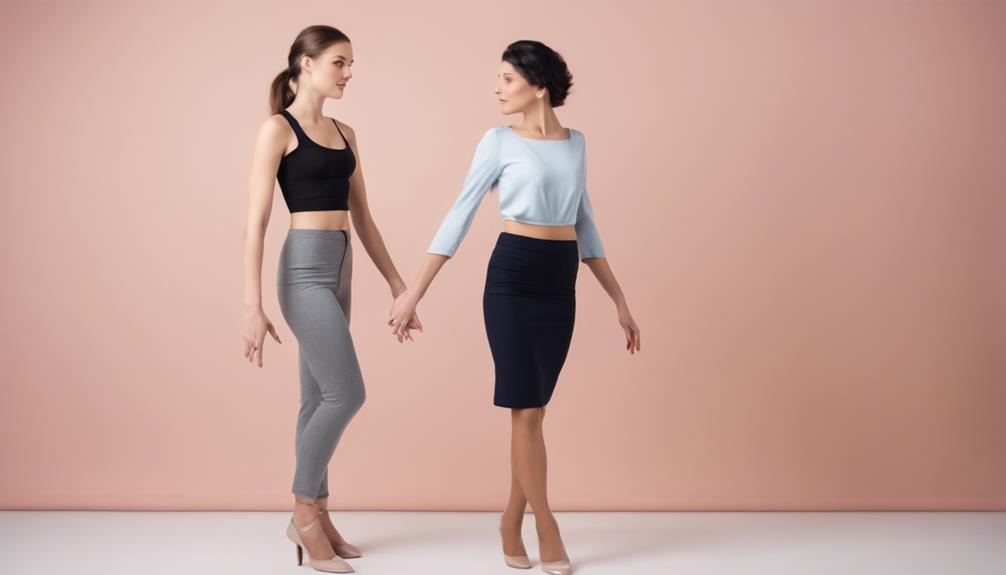
feminine physique through diet

Achieving a Feminine Physique: Sissy Diet & Fitness

To achieve a feminine physique with a sissy diet and fitness plan, focus on balanced nutrition and targeted exercises. Emphasize lean proteins, healthy fats, and plenty of hydration for glowing skin and overall well-being. Incorporate yoga and Pilates for flexibility, strength, and grace. Cardio activities like jogging and HIIT enhance heart health and endurance. Resistance training with exercises like squats and chest presses builds lean muscle for curves. These strategies combined can help you sculpt a feminine physique that aligns with your goals.

Understanding Sissy Training Basics

To start your journey into the realm of Sissy Training Basics, it's necessary to understand the fundamental principles that support this unique approach to diet and fitness.

Sissy training isn't just about physical transformation; it explores the psychology of embracing femininity. Motivation plays a pivotal role in maintaining a sissy lifestyle. Understanding the reasons behind your desire for a feminine physique can help you stay dedicated to your goals.

Living a sissy lifestyle comes with its own set of challenges. Society's traditional views on gender norms can create internal conflicts that may impede your progress. Overcoming these societal barriers requires a strong mindset and unwavering determination.

Embracing the sissy lifestyle means embracing your authentic self, regardless of external opinions. It's about finding empowerment in your femininity and being confidently yourself.

Navigating the challenges of a sissy lifestyle can be overwhelming, but with the right mindset and motivation, you can overcome any obstacles that come your way.

Tailoring Your Diet for Femininity

Tailor your diet to enhance femininity by incorporating nutrient-dense foods that support your physical and emotional well-being. Feminine nutrition focuses on a balance of macronutrients like lean proteins, whole grains, healthy fats, and plenty of fruits and vegetables.

Meal planning is an essential aspect of the sissy diet, as it helps you stay on track with your weight loss strategies while ensuring you get all the necessary nutrients.

When planning your meals, aim for variety and color on your plate. Include foods rich in vitamins, minerals, and antioxidants to support your overall health and beauty from within. Opt for lean proteins like chicken, fish, tofu, or legumes, paired with whole grains such as quinoa or brown rice.

Incorporate healthy fats like avocado, nuts, and olive oil to promote glowing skin and hair. Remember to stay hydrated by drinking plenty of water throughout the day to support your metabolism and overall well-being.

Incorporating Feminine Exercises Into Routine

integrating women s workouts effectively

Enhance your femininity by incorporating exercises tailored to sculpting a feminine physique into your routine. Yoga is a fantastic way to improve flexibility and build strength while promoting a graceful, toned appearance. The various poses in yoga target different muscle groups, helping to create long, lean muscles typically associated with femininity. Incorporating a regular yoga practice can also contribute to improved posture and overall body awareness.

Pilates is another excellent exercise option for those looking to enhance their feminine silhouette. Pilates focuses on strengthening the core muscles, which can help create a more defined waistline and improve posture. By engaging in Pilates exercises that target the abdominal muscles, you can achieve a more slender and toned midsection. Additionally, Pilates emphasizes proper alignment and body mechanics, leading to better posture and a more elegant presence.

Importance of Cardio for Sissies

Incorporating cardio exercises into your fitness routine is important for sissies looking to improve their overall health and endurance levels. Cardiovascular exercises offer a myriad of benefits that can enhance your sissy workout routines and deliver significant results.

Engaging in activities such as jogging, cycling, or dancing increases your heart rate, which strengthens your heart muscle, improves circulation, and boosts lung capacity. This enhanced cardiovascular system allows for better oxygen delivery to your muscles during workouts, ultimately improving your stamina and endurance.

To maximize the benefits of cardio, it's vital to vary the intensity of your workouts. High-intensity interval training (HIIT) can be particularly effective for sissies, as it combines short bursts of intense exercise with brief recovery periods. This approach not only burns calories efficiently but also helps in sculpting a feminine physique by reducing body fat and promoting lean muscle growth.

Consistently incorporating cardio exercises into your routine can lead to improved overall fitness levels and contribute to achieving the desired sissy aesthetic.

Embracing Resistance Training for Curves

strength training for body shaping

To develop feminine curves and enhance muscle tone, integrating resistance training into your workout regimen is crucial. Resistance training, which involves working your muscles against an opposing force, is a key element in achieving a more defined and shapely physique.

When focusing on curves enhancement, resistance training helps in building lean muscle mass, sculpting your body, and boosting your metabolism.

Engaging in exercises such as squats, lunges, hip thrusts, and resistance band workouts can target muscles in your glutes, thighs, and hips, promoting a more curvaceous lower body.

Incorporating exercises like chest presses, shoulder raises, and tricep dips can improve muscle tone in your upper body, contributing to an overall balanced and feminine figure.

To maximize the benefits of resistance training for curves enhancement, aim to gradually increase the intensity of your workouts, vary your exercises, and ensure proper technique to prevent injury.

Consistency and dedication to your resistance training routine will help you achieve your desired feminine physique with beautifully defined curves.

Fine-Tuning Your Sissy Physique

Achieve peak refinement of your sissy physique through strategic training and targeted exercises. To fine-tune your sissy physique, focusing on both fitness and appearance is crucial.

Incorporating fashion tips into your wardrobe can enhance your feminine silhouette. Opt for high-waisted skirts or pants to accentuate your waist and create the illusion of curves. Ruffled tops or off-the-shoulder blouses can also add a touch of femininity to your look.

In addition to fashion choices, beauty secrets can elevate your sissy aesthetic. Experimenting with makeup techniques like contouring and highlighting can help sculpt your face and emphasize delicate features. Soft, pastel colors for eyeshadows and lipsticks can enhance your overall feminine appeal.

Don't overlook the importance of a good skincare routine to maintain a radiant complexion.

Frequently Asked Questions

Can Sissy Training Help With Body Confidence and Self-Esteem?

Sissy training can positively impact body confidence and self-esteem. It provides mental benefits by promoting self-acceptance and challenging societal norms. Embracing a different body image can lead to increased confidence and social acceptance.

How Can I Maintain a Feminine Physique in the Long Term?

To maintain a feminine physique long term, focus on a balanced diet rich in whole foods. Incorporate regular exercise that combines cardiovascular activity and strength training. Consistency is key for sustainable results in achieving and preserving your desired physique.

Are There Specific Supplements Recommended for Sissies?

For sissies looking to enhance their feminine physique, specific supplements can aid in achieving desired results. Consider supplement effectiveness and dietary considerations to support your fitness journey effectively and safely for long-term success and overall health.

Can Sissy Training Be Combined With Other Fitness Goals?

Yes, sissy training can be effectively combined with other fitness goals like weightlifting to enhance muscle tone and strength. Integrating sissy workouts with yoga can promote flexibility and overall well-being, creating a balanced fitness regimen.

Is There a Community or Support System for Sissies in Training?

Yes, there are support groups and online forums that cater to sissies in training. These communities offer guidance, encouragement, and a sense of belonging. Engaging with like-minded individuals can boost motivation and help you stay focused on your goals.

Conclusion

To wrap up, by adhering to a sissy diet and fitness routine customized to attain a feminine physique, you can make significant progress in shaping your body to align with your desired aesthetic.

With an emphasis on nutrition, cardio, resistance training, and specific exercises, you can sculpt curves and achieve a more feminine appearance.

Remember to stay consistent and dedicated to your goals, and you'll see the results you desire. Keep pushing yourself and embracing your journey to femininity.

I Like To Cross Dress

I like to cross dress. Saying those words out loud, writing them down, or sharing them with someone I trust can feel like an important step toward understanding myself and embracing a part of my identity. For many people, cross dressing is a form of feminine expression that can be freeing, playful, healing, and creative. Whether you are exploring this side of yourself for the first time or have long incorporated feminine presentation into your life, talking about the experience in clear, compassionate language helps normalize it and opens the door to practical support and self care.

Why I like to cross dress

The reasons behind the statement i like to cross dress are varied and deeply personal. For some people, wearing clothing traditionally associated with women connects them to a sense of authenticity, beauty, or emotional comfort. For others, it taps into theatricality, sensuality, or aesthetics without changing their gender identity. Recognizing your own motivations matters because it shapes how you approach presentation, boundaries, and interactions with others. Reflecting on why you enjoy feminine expression can also help you communicate your needs to partners, friends, or counselors in a way that fosters understanding rather than confusion.

Understanding feminine expression and identity

Feminine expression and cross dressing intersect but are not identical concepts. Feminine expression refers to behaviors, styles, and ways of presenting oneself that align with cultural ideas of femininity. Cross dressing specifically involves wearing clothing and accessories associated with a gender different from the one assigned at birth. Some people who cross dress identify as transgender, some as gender diverse, and others as cisgender individuals who enjoy exploring a different presentation. Accepting this range reduces stigma and helps create more compassionate conversations. It is also helpful to learn terminology and local resources so you can describe your experience accurately when seeking support.

Practical tips for comfortable dressing

Practical considerations make a big difference when you want your feminine expression to feel authentic and comfortable. Start with fit rather than brand names: clothing that fits your body well will look and feel better than relying on a size because it matches a gender label. Experiment with layers, undergarments, and tailoring to achieve silhouettes that reflect your vision. Makeup and hairstyling are tools you can use gradually; simple techniques like matching foundation to your skin tone or shaping brows can create a big impact. Footwear and posture also influence how you feel while dressed, so practice walking and standing in shoes that are manageable for you. Remember that comfort and safety come first—choose materials and cuts that won’t cause pain or restrict movement, and consider how you will change and store garments discreetly if needed.

Finding support and crossdressing help

If you say i like to cross dress but feel isolated or unsure where to turn, seeking crossdressing help can make the journey less lonely. Support can come in many forms: online forums where people share tips on clothes and makeup, local meetup groups for feminine expression, counseling with a therapist experienced in gender diversity, or friends who are open to listening without judgment. When looking for help, prioritize spaces that emphasize consent, respect, and confidentiality. Professional therapists can offer guidance on managing anxiety, navigating relationships, and exploring identity in a safe setting. Peer groups often provide practical advice on dressing, shopping, and confidence building. Combining both types of resources gives you emotional and practical support as you refine your expression.

Safety, confidence, and setting boundaries

Expressing femininity through cross dressing is empowering, but it also requires attention to personal safety and boundaries. Before presenting in public, consider the environment and your own comfort level. Planning public outings in supportive settings or with trusted friends can help you build confidence gradually. Communicate boundaries clearly with partners and family members about what kind of feedback or involvement you want. It is also important to practice self-compassion when you face misunderstanding or negative reactions; these responses often reflect other people’s expectations rather than anything about you. Building confidence comes from repetition, positive reinforcement, and learning small skills that make you feel more in control of your appearance.

Making feminine expression part of your life

Integrating feminine expression and cross dressing into daily life is a personal process that can evolve over time. Some people reserve this form of expression for private, reflective moments, while others incorporate elements into public life in subtle or overt ways. Start by identifying what feels most meaningful—colors, fabrics, scents, accessories, or rituals like styling hair—and experiment with ways to include those elements in routines. Celebrate milestones and small successes, whether it is assembling an outfit that feels right or receiving a genuine compliment. Over time, your relationship with cross dressing can become a source of creativity, resilience, and self-acceptance rather than a secret to hide.

Coming back to the simple truth i like to cross dress can be both a declaration and an invitation to deeper self-knowledge. With thoughtful attention to why you dress, practical adjustments for comfort, and access to crossdressing help when needed, you can cultivate a form of feminine expression that honors who you are. Embracing this part of yourself takes courage and care, and it can open up new possibilities for living more honestly and with greater joy.

Feminine Expression & Cross-Dressing

Feminine expression & cross-dressing cover a wide spectrum of behaviors, styles, and identities that challenge rigid ideas about gender presentation. Whether someone adopts traditionally feminine clothing as an act of personal comfort, artistic performance, political expression, or exploration of identity, these practices invite reflection on how society defines gender. This article explores meanings, history, social dynamics, practical considerations, and resources to better understand feminine expression & cross-dressing in contemporary life.

What feminine expression and cross-dressing mean

Feminine expression refers to ways people present traits culturally associated with femininity, such as clothing, makeup, gestures, or grooming choices. Cross-dressing traditionally describes wearing clothing culturally associated with a gender other than the one assigned at birth, but the term has evolved and overlaps with broader forms of gender expression. For many, feminine expression & cross-dressing are not indicators of sexual orientation or a fixed identity; instead, they can be a mode of creativity, comfort, or self-discovery. Understanding the distinction between presentation and identity helps reduce stigma and supports people who are experimenting with or regularly practicing gender variance.

A brief historical and cultural perspective

Across cultures and historical periods, clothing and gender performance have been remarkably fluid. Religious rituals, theater, and social customs often included cross-dressing or gender transgression, from classical theater troupes to courtly fashions that blurred boundaries. In the modern era, cross-dressing has taken many forms: drag as performance art, women adopting masculine attire for work or social freedom, and men embracing feminine styles as part of personal style or activism. Feminine expression & cross-dressing have also been central to movements that challenge gender norms, showing how dress can be both personal and political.

Social reactions and the politics of appearance

Reactions to feminine expression & cross-dressing vary widely depending on cultural context, community norms, and legal frameworks. In some places, such expressions are celebrated or normalized; in others, they can provoke misunderstanding, discrimination, or even criminalization. The politics of appearance affects employment, safety, and social inclusion. Advocates emphasize that freedom of dress is connected to civil rights and bodily autonomy, arguing that people should be able to present their gender in ways that feel authentic without fear of harassment. Building allyship and educating workplaces, schools, and families can reduce harm and create safer environments for everyone.

Personal experience, identity, and mental health

For many individuals, exploring feminine expression & cross-dressing is a vital part of understanding their gender and emotional well-being. Some find that adopting different styles alleviates dysphoria, enhances confidence, or unlocks new aspects of personality. Others engage in cross-dressing for performance or exploration without seeking a change in gender identity. Mental health professionals increasingly recognize the importance of supporting clients in gender exploration without pathologizing them. Access to affirming therapy, peer support groups, and respectful healthcare can improve mental health outcomes and reduce isolation for people navigating complex feelings about gender and presentation.

Practical advice for expression, safety, and community

Practical considerations can make feminine expression & cross-dressing more accessible and safer. Start by experimenting in private or with trusted friends to build confidence. Learn about clothing fits, fabrics, and styling techniques that align with desired presentation, and practice grooming or makeup in low-pressure settings. Consider safety in public spaces: research local laws, choose environments known to be welcoming, and connect with community organizations or online forums for tips and solidarity. Equally important is preparing for conversations with family, coworkers, or partners by setting boundaries and deciding how much to disclose. Communities that celebrate diverse gender expressions provide support, resources, and opportunities to connect with others who share similar experiences.

The role of media, art, and education

Media and art have a powerful role in shaping perceptions of feminine expression & cross-dressing. Positive, nuanced portrayals in film, television, literature, and social media can help normalize diverse presentations and dismantle harmful stereotypes. Educational efforts in schools and workplaces that explain the difference between gender identity, expression, and sexual orientation create more inclusive cultures. Workshops, panels, and community events that center lived experiences contribute to greater understanding and empathy. When media and institutions amplify a range of voices and stories, they help create space for people to express themselves safely and authentically.

Feminine expression & cross-dressing are complex, varied, and deeply personal aspects of human life that intersect with culture, identity, and politics. Recognizing the difference between presentation and identity, learning about historical and social contexts, and supporting practical safety and mental health needs can foster more accepting communities. Whether someone is experimenting privately or advocating publicly, respectful curiosity and access to affirming resources make it easier for people to live in ways that reflect who they are. Embracing diversity in gender expression benefits individuals and societies by expanding the possibilities for how we present ourselves and relate to one another.

Forced Fem Femdom

Forced fem femdom is a niche within the broader realm of bdsm and kink feminization that centers on power exchange, role reversal, and theatrical transformation. Though the language suggests coercion, responsible practitioners frame these scenarios as negotiated play between consenting adults. This article explores what people mean by forced fem, the dynamics involved in femdom forced feminisation scenes, and how participants can engage in forced feminisation bondage safely and ethically. Whether you are curious about the psychology behind the kink or looking for practical guidance, the following sections cover core considerations for those interested in this form of play.

What is forced fem femdom and why do people practice it?

Forced fem femdom describes scenarios where a dominant woman takes the lead in feminizing a submissive partner, often as part of a broader femdom dynamic. Participants may use costumes, makeup, feminine clothing, and ritualized commands to create a compelling narrative of transformation. For many, the appeal lies in power dynamics, the exploration of gender roles, and the psychological interplay between dominance, vulnerability, and identity. It is important to emphasize that in healthy communities this is roleplay, not actual nonconsensual harm. The term forced fem can be provocative, but when practiced responsibly it is an exercise in trust, fantasy, and consensual power exchange.

Consent, negotiation, and communication

Any discussion of femdom forced feminisation must begin with informed consent. Partners should negotiate boundaries, limits, and specific activities before a scene begins, and they should agree on safe words or signals that can pause or stop the action. Many experienced players treat forced fem as a form of consensual non-consent, where the illusion of coercion is carefully managed through explicit prior agreement. Clarifying hard and soft limits, medical issues, emotional triggers, and expectations for aftercare reduces risk and fosters trust. Documentation in the form of written checklists can help ensure both parties are aligned and comfortable with the planned activities.

Common dynamics and practices

Practices within forced feminisation bondage and forced femme bondage vary widely depending on the individuals involved. Some scenes focus on clothing and presentation, with the dominant guiding the submissive through dressing, makeup, and posture training. Others incorporate ritual, humiliation play, or service orientation where the submissive performs tasks in a feminine persona. When bondage is involved, bdsm forced fem may include restraints that limit movement and heighten vulnerability, but restraint techniques should always prioritize circulation, breathing, and safety. Dominants often take a pedagogic role, coaching speech and behavior to maintain the scene’s immersive quality. Regardless of the specific practices, clear pre-scene agreements preserve the consensual nature of play.

Safety, risk mitigation, and tools

Safety is the cornerstone of any responsible forced fem femdom interaction. When introducing physical elements like bondage, use reliable hardware, inspect equipment regularly, and practice safe tying techniques to avoid nerve damage or circulation issues. For scenes involving clothing or prosthetics, ensure proper fit and ease of removal. BDSM forced feminisation that includes sensory play should consider allergies, skin sensitivities, and pacing. Establish a nonverbal safe signal in case a gag or noise-limiting apparatus is used, and avoid prolonged restraint without checks. Safe words, time limits, and pre-agreed check-ins allow participants to step out of the role if needed. Training in basic first aid and knowing when to terminate a scene are practical measures every participant should prepare for.

Aftercare, emotional processing, and community norms

Aftercare is especially important for scenes involving intense humiliation, role reversal, or identity play such as femdom forced feminisation. Emotional processing may include physical comfort, verbal reassurance, or private time for reflection, depending on each person’s needs. Participants should debrief the scene, discuss what worked and what did not, and adjust future boundaries if necessary. Engaging with a supportive community can be helpful for newcomers; forums, workshops, and experienced mentors provide advice on technique, etiquette, and safety. Because the language around forced feminisation can be provocative, communities often stress the ethical imperative of consent, confidentiality, and mutual respect to protect all parties involved.

Ethical considerations and legal boundaries

Even when consensual, scenes that simulate force can raise ethical and, in some cases, legal concerns if boundaries are not respected. It is crucial to remember that roleplay does not negate the law: actual nonconsensual acts are illegal and harmful. Participants should be mindful of consent documentation and ensure everyone involved has the capacity to consent. Publicly exposing nonconsenting elements or broadcasting scenes without explicit permission violates trust and can have serious consequences. Furthermore, practitioners should be sensitive to the potential psychological impact of gender-based play and proceed with empathy when exploring themes of identity and transformation.

Forced fem femdom occupies a complex space within bdsm kink feminization, blending theatricality, power exchange, and intimate trust. Approached responsibly, it can be a deeply rewarding form of play that allows partners to explore identity, surrender, and authority within a negotiated framework. Prioritizing consent, clear communication, technical safety in bondage, and attentive aftercare ensures that scenes remain ethical, enjoyable, and sustainable. Whether you are a newcomer or an experienced player, continuous learning and community engagement will help you practice forced feminisation bondage and related dynamics with care and respect.

Female To Female Transgender

Many people exploring gender and presentation find themselves navigating terms and practices that overlap but are not identical. For readers researching female to female transgender experiences within the broader topic of feminine expression and cross dressing, it helps to separate identity from performance and to acknowledge the wide variety of ways people express femininity. This article looks at what the phrase female to female transgender can mean in practice, how it relates to cross dressing and feminine presentation, and practical, social, and emotional considerations for people and their allies.

What people mean by female to female transgender

The phrase female to female transgender is sometimes used to describe individuals who identify and live as female but who were assigned female at birth and later embraced a transgender identity, or more commonly people who transition to female from another assigned sex. Language in gender communities varies widely, so context matters. Some people prefer terms like trans woman or transfeminine, while others use descriptors that reflect personal histories and expression. Whatever wording is used, the important point is to respect each person’s chosen identity and to recognize that transgender experience is about a core sense of gender, not only clothing or behavior.

Feminine expression versus cross dressing

Feminine expression and cross dressing overlap but are different concepts. Feminine expression refers broadly to how someone displays femininity through clothing, grooming, voice, gestures, and social roles. Cross dressing traditionally refers to wearing clothing culturally associated with a gender different from the one assigned at birth, often as a form of expression, performance, or comfort. For someone described as female to female transgender, feminine expression may be a daily lived reality rather than an occasional form of dress. Conversely, someone might cross dress as a way to explore femininity without adopting a transgender identity. Understanding this distinction helps avoid assumptions about a person’s gender identity based solely on appearance.

Practical tips for presenting femininely

For individuals exploring feminine presentation, whether as part of a transition or personal expression, practical choices can make a big difference in comfort and confidence. Start with clothing that matches your body shape and that you feel comfortable moving in; fit is more important than size. Undergarments and shapewear can alter silhouette in ways that help clothing drape as intended. Makeup and hairstyling are tools for emphasizing features you want to highlight; tutorials and practice can build skill and make application quicker. Voice and mannerism adjustments, if desired, are best approached gradually and with professional guidance from speech therapists experienced in gender-affirming care. Above all, pacing yourself and experimenting in safe environments helps you learn what feels authentic without pressure to conform to any single standard of femininity.

Social and emotional considerations

Adopting a feminine presentation can be empowering but also emotionally complex. People who are female to female transgender or who engage in cross dressing may face misunderstanding from family, friends, coworkers, and institutions. Coming out or changing presentation at work requires thought about policies, potential discrimination, and personal safety. Emotional support is crucial; many find it helpful to connect with peers and mentors who have navigated similar paths. Therapy with clinicians skilled in gender diversity can provide a confidential space to process feelings and develop strategies for communication. It’s also normal for identity and expression to evolve over time—what feels right today may shift, and that fluidity is part of many people’s journeys.

Safety, community, and resources

Safety is a practical concern when presenting femininely in public spaces. Assessing the local environment, having contingency plans, and traveling with trusted companions can reduce risk. Community resources such as support groups, local LGBTQ centers, and online communities offer practical advice on shopping, styling, and navigating healthcare. For medical and legal transitions, providers who specialize in gender-affirming care can explain options and consequences clearly. While the shorthand transgender f is sometimes used in informal conversations to denote transfeminine identities, always prioritize respectful language that aligns with how each person self-identifies. Building community connections also helps counter isolation and provides access to collective knowledge about safe spaces, advocacy, and cultural events that celebrate feminine expression and cross dressing.

Working with allies and professionals

Allies—friends, family members, coworkers, and professionals—play an important role in supporting feminine expression. Allies can educate themselves about terminology and the difference between gender identity and expression, practice using correct names and pronouns, and create environments that reduce stigma. For those seeking medical or therapeutic support, choose professionals who demonstrate cultural competence in gender issues. Tailored advice from stylists, makeup artists, or speech therapists with trans-affirming experience can accelerate comfort and skill while honoring individual goals. Employers and community leaders can contribute by adopting inclusive policies and offering training that reduces barriers for people who are female to female transgender or who experiment with cross dressing in ways that matter to their sense of self.

Navigating feminine expression and cross dressing as a person who identifies as female to female transgender or as someone exploring transfeminine presentation involves personal discovery, practical adjustments, and social negotiation. Respectful language, supportive communities, and access to knowledgeable professionals make that path safer and more fulfilling. Whether the focus is clothing, voice, legal transition, or simply feeling more authentic in daily life, each step toward living in alignment with one’s sense of self is meaningful and worthy of support.