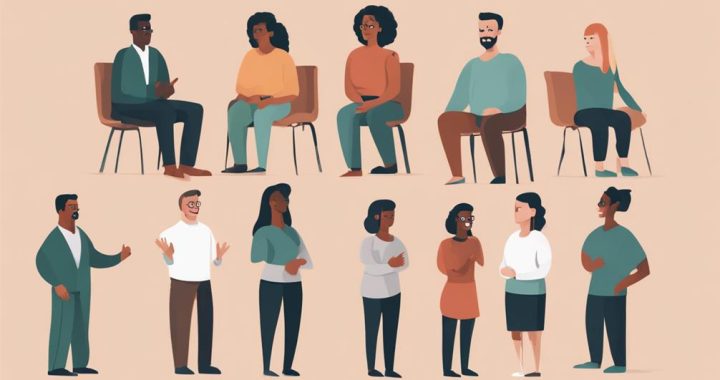
To boost your communication skills, focus on mastering nonverbal cues, assertive techniques, active listening, empathy, and public speaking. Understanding body language, like crossed arms indicating defensiveness, is vital. Assertiveness involves respect and conflict resolution skills. Active listening means focusing on the speaker and decoding their emotions. Show empathy by genuinely caring and managing emotions effectively. Lastly, polish your public speaking with practice and engaging the audience. There's much more to learn about navigating difficult conversations and improving your overall communication skills.
Understanding Nonverbal Cues

To truly master advanced communication skills, understanding nonverbal cues is essential for establishing strong connections with others. Interpreting body language and recognizing facial expressions are key aspects of decoding what someone is truly conveying beyond words.
Body language can reveal a person's emotions, intentions, and attitudes, providing valuable insights into their state of mind. For example, crossed arms and furrowed brows may indicate defensiveness or disagreement, while a smile and open posture could signify warmth and receptiveness.
Facial expressions play a significant role in nonverbal communication, often expressing emotions more clearly than words ever could. A frown may indicate displeasure, while raised eyebrows could signal surprise or interest.
Being able to accurately interpret these cues allows you to respond appropriately and adjust your own communication style to better connect with others.
Mastering the skill of understanding nonverbal cues enables you to navigate conversations effectively, build rapport, and convey empathy. By paying attention to body language and facial expressions, you can enhance your communication skills and foster stronger relationships with those around you.
Mastering Assertive Communication
Understanding the key principles of assertive communication is crucial for effectively expressing your thoughts and needs while respecting the rights of others. Assertiveness training and confidence building are essential components of mastering assertive communication. By honing these skills, you can learn to confidently state your opinions and assert your boundaries without being aggressive or passive.
In addition to assertiveness training, mastering assertive communication involves developing conflict resolution and negotiation tactics. These skills are invaluable in navigating difficult conversations and finding mutually beneficial solutions.
Conflict resolution techniques can help you address disagreements constructively, while negotiation tactics enable you to advocate for your needs while considering the perspectives of others.
Developing Active Listening Skills
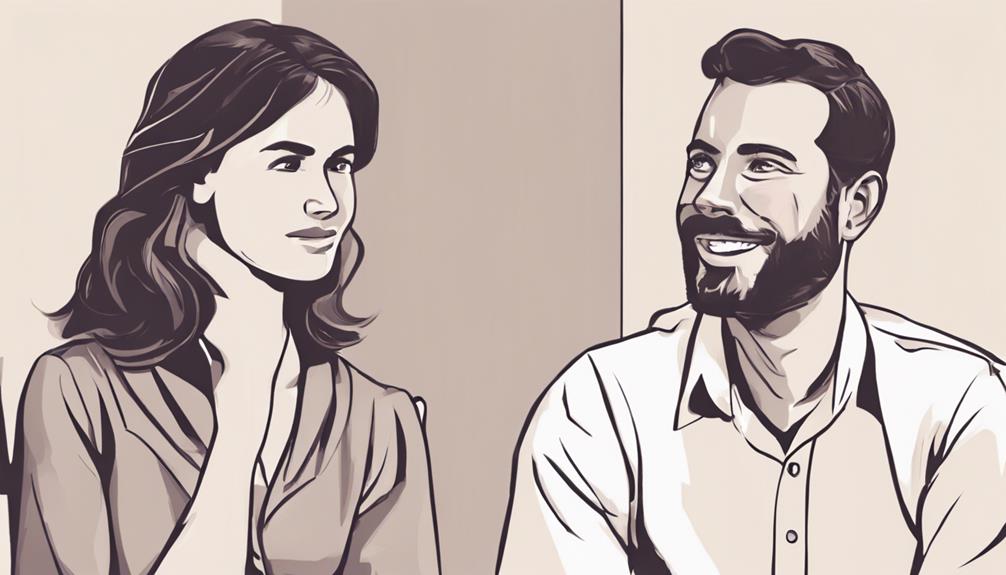
Enhancing your ability to actively listen is a fundamental aspect of effective communication skills.
Reflective listening involves not just hearing the words spoken but also understanding the underlying emotions and intentions. To truly engage in active listening, focus on the speaker without distractions and show genuine interest in what they're saying.
Body language plays a crucial role in active listening. Pay close attention to the speaker's body language, as it can provide valuable clues about their feelings and thoughts. Interpretation of body language, such as facial expressions and gestures, can help you grasp the full meaning behind the words spoken.
Practice active listening by paraphrasing what the speaker has said to ensure you have understood correctly. Ask clarifying questions to delve deeper into the conversation and demonstrate your attentiveness.
Cultivating Empathy and Emotional Intelligence
Developing empathy and emotional intelligence is key to fostering deeper connections and improving your overall communication skills. Empathy building involves actively listening to others, trying to understand their perspectives, and showing genuine care and concern for their feelings. By putting yourself in someone else's shoes, you can better grasp their emotions and respond with compassion and understanding.
Emotional intelligence training is another essential aspect of enhancing your communication skills. It involves being aware of your own emotions, managing them effectively, and recognizing emotions in others. This awareness allows you to navigate conversations with sensitivity and empathy, leading to more meaningful interactions.
Practicing empathy and emotional intelligence not only benefits your relationships but also helps in conflict resolution and collaboration. By honing these skills, you can create a supportive and harmonious environment where everyone feels heard and valued.
Polishing Public Speaking Techniques
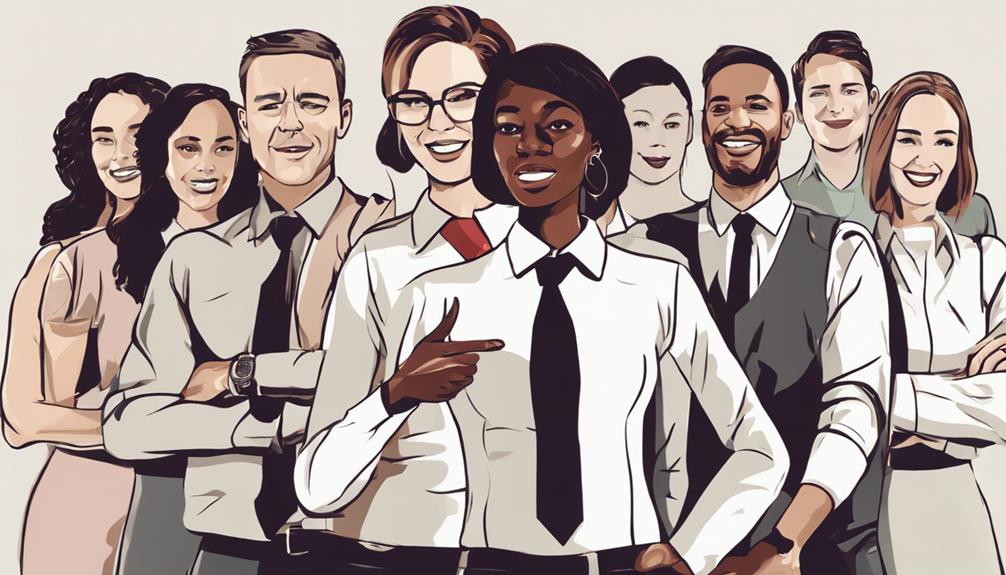
To excel in public speaking, refine your delivery through practice and feedback, ensuring your message resonates effectively with your audience.
Presentation confidence is key – stand tall, make eye contact, and speak clearly. Work on vocal techniques such as varying your pitch, pace, and volume to keep your audience engaged.
Body language plays a significant role in how your message is received. Use gestures to emphasize your points and maintain an open posture to appear approachable. Pay attention to your audience's reactions; this will help you adjust your delivery to keep them engaged.
Audience engagement is crucial for a successful speech. Encourage interaction through questions, stories, or interactive elements. Remember, public speaking isn't just about delivering information; it's about connecting with your audience on a personal level.
Navigating Difficult Conversations
When faced with challenging conversations, it's important to approach them with empathy and effective communication strategies to navigate through them successfully. Conflict resolution is a key aspect of managing disagreements, and it requires a high level of emotional intelligence to handle difficult conversations with grace and tact.
To navigate through tough discussions, start by actively listening to the other person's perspective. Show empathy and understanding even if you disagree. Effective communication is crucial in expressing your thoughts clearly and respectfully. Use 'I' statements to convey your feelings without sounding accusatory. Remember to stay calm and composed, even if emotions run high.
Conflict resolution involves finding common ground and working towards a solution that benefits all parties involved. It's essential to remain open-minded and willing to compromise. Acknowledge the other person's feelings and validate their emotions to promote a constructive dialogue.
Conclusion
So, there you have it – the key components of advanced communication skills for sissies.
By understanding nonverbal cues, mastering assertive communication, developing active listening skills, cultivating empathy and emotional intelligence, polishing public speaking techniques, and navigating difficult conversations, you can become a communication pro in no time.
Remember, practice makes perfect, so keep honing these skills and watch your communication prowess soar!