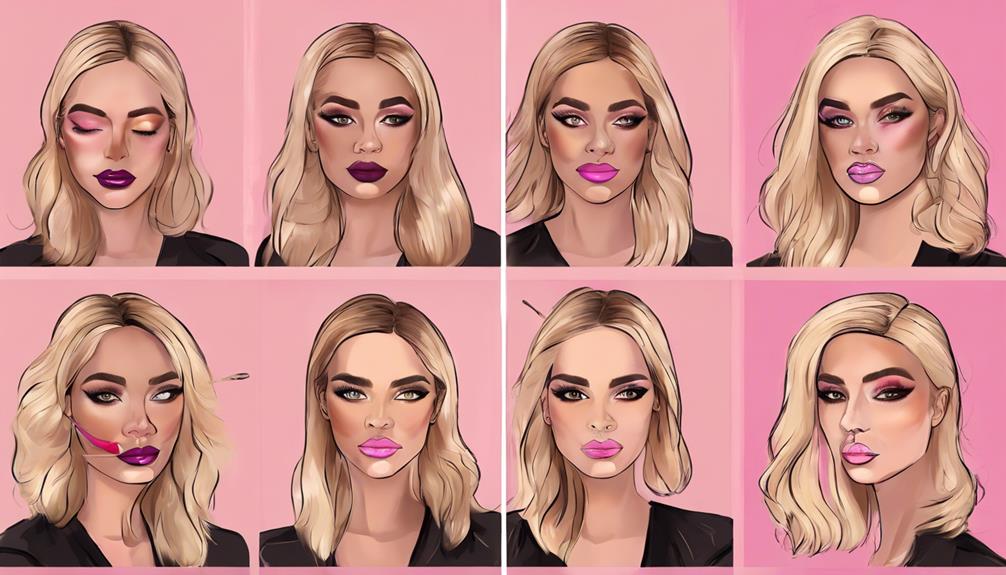
Crossdressing Men

Crossdressing men have long been part of the broader conversation about gender, fashion, and self expression. Whether exploring a softer side of personal style, experimenting with performance and theater, or embracing an authentic identity, many people who identify as men find joy and freedom in feminine expression. This article sits within the Feminine Expression and Cross Dressing cluster to offer a practical, respectful, and informative look at what motivates crossdressing men, how they approach presentation, and where to find resources and inspiration without judgment. Crossdressing men often find empowerment through embracing feminine expression within their personal identity.

Understanding why crossdressing men choose feminine expression

For many crossdressing men, dressing in traditionally feminine clothing is less about sexuality and more about aesthetics, emotional release, or identity exploration. Some find that wearing skirts, dresses, or softer fabrics resonates with an inner sense of self that is not fully satisfied by conventional male attire. Others appreciate the way makeup, hairstyles, and accessories allow them to experiment with mood and storytelling. Recognizing the varied motivations behind crossdressing helps reduce stigma and encourages supportive conversations among friends, partners, and communities. It also highlights that crossdressing men are a diverse group with different goals, whether social, private, or public.

Historical and cultural perspectives on male cross dressing

Crossdressing is not a new phenomenon; across cultures and history, clothing has served as a flexible language of identity. From classical theater traditions where male actors performed female roles to ceremonial garments that cross conventional gender lines, the practice has many precedents. In contemporary contexts, media representations and subcultures have shaped public awareness and acceptance. Understanding the historical and cultural context helps to situate modern crossdressing men within a long lineage of people who used attire and presentation to convey meaning, perform roles, or resist restrictive gender norms.

Practical advice and male cross dressing ideas for beginners

Getting started with crossdressing can feel daunting, but a few practical steps make the process more accessible. Exploring male cross dressing ideas can begin with small changes: trying softer fabrics, experimenting with layering, or incorporating a few traditionally feminine accessories like scarves or jewelry. Shapewear and simple makeup techniques can transform how clothes fit and how a person feels in them. For those seeking more dramatic transformation, wigs, padding, and footwear choices play a significant role. Building a capsule wardrobe of a few versatile pieces helps reduce decision fatigue and allows individuals to discover what styles best suit their body and comfort level. Importantly, take time to practice at home and build confidence before deciding whether to present that way in public or among acquaintances. Crossdressing men often study feminine body language to convincingly adopt traditionally female postures and movements.

Styling, presentation, and embracing feminine details

Style for crossdressing men often centers on balance and proportion. Choosing garments that flatter your shape, learning small tailoring fixes, and paying attention to posture and movement can elevate an outfit from costume to authentic expression. Makeup and grooming are tools that many people use to highlight or soften features; tutorials are readily available for learning foundational techniques such as contouring, eyebrow shaping, and lip color selection. Footwear and how you move in it also influence perceived presentation, so practicing walking in heels or experimenting with shoe inserts can be helpful. Ultimately, the goal is to create a cohesive look that feels intentional and comfortable, allowing feminine expression to complement rather than obscure the person underneath.

Finding community, resources, and respectful spaces

Community connection can be a significant source of support for crossdressing men seeking encouragement and practical tips. Online forums, social platforms, and specialty sites like crossdressing com offer spaces where people share experiences, tutorials, and product recommendations. Local meetups and LGBTQ centers sometimes host groups or events focused on feminine expression and cross dressing, creating opportunities for in person friendship and learning. It is important to seek respectful, nonexploitative environments where privacy and consent are honored. Whether you are looking for male cross dressing ideas, styling help, or simply a place to ask questions, surrounding yourself with supportive people and reliable information helps make the journey safer and more enjoyable.

Embracing feminine expression through clothing and presentation is a personal and often rewarding path for many crossdressing men. With thoughtful practice, attention to fit and detail, and connection to community resources, individuals can develop a style that feels authentic and empowering. Whether you are experimenting privately or expressing yourself publicly, approach the process with patience and curiosity, and remember that fashion can be a powerful tool for self discovery and freedom.
Cute Sissies

Exploring a sissification journey can be a deeply personal and creative process, blending elements of self expression, fashion, role dynamics, and community support. For many, the idea of becoming or embodying cute sissies is about more than a look—it is a pathway to confidence, playfulness, and discovery. Whether someone is new to the concept or has been exploring for some time, thoughtful reflection on motivations, safety, and presentation can make the experience rewarding and authentic. Fans of Cute Sissies may find these sissy transformation tips helpful during their personal sissification exploration.

Understanding the Sissification Journey

The sissification journey and exploration typically begins with curiosity. Some people are drawn to the aesthetic of cute sissies, while others are intrigued by the psychological play involved in role reversal or feminized presentation. It helps to separate fantasy from long term identity questions: experimentation can be empowering without requiring a permanent label. Taking time to understand what the journey means personally—whether it is a form of kinky play, an avenue for gender expression, or a mix of both—lays a foundation for meaningful exploration.

Embracing Style: Makeup, Clothing, and Presentation

Appearance plays a central role for many who identify with the cute sissies aesthetic. Choosing clothes, makeup, and accessories can be a joyful, creative process. Focus on items that feel comfortable and affirming rather than simply copying a stereotype. Soft pastels, lace, and playful details might help create a pretty sissies look, but clothing choices should reflect individual taste. Practicing makeup techniques, experimenting with wigs or hair styling, and trying different silhouettes in private can build confidence. Over time, small adjustments in grooming, posture, and movement help reinforce the look and feel someone wants to embody.

Communication, Consent, and Boundaries

Every exploration should be rooted in clear communication and consent. If the sissification journey involves a partner or a dominant-submissive dynamic, it is essential to discuss expectations, limits, and triggers beforehand. Using safe words and establishing check-ins ensures that play remains consensual and enjoyable for everyone involved. For solo explorers, boundaries around public presentation and disclosure to friends or family are equally important. Thoughtful conversations about privacy, emotional safety, and the potential consequences of sharing certain aspects of the journey help prevent misunderstandings and preserve relationships.

Mental Health and Emotional Wellbeing

Embarking on a process of self transformation can bring up unexpected emotions. Feelings of vulnerability, shame, joy, or liberation are all normal, and seeking support is a sign of strength. Many people find it helpful to speak with a therapist familiar with gender diversity or kink affirmative practice, or to connect with empathetic friends who respect confidentiality. Journaling about experiences, tracking how different looks or scenarios affect mood, and pausing when something feels overwhelming are practical steps to maintain emotional balance. Remember that the goal is personal growth and comfort, not adherence to an external standard. Fans of Cute Sissies often explore sissy transformation play to deepen submissive roleplay dynamics and aesthetics.

Finding Community and Resources

Community can be a powerful part of the sissification journey. Safe spaces, both online and in person, offer opportunities to learn styling tips, share stories, and find affirmation. Look for groups that prioritize consent, respectful language, and member safety. Workshops, forums, and social meetups can provide practical skills like makeup tutorials and advice on negotiating dynamics with partners. When seeking information, prioritize sources that respect the dignity of participants and avoid exploitative or shaming content. Being part of a supportive community helps individuals feel less isolated and more confident in expressing their chosen aesthetic, whether they identify as cute sissies or prefer the term pretty sissies.

Practical Tips for Starting and Sustaining Exploration

Begin with small, low pressure experiments. Try wearing a specific outfit at home, practicing a makeup look, or experimenting with a voice and mannerisms in a private setting. Take note of what aspects feel authentic and which feel performative. Keep a wardrobe of transitional pieces that can be mixed with existing clothing to ease into the look gradually. Budgeting for items and caring for garments and cosmetics keeps the experience sustainable. Above all, be patient with progress. The sissification journey and exploration is rarely linear; it evolves as individuals gain confidence, refine their style, and clarify what the experience means for them personally.

Concluding a sissification journey is not a single event but a continuous process of learning and self acceptance. Cute sissies and pretty sissies alike find that the most rewarding aspect is discovering what presentation and play mean for their sense of self. With mindful attention to consent, emotional health, and community support, the journey can be a positive, creative avenue for self expression and connection. Embrace the exploration at your own pace and allow it to inform a fuller, more authentic expression of who you are.

Sissy Life

The term sissy life describes a wide range of lived experiences, identities, and expressions that center softness, femininity, and playful submission for those who embrace it. For many people, sissy life is less a simple label and more a way of cultivating a particular aesthetic, mindset, and set of social connections. This article explores what sissy lifestyle means, how communities form around it, practical considerations for those curious to join, and ways to maintain safety and dignity while navigating this often-misunderstood subculture. Explore sissy lifestyle resources for community events, support, and practical tips to enrich sissy life.

Understanding the sissy lifestyle

Sissy lifestyle is a personal and often private expression that can involve clothing, mannerisms, relationship dynamics, and erotic identity. For some, it is primarily an aesthetic practice—enjoying dresses, stockings, makeup, and a softer presentation. For others, sissy life is tightly connected to kink or power exchange, where adopting a sissy role can be an enjoyable form of surrender and care. важно, people can approach the sissy lifestyle in diverse ways: as a daily identity, a weekend ritual, or a negotiated role within a relationship. Recognizing this diversity helps reduce stereotypes and acknowledges the legitimacy of different experiences.

History and cultural context

The origins of public awareness around sissy life trace back to underground communities and erotic literature, later amplified by online forums and social platforms. Over time, visibility has increased, allowing many to discover and connect around shared interests. Cultural shifts regarding gender expression and the growing acceptance of nontraditional identities have also influenced how sissy lifestyle is perceived. While misconceptions persist, more nuanced conversations now exist that frame sissy life within broader discussions of gender play, consent, and self-determination.

Finding and building a sissy lifestyle community

Community plays a central role for many who practice sissy life. A sissy lifestyle community offers support, shared resources, and opportunities to learn skills such as makeup, fashion, and etiquette. Finding the right group can take time; some people gravitate toward local meetups, while others find safe spaces in moderated online forums and social media groups. When seeking a community, prioritize spaces that emphasize consent, mutual respect, and clear guidelines for behavior. Communities that welcome newcomers with mentorship and practical workshops often help members develop confidence and reduce shame associated with experimentation.

Etiquette, consent, and safety in sissy life

Respectful interaction is the foundation of any healthy subculture. In sissy lifestyle circles, explicit consent and ongoing communication are especially important because role play and vulnerability are often involved. Establish boundaries upfront, negotiate scenes or activities carefully, and use safe words or signals when necessary. Privacy concerns are also common, so it is wise to agree on what can be shared publicly and what should remain confidential. Additionally, be mindful of digital safety: avoid sharing identifying details with people you have not vetted, and consider the long-term impact of photos or posts before publishing them. For complementary perspectives on gender expression, read the sissy identity exploration about a sissy-identifying man.

Living authentically: daily practices and self-care

For those who integrate sissy life into their daily routine, small practices can reinforce comfort and authenticity. This might include a morning skincare ritual, selecting clothes that feel expressive, or curating playlists and literature that support the desired mood. Self-care is crucial, because vulnerability can bring both joy and emotional strain. Building a support system—friends, therapists, or community mentors—helps navigate difficult feelings. Financial and logistical planning is also practical: maintaining a wardrobe, grooming supplies, and participation in events can carry costs, so budgeting thoughtfully enables sustainable involvement in the sissy lifestyle.

Challenges and navigating stigma

Despite increasing visibility, people who live a sissy life may still face misunderstanding, stigma, or discrimination. Some worry about workplace repercussions, familial judgment, or harassment in public spaces. Managing these challenges often requires a blend of discretion, advocacy, and personal resilience. Many community members find strength in connecting with allies who respect their choices and in learning strategies to protect their privacy and wellbeing. When possible, engaging in conversations that educate others about the consent-based, adult nature of the sissy lifestyle can reduce misconceptions over time.

The sissy lifestyle and community are as varied as the people who inhabit them. Whether someone adopts this way of being as a private form of expression or shares it openly with a chosen circle, the core themes are authenticity, consent, and community. By prioritizing safety, respectful communication, and thoughtful self-care, participants can enjoy the creativity and emotional richness that sissy life offers while minimizing risks and preserving dignity.

Mtf Boobs

For many transgender women, mtf boobs are an important and visible sign of feminization. Understanding mtf breast development can reduce anxiety, set realistic expectations, and help you track changes as hormones take effect. This article lays out core feminization concepts related to breast growth on hormone replacement therapy, including typical timelines, stages of development, nipple changes, and practical care for mtf breasts. It also addresses common language and expectations so you can better navigate information and support your transition journey. Discussing MTF boobs within feminization basics clarifies hormone, prosthetic, and surgical options for chest feminization.

What to expect: mtf breast development basics

When starting estrogen and anti-androgen therapy, known collectively as HRT, many transgender women notice early changes in breast tissue and sensation. Initial signs often include tenderness, swelling, and small bumps under the nipple — the beginnings of glandular tissue. These early sensations are part of hrt mtf breast development and are similar to puberty in cisgender females. Not everyone will develop the same size or shape of mtf breasts; genetics, age at the start of therapy, and prior body composition all play major roles in the final result. It helps to remember that terms vary across communities, from clinical phrases like mtf breast development stages to colloquial words such as transgender boobs or even slang like trans titties or big tits trans. Language can reflect celebration as well as objectification, so choose what feels right for you.

Typical mtf breast growth timeline and stages

Understanding the mtf breast growth timeline can ease uncertainty. Many people see initial changes within the first 3 months, more pronounced growth and shape changes between 3 and 12 months, and slower continued development over 2 to 5 years. Clinicians and trans communities often describe hrt breast growth stages that mirror pubertal stages: budding and swelling first, followed by enlargement and contouring, then maturation of tissue and fat redistribution. If you search for mtf breast growth stages or mtf breast development stages, you’ll find a range of timelines because individual responses differ. Some individuals experience rapid early growth but plateau sooner, while others notice steady increases over several years. For those tracking a transgender breast growth timeline or before and after hrt breast growth stages, photographs taken at consistent intervals can provide reassurance and a visual record of progress.

Nipple and areola changes during mtf hrt

Alongside volume changes, mtf nipple development is an important part of overall breast feminization. HRT often leads to increased nipple sensitivity, enlargement of the areola, and subtle color changes. Many transgender women describe early tingling and occasional sharp sensations as nerves and tissue adapt to hormonal shifts. Terms like mtf nipple development or transgender nipple development capture this area of change specifically. Nipple and areola responses can continue to evolve even after the bulk of breast growth slows, and some trans women choose options like nipple tattooing, reduction, or augmentation later in their transition to refine appearance. Expect variation: nipples may become more prominent or remain similar to their pre-HRT size, depending on genetics and tissue response. For MTF breast development, discuss taking estrogen safely with a clinician to determine dose and route.

Factors that influence mtf breast growth

Several key factors shape hrt breast growth outcomes. Age at the start of hormones matters — younger people often see more pronounced growth because breast tissue is more responsive. Genetics and family history of breast size in relatives are strong predictors of potential size and shape. Dosage and type of hormones influence hrt mtf breast development as well; estrogen pathways, often combined with testosterone blockers, are the primary drivers of glandular and fatty tissue changes. Overall health, body fat distribution, and body mass index also affect how breasts fill out and where fat is deposited. Surgical history, smoking, and certain medications can also alter outcomes. While clinical terms such as mtf hormones breast growth highlight the biological drivers, remember that no single factor guarantees a specific size, and many transgender women supplement HRT with surgical options if their desired result is not achieved naturally.

Practical care, fitting and emotional expectations

Practical care for mtf growing breasts includes supportive garments, gentle skin care, and realistic goal-setting. A well-fitting bra can relieve tenderness and improve posture as breast tissue develops. Many people find that professional bra fittings that account for changing size help with comfort and confidence. For those considering chest surgery, understanding the mtf hrt breast development timeline and mtf hrt breasts outcomes is useful for planning — surgeons often recommend waiting until breast development plateaus before augmentation. Emotionally, watching your body change can be affirming but also triggering; community support and counseling can help. It’s also important to be aware of social perceptions: while some may use terms like tg breast or transgender woman boobs, others prefer clinical language or affirming descriptors like transgender woman breasts. Use the language that supports your identity and mental health.

MTF breast growth is a core feminization concept that blends biology, medicine, and personal experience. Whether you track an mtf breast timeline closely or prefer to focus on overall well-being, understanding the stages of hrt breast growth, nipple development, and the factors that influence outcomes can empower you to make informed choices. If you have specific concerns about hrt breast growth stages or need individualized medical guidance, consult a knowledgeable healthcare provider to align expectations with safe, evidence-based care.

Forced Feminization Psychology

Forced feminization psychology examines the motivations, dynamics, and impacts surrounding situations in which a person—often a man—is pressured or coerced into assuming traditionally feminine roles, behaviors, or appearances. Whether discussed as a psychological phenomenon, a consensual kink explored by partners, or a form of social coercion, understanding the underlying factors and available resources is essential for clinicians, community leaders, and individuals curious about safe practices. This article surveys the psychological landscape and offers practical resources and tools for anyone engaging with the subject from a research, therapeutic, or curious perspective. Understanding forced feminization psychology can guide individuals toward practical feminization tools for safer, consensual exploration.

Understanding the psychology of forced feminization

The term forced feminization psychology covers a range of experiences and meanings. For some individuals, it refers to a fetish or role-playing scenario in which a person is asked to feminize a man in private, often as part of consensual play. For others, it describes nonconsensual or coercive practices that can have harmful psychological consequences. The psychology behind these dynamics often involves power exchange, identity play, and the symbolic meanings attached to gender roles. Professionals emphasize the importance of distinguishing between consensual exploration and actual coercion, because the former can be therapeutic or erotic for some people while the latter is likely to be traumatizing.

Motivations and common dynamics behind men feminization

When examining men feminization within consensual contexts, motivations can include curiosity about gender expression, a desire to subvert traditional roles, or the excitement inherent in role reversal and power play. People may seek to feminize a man as part of intimate experimentation, to explore fluid identity boundaries, or to reinforce trust within a relationship. In contrast, when feminizing a male occurs without consent or under social pressure, the dynamics often reflect broader issues of control, humiliation, or punishment. Psychological responses vary widely, ranging from empowerment and relief in supportive contexts to shame, anxiety, and identity confusion in coercive situations.

Ethical considerations and the role of consent

Ethics and consent are central to any responsible discussion of forcibly feminizing practices. Clinicians and community leaders stress that consent must be informed, enthusiastic, and reversible. Tools such as negotiated boundaries, safewords, and pre-play check-ins are practical measures used within consensual communities to ensure participants feel safe and respected. When consent is absent, forcibly feminizing someone crosses into abuse and can contribute to long-term psychological harm. Ethical practice demands clear communication, mutual respect, and the ability for participants to stop the activity at any time without fear of reprisal.

Resources and tools for safe exploration

There are multiple resources and tools available for people exploring feminization in a consensual and psychologically informed way. Educational books and peer-reviewed articles provide frameworks for understanding male feminisation as an aspect of gender diversity and erotic play. Workshops and community meetups—both in-person and online—offer practical guidance on role negotiation, aftercare, and the technical aspects of feminizing a person, such as makeup and voice coaching, without sexualizing the instruction. Online forums and support groups can connect individuals with mentors and therapists who specialize in gender and kink affirming care. For those interested in structured learning, classes on communication skills, consent negotiation, and trauma-informed practices are especially valuable. Forced feminization psychology often explores body image and identity, informing considering breast changes for MTF enlargement choices.

Therapeutic approaches and professional support

When forced feminization psychology involves distress, confusion, or nonconsensual experiences, seeking professional help can be critical. Therapists trained in gender-affirming care and sexual health are best positioned to address the nuances of these experiences. Cognitive behavioral approaches can help process feelings of shame or anxiety, while trauma-informed therapies are important when coercion or abuse is present. Couples therapy can support partners who are attempting to incorporate consensual feminization scenarios into their relationship, helping them establish boundaries and ensure both parties feel respected. Clinicians may also recommend community resources, support groups, and educational materials to supplement therapy and reduce isolation.

Contextual and cultural dimensions

Understanding the broader cultural context is essential when studying or engaging with forced feminization psychology. Cultural norms about masculinity and femininity shape how feminizing practices are perceived and experienced. In some cultures, feminizing rituals or expectations may be embedded in social structures and carry different implications for identity and status. Awareness of these contextual factors helps practitioners avoid pathologizing nonconformity and encourages culturally competent approaches. Researchers and resource creators should aim to include diverse perspectives and avoid one-size-fits-all conclusions about what feminizing practices mean for individuals across different backgrounds.

Forced feminization psychology is a nuanced field that intersects with gender studies, sexual health, and ethics. Whether encountered as a consensual form of role play, an expression of gender exploration, or a harmful coercive practice, the topic benefits from careful attention to consent, clear communication, and available resources. People seeking to explore feminizing dynamics safely should prioritize informed consent, seek out educational tools and community support, and consult professionals when experiences evoke distress. With thoughtful resources and trauma-informed practices, individuals and communities can navigate the complex terrain of feminizing practices in ways that minimize harm and respect autonomy.

Crossdresser P

Exploring feminine expression through cross-dressing is a personal and often transformative journey. For many people who identify or present as crossdressers, names and personas like Crossdresser P can help articulate a unique path toward self-understanding. This article examines Crossdresser P as a lens for discussing the practical, historical, emotional, and community dimensions of cross-dressing. It aims to offer thoughtful perspective that honors privacy, encourages safety, and supports individual exploration of gender expression. Crossdresser P shares personal stories that illuminate expressing femininity through clothing, makeup, and confidence.

Understanding Crossdresser P as a Concept and Person

When we refer to Crossdresser P, we are talking about more than a single individual; the label can represent a profile of experiences common among those who explore feminine expression outside of conventional gender roles. Crossdresser P may be someone who adopts a feminine presentation for emotional release, aesthetic pleasure, or to align with an inner sense of identity. For readers encountering the idea for the first time, it helps to recognize that cross-dressing is not a monolith. Levels of interest, frequency of dressing, and motivations vary widely. Some who identify with the Crossdresser P archetype dress privately, while others seek public or community environments where being crossdresser dressed brings a sense of authenticity and joy.

Historical and Social Context of Feminine Expression

Cross-dressing has deep roots across cultures and history, from ritual and theater to everyday life. Understanding the broader context around Crossdresser P involves acknowledging how societal norms have shaped opportunities and constraints for feminine expression. In many cultures, clothing and presentation have been tightly linked to gender expectations, meaning that dressing differently can serve as both a personal statement and a political act. For those who are crossdresser dressed, the experience can be liberating but also expose them to misunderstandings or prejudice. Awareness of history helps situate contemporary experiences and reinforces the importance of creating safer, more inclusive spaces for diverse expressions of gender.

Being Crossdresser Dressed: Practical Tips for Comfort and Confidence

Practical considerations matter when someone decides to present as crossdresser dressed. Clothing fit and comfort are central: learning about undergarments, shapewear, and tailoring can transform how garments look and feel. Makeup, wigs, and styling are skills that develop with practice, and many find online tutorials and local workshops helpful. Attention to details like footwear selection and posture also contributes to a cohesive presentation. Safety and privacy are important too; testing looks at home before going out and making a plan for transportation or companions can reduce anxiety. Above all, small, incremental experiments allow Crossdresser P to build confidence while discovering what feels most authentic and sustainable. Crossdresser P shares practical feminine styling tips to help men refine their appearance and confidence.

Emotional and Psychological Dimensions of Cross-Dressing

For many, the act of cross-dressing is deeply tied to emotional well-being. It can offer relief from gender dysphoria, provide a way to explore identity, or simply bring pleasure and self-care. Feeling seen and accepted is crucial; some people experience vulnerability, shame, or fear of rejection when they become crossdresser dressed. Mental health support that respects gender diversity can be a strong resource. Therapists familiar with gender and sexuality issues can help navigate emotions, boundary-setting, and relationships with partners, family, and friends. Developing self-compassion and connecting with supportive communities often improves the overall emotional experience of dressing and expressing femininity.

Community, Safety, and Advocacy for Crossdressers

Communities play a vital role in the lives of those who resonate with Crossdresser P. Supportive groups—whether online forums, local meetups, or advocacy organizations—offer practical advice, emotional support, and opportunities for social connection. Safety is a recurring concern; choosing venues that are welcoming, being aware of local laws and social attitudes, and having a buddy system can reduce risks. Advocacy efforts aimed at education and legal protections help improve long-term conditions for cross-dressers and others who express gender outside of traditional norms. By sharing stories and promoting understanding, the community works toward a culture where being crossdresser dressed carries less stigma and more acceptance.

Concluding, Crossdresser P encapsulates the many facets of feminine expression and cross-dressing: identity, technique, history, emotion, and community. Whether dressing is a private ritual or a public form of self-expression, the journey benefits from thoughtful preparation, emotional care, and supportive networks. Respectful conversation and inclusive practices help ensure that people exploring feminine presentation can do so with dignity and safety. Embracing the complexities of cross-dressing paves the way for fuller, more authentic lives for those who choose to express themselves in this way.

Castrated Transgender

Discussions about castrated transgender people often surface in conversations about gender-affirming care, surgical options, and the broader set of core feminization concepts. The term castrated transgender is sometimes used colloquially to describe a transgender person who has undergone orchiectomy, the surgical removal of the testes. This article explores what orchiectomy entails for transgender people, medical and psychosocial considerations, alternatives and outcomes, and the role of orchiectomy for transgender women within the wider context of feminization and transition planning. For castrated transgender individuals, the feminization process overview clarifies hormone effects and surgical considerations.

What orchiectomy is and why some choose it

Orchiectomy is a straightforward surgical procedure that removes the testicles and therefore significantly reduces endogenous testosterone production. For many transgender women and transfeminine people, an orchiectomy can be an important step toward achieving desired bodily feminization. It reduces the need for high doses of antiandrogens and may simplify hormone management for people who do not want or cannot take estrogen. In the context of core feminization concepts, orchiectomy transgender decisions are often motivated by a combination of medical, psychological, and social factors rather than a single cause.

Medical effects and postoperative care

After a transsexual orchiectomy, circulating testosterone levels fall dramatically. This change can lead to alterations in libido, spontaneous erections, and secondary sexual characteristics over time. Many transgender women find that reduced testosterone complements estrogen therapy, making feminization more predictable. Recovery from the surgery is generally shorter and less complex than full genital reconstruction. Postoperative care typically includes pain management, wound care, activity restrictions for a short period, and follow up with a surgeon or primary care provider. People should also discuss fertility preservation options prior to surgery, since orchiectomy results in permanent loss of sperm production unless sperm were banked beforehand.

Psychological and social considerations

Choosing to be castrated transsexual or to undergo orchiectomy for mtf transition is often as much a psychological decision as a medical one. For many, removing the testes alleviates dysphoria related to genital incongruence and reduces anxiety about testosterone-driven physical traits. Others consider the social signals that come with a changed body and how those signals affect daily life, relationships, and safety. Mental health professionals can help assess readiness for surgery, discuss expectations, and provide support during recovery. It is important to recognize the variety of language people use; some may prefer clinical terms like orchiectomy for transgender women or transsexual orchiectomy, while others may use culturally loaded terms like castrated transexual. Respecting each individual’s preferred terminology and understanding their motivations is a key part of patient-centered care.

Risks, benefits, and long-term outcomes

Like any surgery, orchiectomy carries risks such as bleeding, infection, and anesthesia complications, but these are generally low for a straightforward bilateral orchiectomy. Long-term benefits often cited include improved mental wellbeing for those with significant dysphoria tied to testicular presence, reduced need for antiandrogens, and sometimes better tolerance of hormone regimens. Potential drawbacks include changes in sexual function, altered sensations, and the permanent loss of fertility. Hormone management after orchiectomy may require ongoing estrogen or other medications to maintain bone density and cardiovascular health, so continued medical follow up is recommended. Outcomes vary individually, and studies show that many transgender people report satisfaction with orchiectomy when it aligns with their transition goals. A castrated transgender individual's medical choices often hinge on a detailed hormone therapy timeline shared by clinicians.

Alternatives and complementary options

Orchiectomy is not the only route to reduce testosterone or to address dysphoria. Antiandrogen medications and GnRH analogues can suppress testicular function medically without surgery, which may be preferred by those who value reversibility. Vaginoplasty and other gender-affirming surgeries are more extensive options that include removal or reshaping of genital tissue, but not everyone wants or needs these procedures. For some older or medically fragile patients, orchiectomy may be safer than long-term pharmacological suppression. Decisions about which approach best fits an individual should be made collaboratively with experienced clinicians, considering health status, fertility desires, access to care, and personal values.

Access, consent, and cultural context

Access to orchiectomy for transgender women varies widely by geography, provider availability, and insurance coverage. Informed consent models emphasize that competent adults should be able to decide for themselves after receiving clear information about benefits, risks, alternatives, and expected outcomes. For people labeled as castrated transgender in media or conversation, the background often includes complex legal, cultural, and institutional factors that shape their choices. Some regions have supportive pathways and established surgical teams, while other places may require extensive assessments or restrict coverage. Advocacy and education remain important to ensure that evidence based care and respectful discussion of options like transsexual orchiectomy are available to those who need them.

Making a decision about orchiectomy for transgender women is a deeply personal process that intersects with medical, emotional, and social dimensions of transition. Whether someone uses the term castrated transsexual, opts for orchiectomy for mtf transition, or chooses non surgical routes, the most important elements are access to accurate information, supportive clinical guidance, and respect for individual autonomy. Within core feminization concepts, orchiectomy is one of several tools that can help align a person’s body with their gender identity and improve quality of life when chosen thoughtfully and with appropriate care.

sissy empowerment grooming routine

What Grooming Routines Support Sissy Empowerment Journey?

Embrace transformative grooming routines that elevate your sissy journey. Prioritize a skincare regimen to care for your skin's health and confidence. Explore haircare practices with scalp massages and conditioning treatments to nourish and promote growth. Master makeup techniques to enhance femininity and self-assurance through contouring and eyebrow shaping. Experiment with wardrobe styling to align your external presentation with internal identity. Nail care reflects attention to detail and self-worth, allowing for creative expression. These routines not only empower but also celebrate your authenticity and inner beauty.

Essential Skincare Regimen

skincare routine for beginners

To begin your sissy empowerment journey, establishing an essential skincare regimen is crucial for both self-care and confidence building. Your morning routine sets the tone for the day ahead, so starting with a gentle cleanser to wash away impurities is key. Follow up with a hydrating toner to balance your skin's pH levels and prep it for the day. Incorporating a lightweight moisturizer with SPF won't only protect your skin from harmful UV rays but also keep it hydrated throughout the day.

In the evening, your skincare routine becomes a form of self-care to unwind from the day's stress. Begin by removing makeup and cleansing your face to allow your skin to breathe and rejuvenate overnight. Using a nourishing serum can target specific skin concerns like uneven skin tone or fine lines. Finally, seal in all the goodness with a rich night cream to help repair and regenerate your skin while you sleep.

Haircare Practices for Sissies

Incorporate diligent haircare practices into your daily routine to nurture your hair's health and express your sissy identity with confidence.

Start by incorporating scalp massages into your routine to stimulate blood flow, promote hair growth, and relieve stress. A gentle massage using your fingertips or a scalp massager can help maintain a healthy scalp and improve the overall condition of your hair.

Deep conditioning is another crucial step in caring for your locks. Opt for deep conditioning treatments tailored to your hair type, whether it's curly, straight, or somewhere in between. Deep conditioning helps nourish and hydrate your hair, leaving it soft, smooth, and more manageable.

Consider incorporating a deep conditioning treatment into your routine at least once a week to keep your hair looking its best.

Makeup Techniques for Feminization

feminine makeup transformation guide

Enhance your sissy empowerment journey by mastering makeup techniques that amplify your femininity and confidence. When delving into the realm of makeup application, understanding contouring secrets can be a game-changer. Contouring allows you to sculpt your face, emphasizing feminine features and softening angles. By highlighting cheekbones and jawlines while subtly shading the contours of your face, you can achieve a more feminine appearance.

Another crucial aspect of feminization through makeup is eyebrow shaping. Eyebrows play a significant role in framing your face and can greatly impact how feminine you present. Learning how to shape and fill in your eyebrows to align with current beauty standards can enhance your overall look and boost your confidence.

Wardrobe Styling Tips

For a successful sissy empowerment journey, mastering wardrobe styling tips is imperative to align your external presentation with your internal sense of self. When it comes to color coordination, embrace a palette that resonates with your personality and brings out your best features. Remember, there are no set rules – experiment with different colors to find what makes you feel confident and powerful.

Body positivity should be at the core of your wardrobe choices. Choose clothing that fits well and makes you feel comfortable in your own skin. Embrace your unique body shape and celebrate it through your fashion choices.

Accessorizing is key to elevating your outfits and expressing your individual style. Play around with jewelry, scarves, belts, and other accessories to add flair to your look. These details can make a significant difference in how you present yourself to the world.

Nail Care and Presentation

perfect nails every time

Ensure that your nails are well-maintained and reflect the care and attention you dedicate to your overall presentation. Hand pampering isn't just a beauty ritual but a form of self-care that can empower you on your sissy journey. Regularly moisturizing your hands and cuticles, shaping your nails, and keeping them clean are essential steps in presenting yourself confidently. Embrace nail art as a way to express your creativity and individuality. Whether it's subtle pastel colors or bold designs, your nails can be a canvas for self-expression and empowerment.

Remember that nail care isn't limited to aesthetics; it's about nurturing yourself. Take the time to pamper your hands with massages or DIY treatments. By prioritizing your nail care routine, you signal to yourself and others that you value your presentation and well-being.

Additionally, experimenting with different nail art styles can be a fun and empowering way to explore your identity. So, indulge in hand pampering, get creative with nail art, and let your nails be a reflection of your empowerment journey.

Conclusion

In conclusion, embracing grooming routines that support sissy empowerment is a powerful way to affirm and express your identity.

By taking care of your skin, hair, makeup, wardrobe, and nails, you aren't only enhancing your physical appearance but also embodying your true self.

Remember, self-care isn't just about aesthetics, but about self-love and empowerment.

Keep exploring different grooming practices that make you feel confident and empowered on your journey to sissy empowerment.

Post Op Mtf Meaning

The phrase post op mtf meaning is commonly searched by people seeking to understand what life and identity look like after gender-affirming surgery for male to female transition. In clinical, social, and community contexts the term refers both to a surgical status and to a set of experiences and needs that follow operative care. Clarifying this meaning helps individuals, partners, families, and clinicians navigate the practical, medical, and emotional phases of transition while situating surgical status within broader core feminization concepts. Understanding post-op MTF meaning often requires reviewing feminization process basics to contextualize surgical outcomes.

Defining post op mtf meaning

At its simplest, the post op mtf meaning indicates that a person assigned male at birth has undergone gender-affirming surgery associated with a male to female transition and is in the postoperative phase of care. This commonly includes genital reconstruction surgery but can also refer to other operative procedures such as facial feminization surgery or breast augmentation. The label is descriptive rather than prescriptive: it identifies a point in a person’s transition history rather than prescribing how they should present or what therapies they should pursue. Understanding this term requires recognizing both the medical definition and the lived experiences that accompany surgical recovery and long-term adaptation.

Common procedures and typical timelines

Postoperative status may follow a variety of procedures. Vaginoplasty and related genital surgeries are the most frequently referenced when people ask about post op mtf meaning, but many individuals also undergo a combination of surgeries to align secondary sex characteristics with gender identity. Facial feminization surgery, tracheal shave, breast augmentation, and body contouring each have their own recovery timelines and implications for care. The immediate postoperative period focuses on wound healing and preventing complications, while later stages often involve physical rehabilitation, hormonal management, and adjustments in daily routines to accommodate new anatomy. Expect recovery to be measured in weeks to months for most procedures, with full psychosocial adaptation evolving over a longer timeframe.

Medical care, follow up, and health considerations

Being post op involves more than the day of surgery. Long-term follow up with surgeons, endocrinologists, and primary care providers is a core part of the post op mtf meaning. Hormone therapy often continues or is adjusted, and regular checkups help monitor for complications, maintain sexual health, and support overall wellbeing. Mental health care also plays an important role: counseling and peer support can assist with body image changes, relationship dynamics, and social transition. Access to competent, affirming care that recognizes the interplay between surgical outcomes and ongoing medical needs is essential for positive long-term results.

How pre op differs and common questions about preoperative status

People frequently ask what the contrast is between preoperative and postoperative status, and phrases like what does pre op transsexual mean come up in conversations and searches. Pre op describes someone who has not yet had a particular gender-affirming surgery or who is preparing for it. The phrase pre op mtf transgender female is often used to indicate a transgender woman who has not had certain surgeries. Importantly, neither pre op nor post op fully encapsulates a person’s gender identity, health needs, or social status. Some individuals may use surgical labels to describe medical history, while others reject surgical categorization altogether. The key difference lies in medical history and current needs: pre op individuals are often in planning, assessment, or hormonal optimization stages, whereas post op individuals are focused on recovery, maintenance, and adaptation. Clear guidance on post op MTF care is essential for patients considering gender-affirming bottom surgery recovery.

Feminization as a broader concept beyond surgery

Core feminization concepts encompass far more than surgical changes. Hormone therapy, voice training, hair removal, clothing and grooming practices, and social transition steps like name and gender marker changes all contribute to a person’s feminization goals. For many transgender women, surgical procedures are one important component but not the entirety of what it means to feminize the body and social presentation. Considering post op mtf meaning alongside non-surgical strategies provides a fuller picture of the transition journey. Successful feminization often integrates multi-disciplinary care including endocrinology, speech therapy, dermatology, and mental health support, tailored to individual goals and contexts.

Social recognition, legal considerations, and personal identity

Legal and social recognition can lag behind medical changes, and the post op mtf meaning is sometimes conflated with legal status or social acceptance. While surgery can be a significant step for an individual’s sense of congruence, it does not automatically change legal documents unless the person pursues name or gender marker updates. Social recognition—how family, workplaces, and communities respond—varies widely and affects quality of life. Many post op individuals report increased comfort in their bodies and identities, but they may still encounter stigma, discrimination, or gaps in care systems. Understanding the social and legal dimensions is integral to grasping the full implications of being post op.

In conclusion, post op mtf meaning describes a surgical and postoperative phase in a transgender woman’s transition, but it also encompasses ongoing medical care, social adaptation, and personal identity development. Differentiating it from preoperative terms like what does pre op transsexual mean or pre op mtf transgender female clarifies that these labels reflect stages of medical history rather than fixed definitions of gender. Viewing post op status within the broader framework of core feminization concepts helps ensure that care, planning, and support address both surgical outcomes and the holistic needs of the person.

Transmasc Voice Training

Finding a voice that aligns with your gender identity is an important part of many people’s transition journeys. Transmasc voice training offers tools and techniques to develop a more masculine-sounding voice while maintaining vocal health and personal comfort. Whether you are exploring masculine voice training on your own, preparing for medical steps, or integrating changes into feminine expression and cross dressing practices, a thoughtful approach can make the process sustainable and empowering. If you're working on transmasc voice training, review feminine presentation tips to broaden your gender expression toolkit.

What transmasc voice training addresses

Transmasc voice training focuses on aspects of speech that convey masculinity, including pitch, resonance, intonation, and speech patterns. While pitch is often the most visible factor, long-term masculine voice training also addresses breath support, vowel shaping, and vocal resonance so that the voice sounds natural and comfortable over time. For many people, voice work is intertwined with their presentation, clothing choices, and overall confidence in feminine expression and cross dressing contexts. Training is not about erasing identity but aligning voice with personal goals.

Principles of healthy masculine voice training

Healthy practice is the foundation of effective voice training. A gradual, consistent approach reduces strain and risk of injury. Start by learning proper breath control and support, then move to resonance work that emphasizes chest resonance rather than throat tension. Many transmasc people find that adjusting speaking habits—slowing cadence, reducing upward inflection at the end of sentences, and using firmer consonant articulation—can create a perception of masculinity without forcing the vocal folds. These principles are central whether you are doing trans ftm voice training on your own or with a therapist.

Practical exercises for trans ftm voice training

Practical exercises help integrate new habits. Simple daily routines include gentle humming to find chest resonance, speaking on a relaxed “mmm” to feel vibration lower in the chest, and practicing descending pitch glides to increase pitch flexibility. Reading aloud with targeted intonation—using more level or falling pitch patterns—can strengthen masculine speech rhythms. Articulation drills focusing on clear consonants and relaxed vowels will support intelligibility. If you are wondering how to voice training ftm, begin with short sessions of ten to fifteen minutes and prioritize sensations of ease over force. Recordings of your voice taken weekly can help you notice subtle progress and make adjustments.

Working with professionals: ftm voice therapy and coaching

While self-study is possible, many people benefit from ftm voice therapy or coaching with clinicians experienced in gender-affirming voice work. A speech-language pathologist can assess your baseline voice use, design individualized exercises, and monitor vocal health. Coaches with experience in male voice training for transmasc clients can also offer practical strategies for shifting speech patterns and public confidence. Therapy often includes behavioral work—like managing anxiety and body language—that complements vocal changes. When seeking a professional, prioritize those who respect your gender identity and understand the nuances of feminine expression and cross dressing contexts. Transmasc lessons often teach voice presentation techniques that can also benefit trans women exploring vocal expression.

Integrating voice changes into daily life and presentation

Changing your voice is also about social practice. Use your voice in safe, low-stakes settings first, such as among supportive friends or in online spaces. Gradually expand to phone calls, errands, and workplace interactions. Pay attention to nonverbal cues and other aspects of presentation that reinforce your goals: posture, clothing choices, and grooming can all influence how your voice is perceived. For people exploring cross dressing, rehearsing voice and presentation together helps create a cohesive persona. Remember that adaptation can take months; celebrate small wins and adjust expectations as you progress.

Managing vocal health and realistic expectations

Maintaining vocal health is essential during any male voice training or transmasc voice training journey. Hydration, vocal rest, and avoiding throat clearing are simple preventative measures. If you experience pain, persistent hoarseness, or loss of range, consult a healthcare professional. Hormone therapy such as testosterone may change voice characteristics, and combining hormonal and behavioral approaches requires coordination with medical providers. Set realistic expectations: some aspects of voice, like pitch range influenced by anatomy, may be limited, but many compensatory techniques can create a natural, satisfying result. Consistency, patience, and support networks will help you navigate the process.

Voice work is deeply personal and intersects with identity, presentation, and confidence. Whether you pursue guided ftm voice therapy or explore masculine voice training on your own, focus on sustainable techniques that promote vocal health and authenticity. As you practice, integrate changes into your everyday interactions, celebrate incremental progress, and seek professional guidance when needed. With time and care, transmasc voice training can become an empowering part of your expression within the broader context of feminine expression and cross dressing.