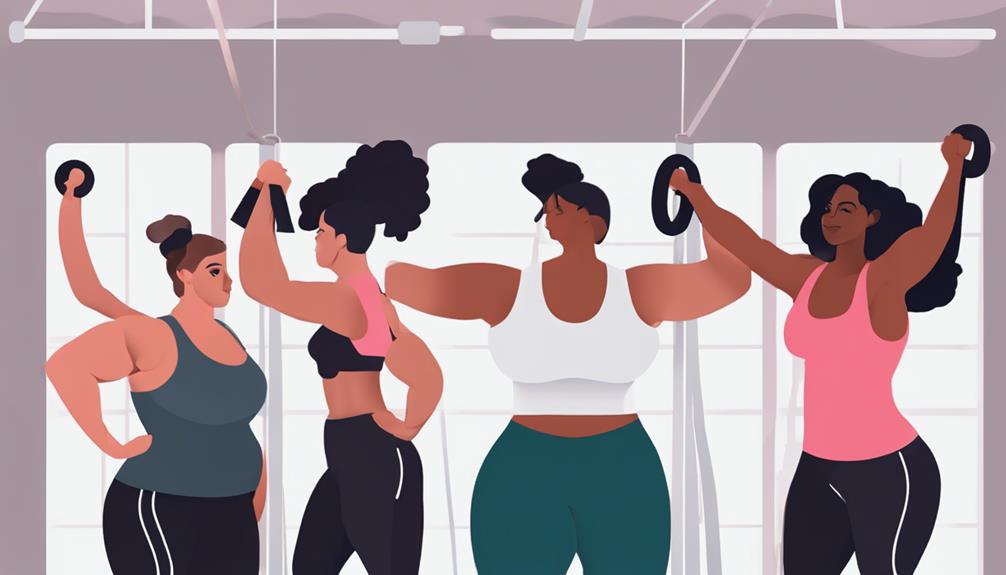
Feminine Expression & Cross-Dressing

Feminine expression & cross-dressing cover a wide spectrum of behaviors, styles, and identities that challenge rigid ideas about gender presentation. Whether someone adopts traditionally feminine clothing as an act of personal comfort, artistic performance, political expression, or exploration of identity, these practices invite reflection on how society defines gender. This article explores meanings, history, social dynamics, practical considerations, and resources to better understand feminine expression & cross-dressing in contemporary life.

What feminine expression and cross-dressing mean

Feminine expression refers to ways people present traits culturally associated with femininity, such as clothing, makeup, gestures, or grooming choices. Cross-dressing traditionally describes wearing clothing culturally associated with a gender other than the one assigned at birth, but the term has evolved and overlaps with broader forms of gender expression. For many, feminine expression & cross-dressing are not indicators of sexual orientation or a fixed identity; instead, they can be a mode of creativity, comfort, or self-discovery. Understanding the distinction between presentation and identity helps reduce stigma and supports people who are experimenting with or regularly practicing gender variance.

A brief historical and cultural perspective

Across cultures and historical periods, clothing and gender performance have been remarkably fluid. Religious rituals, theater, and social customs often included cross-dressing or gender transgression, from classical theater troupes to courtly fashions that blurred boundaries. In the modern era, cross-dressing has taken many forms: drag as performance art, women adopting masculine attire for work or social freedom, and men embracing feminine styles as part of personal style or activism. Feminine expression & cross-dressing have also been central to movements that challenge gender norms, showing how dress can be both personal and political.

Social reactions and the politics of appearance

Reactions to feminine expression & cross-dressing vary widely depending on cultural context, community norms, and legal frameworks. In some places, such expressions are celebrated or normalized; in others, they can provoke misunderstanding, discrimination, or even criminalization. The politics of appearance affects employment, safety, and social inclusion. Advocates emphasize that freedom of dress is connected to civil rights and bodily autonomy, arguing that people should be able to present their gender in ways that feel authentic without fear of harassment. Building allyship and educating workplaces, schools, and families can reduce harm and create safer environments for everyone.

Personal experience, identity, and mental health

For many individuals, exploring feminine expression & cross-dressing is a vital part of understanding their gender and emotional well-being. Some find that adopting different styles alleviates dysphoria, enhances confidence, or unlocks new aspects of personality. Others engage in cross-dressing for performance or exploration without seeking a change in gender identity. Mental health professionals increasingly recognize the importance of supporting clients in gender exploration without pathologizing them. Access to affirming therapy, peer support groups, and respectful healthcare can improve mental health outcomes and reduce isolation for people navigating complex feelings about gender and presentation.

Practical advice for expression, safety, and community

Practical considerations can make feminine expression & cross-dressing more accessible and safer. Start by experimenting in private or with trusted friends to build confidence. Learn about clothing fits, fabrics, and styling techniques that align with desired presentation, and practice grooming or makeup in low-pressure settings. Consider safety in public spaces: research local laws, choose environments known to be welcoming, and connect with community organizations or online forums for tips and solidarity. Equally important is preparing for conversations with family, coworkers, or partners by setting boundaries and deciding how much to disclose. Communities that celebrate diverse gender expressions provide support, resources, and opportunities to connect with others who share similar experiences.

The role of media, art, and education

Media and art have a powerful role in shaping perceptions of feminine expression & cross-dressing. Positive, nuanced portrayals in film, television, literature, and social media can help normalize diverse presentations and dismantle harmful stereotypes. Educational efforts in schools and workplaces that explain the difference between gender identity, expression, and sexual orientation create more inclusive cultures. Workshops, panels, and community events that center lived experiences contribute to greater understanding and empathy. When media and institutions amplify a range of voices and stories, they help create space for people to express themselves safely and authentically.

Feminine expression & cross-dressing are complex, varied, and deeply personal aspects of human life that intersect with culture, identity, and politics. Recognizing the difference between presentation and identity, learning about historical and social contexts, and supporting practical safety and mental health needs can foster more accepting communities. Whether someone is experimenting privately or advocating publicly, respectful curiosity and access to affirming resources make it easier for people to live in ways that reflect who they are. Embracing diversity in gender expression benefits individuals and societies by expanding the possibilities for how we present ourselves and relate to one another.

Related Guides

Forced Fem Femdom

Forced fem femdom is a niche within the broader realm of bdsm and kink feminization that centers on power exchange, role reversal, and theatrical transformation. Though the language suggests coercion, responsible practitioners frame these scenarios as negotiated play between consenting adults. This article explores what people mean by forced fem, the dynamics involved in femdom forced feminisation scenes, and how participants can engage in forced feminisation bondage safely and ethically. Whether you are curious about the psychology behind the kink or looking for practical guidance, the following sections cover core considerations for those interested in this form of play. Discussions of forced feminization often overlap with consensual kink scenes exploring power exchange and role reversal.

What is forced fem femdom and why do people practice it?

Forced fem femdom describes scenarios where a dominant woman takes the lead in feminizing a submissive partner, often as part of a broader femdom dynamic. Participants may use costumes, makeup, feminine clothing, and ritualized commands to create a compelling narrative of transformation. For many, the appeal lies in power dynamics, the exploration of gender roles, and the psychological interplay between dominance, vulnerability, and identity. It is important to emphasize that in healthy communities this is roleplay, not actual nonconsensual harm. The term forced fem can be provocative, but when practiced responsibly it is an exercise in trust, fantasy, and consensual power exchange.

Consent, negotiation, and communication

Any discussion of femdom forced feminisation must begin with informed consent. Partners should negotiate boundaries, limits, and specific activities before a scene begins, and they should agree on safe words or signals that can pause or stop the action. Many experienced players treat forced fem as a form of consensual non-consent, where the illusion of coercion is carefully managed through explicit prior agreement. Clarifying hard and soft limits, medical issues, emotional triggers, and expectations for aftercare reduces risk and fosters trust. Documentation in the form of written checklists can help ensure both parties are aligned and comfortable with the planned activities.

Common dynamics and practices

Practices within forced feminisation bondage and forced femme bondage vary widely depending on the individuals involved. Some scenes focus on clothing and presentation, with the dominant guiding the submissive through dressing, makeup, and posture training. Others incorporate ritual, humiliation play, or service orientation where the submissive performs tasks in a feminine persona. When bondage is involved, bdsm forced fem may include restraints that limit movement and heighten vulnerability, but restraint techniques should always prioritize circulation, breathing, and safety. Dominants often take a pedagogic role, coaching speech and behavior to maintain the scene’s immersive quality. Regardless of the specific practices, clear pre-scene agreements preserve the consensual nature of play.

Safety, risk mitigation, and tools

Safety is the cornerstone of any responsible forced fem femdom interaction. When introducing physical elements like bondage, use reliable hardware, inspect equipment regularly, and practice safe tying techniques to avoid nerve damage or circulation issues. For scenes involving clothing or prosthetics, ensure proper fit and ease of removal. BDSM forced feminisation that includes sensory play should consider allergies, skin sensitivities, and pacing. Establish a nonverbal safe signal in case a gag or noise-limiting apparatus is used, and avoid prolonged restraint without checks. Safe words, time limits, and pre-agreed check-ins allow participants to step out of the role if needed. Training in basic first aid and knowing when to terminate a scene are practical measures every participant should prepare for. Fans of forced fem femdom often wonder about underlying feminization desires and their emotional motivations.

Aftercare, emotional processing, and community norms

Aftercare is especially important for scenes involving intense humiliation, role reversal, or identity play such as femdom forced feminisation. Emotional processing may include physical comfort, verbal reassurance, or private time for reflection, depending on each person’s needs. Participants should debrief the scene, discuss what worked and what did not, and adjust future boundaries if necessary. Engaging with a supportive community can be helpful for newcomers; forums, workshops, and experienced mentors provide advice on technique, etiquette, and safety. Because the language around forced feminisation can be provocative, communities often stress the ethical imperative of consent, confidentiality, and mutual respect to protect all parties involved.

Ethical considerations and legal boundaries

Even when consensual, scenes that simulate force can raise ethical and, in some cases, legal concerns if boundaries are not respected. It is crucial to remember that roleplay does not negate the law: actual nonconsensual acts are illegal and harmful. Participants should be mindful of consent documentation and ensure everyone involved has the capacity to consent. Publicly exposing nonconsenting elements or broadcasting scenes without explicit permission violates trust and can have serious consequences. Furthermore, practitioners should be sensitive to the potential psychological impact of gender-based play and proceed with empathy when exploring themes of identity and transformation.

Forced fem femdom occupies a complex space within bdsm kink feminization, blending theatricality, power exchange, and intimate trust. Approached responsibly, it can be a deeply rewarding form of play that allows partners to explore identity, surrender, and authority within a negotiated framework. Prioritizing consent, clear communication, technical safety in bondage, and attentive aftercare ensures that scenes remain ethical, enjoyable, and sustainable. Whether you are a newcomer or an experienced player, continuous learning and community engagement will help you practice forced feminisation bondage and related dynamics with care and respect.

Female To Female Transgender

Many people exploring gender and presentation find themselves navigating terms and practices that overlap but are not identical. For readers researching female to female transgender experiences within the broader topic of feminine expression and cross dressing, it helps to separate identity from performance and to acknowledge the wide variety of ways people express femininity. This article looks at what the phrase female to female transgender can mean in practice, how it relates to cross dressing and feminine presentation, and practical, social, and emotional considerations for people and their allies. Many female-to-female transgender readers explore cross-dressing resources to refine their feminine presentation and confidence.

What people mean by female to female transgender

The phrase female to female transgender is sometimes used to describe individuals who identify and live as female but who were assigned female at birth and later embraced a transgender identity, or more commonly people who transition to female from another assigned sex. Language in gender communities varies widely, so context matters. Some people prefer terms like trans woman or transfeminine, while others use descriptors that reflect personal histories and expression. Whatever wording is used, the important point is to respect each person’s chosen identity and to recognize that transgender experience is about a core sense of gender, not only clothing or behavior.

Feminine expression versus cross dressing

Feminine expression and cross dressing overlap but are different concepts. Feminine expression refers broadly to how someone displays femininity through clothing, grooming, voice, gestures, and social roles. Cross dressing traditionally refers to wearing clothing culturally associated with a gender different from the one assigned at birth, often as a form of expression, performance, or comfort. For someone described as female to female transgender, feminine expression may be a daily lived reality rather than an occasional form of dress. Conversely, someone might cross dress as a way to explore femininity without adopting a transgender identity. Understanding this distinction helps avoid assumptions about a person’s gender identity based solely on appearance.

Practical tips for presenting femininely

For individuals exploring feminine presentation, whether as part of a transition or personal expression, practical choices can make a big difference in comfort and confidence. Start with clothing that matches your body shape and that you feel comfortable moving in; fit is more important than size. Undergarments and shapewear can alter silhouette in ways that help clothing drape as intended. Makeup and hairstyling are tools for emphasizing features you want to highlight; tutorials and practice can build skill and make application quicker. Voice and mannerism adjustments, if desired, are best approached gradually and with professional guidance from speech therapists experienced in gender-affirming care. Above all, pacing yourself and experimenting in safe environments helps you learn what feels authentic without pressure to conform to any single standard of femininity.

Social and emotional considerations

Adopting a feminine presentation can be empowering but also emotionally complex. People who are female to female transgender or who engage in cross dressing may face misunderstanding from family, friends, coworkers, and institutions. Coming out or changing presentation at work requires thought about policies, potential discrimination, and personal safety. Emotional support is crucial; many find it helpful to connect with peers and mentors who have navigated similar paths. Therapy with clinicians skilled in gender diversity can provide a confidential space to process feelings and develop strategies for communication. It’s also normal for identity and expression to evolve over time—what feels right today may shift, and that fluidity is part of many people’s journeys. Those reading about female to female transgender journeys may find guidance on feminine body goals helpful.

Safety, community, and resources

Safety is a practical concern when presenting femininely in public spaces. Assessing the local environment, having contingency plans, and traveling with trusted companions can reduce risk. Community resources such as support groups, local LGBTQ centers, and online communities offer practical advice on shopping, styling, and navigating healthcare. For medical and legal transitions, providers who specialize in gender-affirming care can explain options and consequences clearly. While the shorthand transgender f is sometimes used in informal conversations to denote transfeminine identities, always prioritize respectful language that aligns with how each person self-identifies. Building community connections also helps counter isolation and provides access to collective knowledge about safe spaces, advocacy, and cultural events that celebrate feminine expression and cross dressing.

Working with allies and professionals

Allies—friends, family members, coworkers, and professionals—play an important role in supporting feminine expression. Allies can educate themselves about terminology and the difference between gender identity and expression, practice using correct names and pronouns, and create environments that reduce stigma. For those seeking medical or therapeutic support, choose professionals who demonstrate cultural competence in gender issues. Tailored advice from stylists, makeup artists, or speech therapists with trans-affirming experience can accelerate comfort and skill while honoring individual goals. Employers and community leaders can contribute by adopting inclusive policies and offering training that reduces barriers for people who are female to female transgender or who experiment with cross dressing in ways that matter to their sense of self.

Navigating feminine expression and cross dressing as a person who identifies as female to female transgender or as someone exploring transfeminine presentation involves personal discovery, practical adjustments, and social negotiation. Respectful language, supportive communities, and access to knowledgeable professionals make that path safer and more fulfilling. Whether the focus is clothing, voice, legal transition, or simply feeling more authentic in daily life, each step toward living in alignment with one’s sense of self is meaningful and worthy of support.

Enhancing Sissy Femininity Through Hair Styling Tips

Enhance your sissy femininity with these expert hair styling tips: discover the ideal hairstyle to complement your face shape and hair type. Embrace hair accessories to enhance your look with fashionable choices. Master curling techniques for well-defined, flattering curls and upkeep healthy hair with a reliable care routine. Style your hair based on its length, trying out shades to accentuate your femininity. These tips will help you radiate confidence and style while discovering your individual flair. Reveal your inner femininity effortlessly and let your hair be your manifestation of self-assurance.

Choosing the Right Hairstyle

perfect hairstyle for you

When selecting the ideal hairstyle to enhance your sissy femininity, consider your face shape and hair texture for best results. Haircut selection plays a pivotal role in achieving a look that complements your features.

For instance, if you have a heart-shaped face, a style with layers or soft curls can soften the angles of your face. On the other hand, if you have a round face, opting for a hairstyle with volume at the crown and wispy bangs can create the illusion of length.

Additionally, understanding your hair texture is essential. For fine hair, a layered cut can add volume and movement. Those with thick hair might benefit from a blunt cut to manage the density.

When styling your hair, using the right tools is key. Invest in quality styling tools like a good hairdryer, straightener, or curling iron to achieve the desired look with ease.

Embracing Hair Accessories

To elevate your sissy femininity through your hairstyle, consider embracing a variety of hair accessories to add flair and charm to your look. Hair accessory trends are constantly evolving, offering a wide range of options to complement your style.

From dainty floral clips to bold statement headbands, there's something for every sissy to express their unique femininity.

Stay ahead of the fashion curve by keeping an eye out for upcoming accessory collaborations. Many brands are teaming up with designers to create exclusive hair accessory collections that are both trendy and chic. These collaborations often feature limited edition pieces that can elevate your hairstyle to the next level.

Experiment with different hair accessories to find what best suits your personal style. Whether you prefer sparkling rhinestone barrettes or delicate silk ribbons, the key is to have fun and embrace the versatility that hair accessories can bring to your overall look.

Mastering Hair Curling Techniques

Enhance your sissy femininity by mastering various hair curling techniques that can elevate your hairstyle with elegance and charm.

When using a curling iron, start by sectioning your hair and wrapping small sections around the iron for defined curls. Remember to hold each section for a few seconds before releasing for best results. Professional tip: Curl away from your face for a more flattering look.

For those looking to minimize heat damage, consider heatless curl methods such as braiding damp hair before bed or using foam rollers. These techniques can create beautiful waves and curls without the need for heat styling tools.

Another option is trying overnight styles like twist braids or sock buns, which can give you gorgeous curls by morning.

Maintaining Healthy Hair Care Routine

Start by establishing a consistent and effective healthy hair care routine to guarantee your locks stay vibrant and strong.

When it comes to haircare products, opt for those tailored to your hair type and concerns. Invest in quality shampoos and conditioners that promote scalp health and hair growth. Look for ingredients like biotin, keratin, and essential oils. Additionally, incorporate a weekly deep conditioning treatment to keep your hair nourished and moisturized.

Styling tools play an important role in maintaining healthy hair. Use heat protectant sprays before using hot tools like straighteners or curling irons to prevent damage. Limit the use of heat styling tools to prevent dryness and breakage. Embrace natural hairstyles that require minimal heat styling to give your hair a break.

Regular trims are essential for preventing split ends and maintaining hair health. Aim to trim your hair every 6-8 weeks to keep it looking fresh and vibrant.

Styling Tips for Different Hair Lengths

For various hair lengths, styling techniques can be tailored to enhance your overall look and manageability. If you have a pixie cut or a bob style, consider adding volume and texture with the use of styling products like mousse or texturizing spray. Long hair can be styled in elegant updos or left flowing for a more feminine touch, while short hair can be accentuated with accessories like headbands or hair clips for a cute and sassy look.

When dealing with long hair, try experimenting with different braiding techniques or opt for loose waves for a romantic feel. For short hair, consider adding layers to create dimension and movement. Additionally, styling short hair with a side part can add a touch of sophistication to your overall appearance.

Incorporating Color to Enhance Femininity

To elevate your sissy femininity through your hairstyle, consider incorporating color strategically to enhance your overall look. Bold color choices can make a significant impact on your appearance. Opt for vibrant shades like hot pink, electric blue, or fiery red to add a daring and eye-catching element to your hair. These bold colors can help you stand out and exude confidence in your femininity.

In addition to bold colors, consider incorporating feminine hair hues to enhance your overall look. Soft pastel colors like blush pink, lavender, or baby blue can add a delicate and romantic touch to your hairstyle. These colors can evoke a sense of elegance and grace, perfect for enhancing your sissy femininity.

Experiment with different color combinations to find the perfect mix that complements your style and personality. Whether you choose bold or feminine colors, adding color to your hairstyle can elevate your femininity and make a statement with your look.

Frequently Asked Questions

How Can I Make My Hair Styling Routine More Efficient?

To make your hair styling routine more efficient, try quick styles like updos or heatless waves and braids. These options are time-saving and versatile, giving you a stylish look without spending hours in front of the mirror.

Are There Any Specific Hairstyles That Suit Different Face Shapes?

For personalized style, consider your face shape when choosing a hairstyle. Oval faces suit most styles. Heart-shaped faces complement soft layers. Square faces look great with soft waves. Round faces benefit from layered cuts. Experiment to find your perfect match!

What Are Some Common Mistakes to Avoid When Using Hair Accessories?

When using hair accessories, avoid overdoing it – less is more! Stick to current trends like statement clips or headbands. Do: match accessories to your outfit. Don't: mix too many styles. Keep it chic!

Can You Provide Tips for Managing Frizzy Hair?

To manage frizzy hair effectively, incorporate hydrating treatments and smoothing serums into your routine. Use anti-frizz techniques and apply heat protectants before styling. These steps will help you achieve smooth, sleek hair that's free from frizz.

How Can I Maintain Volume in Fine, Thin Hair?

To maintain volume in fine, thin hair, try volumizing techniques like root lifting sprays or mousses. Use lightweight products for lift without weighing hair down. Consider using a round brush or velcro rollers for added volume. Protect hair from heat damage with a heat protectant spray.

Conclusion

To wrap up, by following these hair styling tips, you can enhance your sissy femininity and feel more confident in your appearance.

Remember to:

  • Choose the right hairstyle
  • Embrace accessories
  • Master curling techniques
  • Maintain a healthy hair care routine
  • Experiment with different lengths and colors

With a little time and effort, you can achieve a stylish and feminine look that suits your personal style.

Embrace your femininity and have fun with your hair styling journey!

Trans Female Clothing

Exploring trans female clothing is an important part of feminine expression and cross dressing for many transgender women and gender diverse people. Clothing can be both practical and transformative: it helps shape silhouette, communicates identity to others, and can increase comfort and confidence. Whether you are experimenting with a new wardrobe for the first time or refining a look you already love, thoughtful choices about fit, fabric, and accessories make a big difference. This article offers guidance on finding garments that flatter your body, strategies for shopping and tailoring, and ways to express femininity while staying safe and comfortable. Resources about trans female clothing can help with exploring feminine style and thoughtful cross-dressing choices.

Understanding personal style and goals

Before buying a single piece, it helps to clarify what feminine expression means to you. For some, trans female clothing means adopting classic women’s silhouettes like A-line dresses and tailored blazers; for others it’s more about mixing traditionally feminine elements into a wardrobe that still feels authentic, using soft textures, jewelry, or color. Think about the environments where you want to wear these clothes—work, social events, nightlife, or casual days—and prioritize items that will fit those contexts. Style inspiration can come from many places: celebrities, fashion bloggers, vintage magazines, or simply noticing outfits you admire in day-to-day life. The aim is to build a wardrobe that reflects your personality while supporting your comfort and mobility.

Choosing the right sizes and fit

Fit is the most important factor in how clothing reads on the body. Many transgender women find that sizes labeled for women do not correspond neatly to their measurements, and that’s okay. Start by learning key measurements: bust, waist, hips, and torso length. Use size charts from retailers rather than relying on numeric labels. Certain garments, like dresses and skirts, will benefit from accurate torso length measurements and a willingness to alter hems. Shapewear and undergarments designed for trans bodies or for cross dressing can also help create smoother lines and improve how clothing hangs. If possible, try items on in a private fitting room or at home to assess comfort and movement, and consider professional tailoring for pieces you plan to wear often—small adjustments can dramatically improve how trans female clothing looks and feels.

Styling techniques and feminine details

Small styling choices can amplify femininity without requiring a complete wardrobe overhaul. Layering a cardigan or blazer over a blouse softens the shoulder line, while a belt at the natural waist creates a curvier silhouette. Choosing fabrics with movement—silk, chiffon, soft knits—adds a sense of fluidity that many associate with feminine clothing. Necklines, sleeve lengths, and hemlines all influence perception: V-necks and sweetheart necklines emphasize the bust, cap sleeves or flutter sleeves can narrow shoulders visually, and A-line skirts tend to balance hips and waist. Accessories like scarves, necklaces, and earrings draw attention to the face and can unify an outfit. When selecting footwear, prioritize both aesthetic and comfort; a moderate heel or wedge often changes posture and gait in a flattering way without compromising stability. Complement trans female clothing choices with facial contouring tips to enhance a softer, more feminine face.

Shopping strategies and resources

Shopping for trans female clothing can be empowering when approached with preparation. Many mainstream stores now carry inclusive sizing and styles suitable for transgender women, but specialty shops and online communities can offer tailored support and advice. Look for retailers that provide detailed measurements, customer reviews, and clear return policies so you can experiment risk-free. Thrift stores, consignment shops, and vintage boutiques are excellent places to find unique pieces and save money while exploring different eras and silhouettes. Online forums and social media groups focused on transgender women’s clothing and cross dressing often share vendor recommendations, fit tips, and real-life outfit photos that make decision-making easier. If you have access to local LGBTQ friendly tailors or costume shops, they can be invaluable for custom alterations and suggestions about structure and materials.

Safety, confidence, and social considerations

How you present yourself through clothing can have emotional and social consequences, so it’s important to balance expression with personal safety. Assess environments before wearing particularly gendered items in public, and consider whether bringing a friend or choosing certain times and locations will make you feel safer. Building confidence is a gradual process: start with outfits that feel manageable and increase visibility as your comfort grows. Voice, makeup, posture, and movement interplay with clothing; practicing at home or with supportive friends can help you feel more at ease. Remember that everyone’s journey is unique—some days you may prefer subtle feminine touches, while other days you might embrace a full femme presentation. Both are valid ways of expressing identity through trans female clothing and transgender women clothing choices.

Trans female clothing is not just about garments; it’s about crafting a presentation that aligns with your identity and needs. By understanding your style goals, prioritizing fit and fabric, using thoughtful styling techniques, and choosing shopping options that support experimentation, you can create a wardrobe that boosts confidence and comfort. Whether you are beginning to explore feminine expression and cross dressing or refining an established look, the process should be patient and joyfully tailored to you. Embrace the pieces that make you feel most like yourself and allow your clothing to be a supportive tool in your journey.

Crossdressers Images

Photographs and visual representation play a powerful role in how people perceive identity, and crossdressers images are central to that conversation. Within the broader Feminine Expression & Cross-Dressing pillar, images can affirm identity, provide inspiration, and challenge stereotypes. This article, part of the feminine expression cross dressing cluster, explores how images shape experience, offers guidance for creating respectful photographs, and highlights ethical and practical considerations for anyone using or producing imagery in this context. These visuals of cross-dressing reveal varied approaches to feminine expression and personal identity.

Understanding the importance of crossdressers images

Images do more than capture a moment; they convey nuance about presentation, style, and emotion. For many people exploring feminine expression and cross dressing, reference photos can be instructive—showing how makeup, clothing, posture, and lighting contribute to a desired look. Crossdressers images serve as a visual language that helps individuals experiment safely and learn techniques from others who share similar goals. They also contribute to visibility, allowing diverse experiences to be recognized in media and community spaces. When composed thoughtfully, images can validate personal expression and foster a sense of belonging.

The role of imagery in developing feminine expression

Developing feminine expression often involves trial and error, and images provide a nonverbal way to study those experiments. Photographs let a person review angles, color combinations, and proportions that work best for their body and aesthetic. They can also document progress over time, revealing subtle improvements in confidence and technique. Beyond personal use, shared crossdressers images create a resource base where community members exchange tips on everything from wig selection to gait training. Importantly, imagery can be empowering when it centers authenticity rather than enforcing narrow beauty standards.

Creating respectful and authentic images

Creating images that honor the individual begins with intention. Authentic photographs prioritize the subject’s comfort, presentation choices, and narrative. Good images often result from simple technical decisions—soft, flattering light, uncluttered backgrounds, and attention to composition—combined with emotional care, such as encouraging natural poses and expressions. For those aiming to present themselves as the best crossdresser for their own goals, portrait sessions that feel collaborative yield the most satisfying results. Whether shot with a phone or professional camera, images that reflect genuine personality resonate more than those that mimic a trend without context.

Ethical considerations and consent

Ethics must be central when producing or sharing crossdressers images. Consent is nonnegotiable: subjects should understand how their images will be used, who will see them, and whether they can be removed later. This is particularly important given the potential for images to be misused or circulated beyond intended audiences. Photographers and community members should also be mindful of privacy, offering options like blurred backgrounds, cropped images, or controlled sharing environments. Representational ethics extend to avoiding exploitation; images should not fetishize or sensationalize people’s identities. Respectful portrayal supports dignity and safety for everyone involved. If you enjoyed Crossdressers Images, view my crossdressing photo collection documenting how I like to dress.

Practical tips for better photos and finding inspiration

Practical improvements to photography can make a big difference. Pay attention to natural light, experiment with different poses, and take multiple shots to increase the chances of a strong image. Simple props and clothing choices that align with the intended look are often more effective than elaborate setups. For those seeking inspiration, curated galleries, community forums, and social media accounts can be useful sources of ideas, though it is wise to prioritize creators who clearly consent to sharing their work. When searching for examples of the best crossdresser looks, look for diversity in age, body type, and style so you can adapt techniques to what suits you personally rather than chasing a single ideal.

Navigating community and online sharing

Online spaces can be a double-edged sword. They provide community, validation, and tutorial resources, but they also carry risks around privacy and harassment. Choosing platforms with robust moderation and clear privacy controls helps mitigate those risks. When sharing crossdressers images online, consider using platforms that allow audience control or private groups where members agree to community guidelines. Engaging with supportive communities can also lead to constructive feedback that improves technique and nurtures confidence. Remember that one person’s notion of the best crossdresser look may differ from yours; community input should be balanced with personal comfort and authenticity.

Visual representation within the Feminine Expression & Cross-Dressing pillar has the power to uplift and educate when handled responsibly. Crossdressers images can document journeys, inspire experimentation, and foster community bonds, but they require careful attention to consent, privacy, and respectful portrayal. By focusing on authenticity, learning from diverse examples, and prioritizing ethical sharing practices, individuals and creators can use imagery to celebrate feminine expression in ways that are empowering and safe.

How To Be More Feminine In A Relationship

Many people search for guidance on how to be more feminine in a relationship, whether they identify as women, are exploring cross-dressing, or want to express a softer side of themselves with a partner. Feminine expression can mean different things to different people: it might be a way of dressing, a softer tone of voice, an emphasis on emotional intimacy, or a playful, girly outlook. This article focuses on practical, respectful ways to become more feminine in a relationship while honoring your own identity and the dynamics you share with your partner. For deeper intimacy and self-expression in partnerships, try exploring feminine expression with care and consent.

Understand what femininity means to you

Before you try to change anything, take time to define how you personally interpret femininity. For some, femininity aligns with traditional aesthetics and behaviors; for others, it is about being gentle, receptive, and expressive. Ask yourself questions like how can i become more feminine in a way that feels authentic, or how to be more feminine and soft without losing my boundaries. Reflecting on what being feminine means to you prevents copying a stereotype and helps you adopt traits that truly fit who you are. This is especially important in cross-dressing and feminine expression contexts, where experimentation can be liberating but needs to be rooted in self-respect.

Cultivate appearance and style with intention

Physical presentation is one of the most visible ways to be more feminine, but it does not require an expensive wardrobe or a complete persona overhaul. Small changes—softer fabrics, curated colors, and grooming choices—can create an impression of being more womanly or more girly when you want to. If you are wondering how to be more feminine as a woman or how to be more feminine for my husband, choose pieces that make you feel confident and comfortable first. For those exploring cross-dressing, experimenting with makeup, wigs, and feminine silhouettes in private can help you discover which looks enhance your sense of becoming feminine without pressure. The goal is to let your appearance support the feminine energy you want to communicate.

Communicate and build emotional intimacy

Being feminine in a relationship is as much about emotional presence as it is about looks. Cultivate active listening, vulnerability, and warmth. Share your feelings openly and invite your partner to share theirs; that mutual exchange often strengthens attraction and creates a space where softness and femininity are welcomed. If you’re asking how can a man make a woman feel feminine, consider that many partners respond to being listened to, admired, and emotionally connected. Likewise, if you wonder how to be feminine in a relationship with a man, showing appreciation, practicing gentle assertiveness, and expressing affection in ways that feel natural to you will help foster a balanced dynamic where femininity is honored.

Adopt softer behaviors and body language

How to act more feminine often comes down to the small things: the cadence of your voice, your posture, and the way you move. Slower, more deliberate movements, softer eye contact, and open, inviting gestures can convey a gentle, feminine presence. You don’t need to perform a caricature; subtlety is more powerful. Being mindful of tone—choosing warmth over bluntness—can also shift how you’re perceived without sacrificing honesty. For those wondering how to be more feminine and soft in a relationship, practicing tenderness in your interactions and allowing moments of dependency or care can deepen closeness and let both partners enjoy a more nurturing dynamic. If vocal presentation matters in your relationship, try these voice feminization tips to increase confidence.

Explore feminine expression and cross-dressing thoughtfully

For many people in the feminine expression and cross-dressing community, adopting feminine presentation is a meaningful way to align outer appearance with inner identity. Becoming feminine through clothing, voice work, or role play can be empowering and bring clarity about how you want to relate to your partner. If you’re exploring how to be more girly or how to be more feminine for your spouse, communicate openly about your interests and boundaries. Consent and mutual curiosity are essential. Partners may enjoy helping with outfits or makeup, or they may prefer to observe; either way, respectful dialogue turns exploration into a shared journey rather than a source of confusion.

Balance authenticity with relationship needs

It’s important not to lose yourself in an attempt to fit another person’s ideal of femininity. Authenticity sustains attraction over time, and trying to be someone you are not can create resentment. Ask yourself how to be a softer woman in ways that support both your personal growth and the health of your relationship. Set boundaries about what feels comfortable, and encourage your partner to express what draws them to your feminine qualities. This mutual exchange—of needs, desires, and limits—helps you become more feminine on your own terms while strengthening trust and compatibility.

Becoming more feminine in a relationship is a gradual, personal process that blends appearance, behavior, and emotional presence. Whether your goal is to learn how to be more feminine in a relationship, how to be more feminine and soft, or to explore feminine expression through cross-dressing, prioritize authenticity, communication, and consent. When you define femininity for yourself and involve your partner in a compassionate, curious way, you create a relationship dynamic that honors both your identity and your connection. Conclude each step with reflection on what feels right, and let your evolving expression of femininity enrich your relationship.

Feminizing Boyfriend

Exploring feminizing boyfriend dynamics within BDSM and kink feminization can be an exciting and intimate way for couples to deepen trust, experiment with power exchange, and play with gender presentation. Whether you are new to this scene or refining an ongoing dynamic, approaching feminization with clear consent, emotional intelligence, and practical planning will help ensure the experience is positive for both partners. This article outlines how to negotiate feminization play, practical techniques, psychological considerations, and ways to maintain a healthy, sustainable kink dynamic. Consider consensual feminization play when couples negotiate boundaries and explore kink, power exchange safely together.

Understanding feminization in BDSM and kink feminization

Feminization in BDSM covers a range of activities where one partner adopts feminine clothing, mannerisms, or roles, often as part of a dominant and submissive exchange. For some couples it is focused on aesthetic transformation, while for others it is a deeper exploration of gendered power and identity. Recognizing that feminization is a consensual fetish rather than an assumption about sexual orientation or gender identity is essential. Partners should treat the practice as a form of roleplay and kink that is entered into explicitly, with room for negotiation and evolution.

Setting boundaries and negotiating consent

Like any kink, feminizing boyfriend play begins with negotiation. Partners should discuss limits, triggers, and desired outcomes before any scene takes place. Conversations should cover what clothing and grooming changes are acceptable, whether public outings are involved, and what signals will pause or stop the activity. Establishing a clear safe word or safe signal is critical, especially when humiliation elements or strong power exchange are part of the scene. Consent is ongoing, so check in regularly and be prepared to adapt or stop if either person feels uncomfortable.

Practical steps to feminize your boyfriend

Practical feminization can range from simple to elaborate. Start small if either partner is tentative: makeup lessons, nail polish, stockings, or a feminine voice exercise can be good entry points. For couples seeking a more structured approach, planning sessions dedicated to grooming, hair styling, and wardrobe selection can create a ritual that enhances the psychological aspects of feminization. Incorporate elements that reinforce the chosen roles, such as giving specific instructions about posture, speech, and pet names. Remember that tools and props should be used safely; for example, avoid restrictive clothing that impedes breathing and choose cosmetics compatible with skin type to prevent irritation.

Psychological dynamics and emotional safety

Feminization can stir complex emotions. For some submissives, adopting a feminine role brings liberation and joy, while for others it may provoke vulnerability or shame. A dominant partner should be attentive to these responses and provide reassurance and debriefing after scenes. Discuss expectations for identity outside of play so that feminization remains clearly differentiated from everyday gender identity unless both partners agree otherwise. For a partner who becomes a feminized bf during play, affirmations, compliments, and aftercare can reinforce that the experience was chosen and valued. When feminizing your boyfriend, prioritize negotiated power exchange to safely explore forced-fem femdom dynamics together.

Aftercare and integrating feminization into your relationship

Aftercare is a vital part of any session that involves emotional intensity. After a feminization scene, spend time reconnecting in a way that suits both partners, whether that means cuddling, talking through feelings, or engaging in comforting routines. Address any surprises or discomforts openly, and adjust future scenes accordingly. If feminization is becoming a recurring dynamic, establish rituals that honor the exchange, like scheduled sessions or agreed clothing cues, while preserving flexibility so that the practice remains consensual and joyful rather than obligatory.

Respecting identities and avoiding harm

One important ethical consideration is differentiating kink feminization from real life identity exploration. Avoid using feminization as a tool to coerce someone into permanent gender-related changes or to mock gender expression. If either partner is questioning their gender identity, approach that topic with sensitivity and encourage seeking supportive resources outside of the kink context. A respectful dominant will prioritize the well being of a submissive beyond the scene, and will never weaponize feminization as punishment or ridicule.

Feminizing boyfriend play can be a rewarding part of BDSM and kink feminization when handled responsibly. By centering consent, clear communication, practical safety, and thoughtful aftercare, couples can create transformative experiences that strengthen intimacy and trust. If both partners remain attentive to emotional responses and respect boundaries, feminization can become a sustainable, enjoyable element of a healthy kink relationship.

managing online presence effectively

Navigating Sissy Social Networks: 5 Helpful Tips

To navigate sissy social networks successfully, start by choosing platforms that align with your goals and offer privacy settings that suit you. Build a supportive network by connecting with like-minded individuals, seeking allies, and providing support. Engage with community guidelines to ensure respectful interactions and contribute to a welcoming environment. Leverage training resources to enhance your social networking skills and stay safe by protecting personal information and reporting any issues promptly. These tips will help you navigate sissy social networks effectively and create a positive online presence.

Choosing the Right Platform

selecting the appropriate social media platform

When selecting the ideal social networking platform, consider your specific needs and goals to ensure a tailored experience. Start by looking into the privacy settings offered by different platforms. Your comfort level with sharing personal information and the level of control you desire over who sees your posts should guide this decision.

Understanding user demographics is also crucial. Different platforms attract varying age groups, interests, and purposes. Knowing the demographics can help you choose a platform where you're likely to find like-minded individuals and relevant content.

Building a Supportive Network

Consider diversifying your connections by engaging with individuals who share similar interests, values, and experiences to create a robust and supportive network. When building a supportive network within the sissy community, finding allies is essential. Seek out individuals who understand your journey and can offer valuable insights and encouragement.

By creating connections with like-minded individuals, you can establish a safe space where you feel understood and accepted.

Don't hesitate to seek advice from those in your network who've walked a similar path. Sharing experiences can help you navigate challenges more effectively and provide you with different perspectives on various situations.

Building a supportive network isn't just about receiving help but also about offering your support to others in return.

Engaging With Community Guidelines

community guidelines and interaction

To navigate sissy social networks effectively, familiarize yourself with and adhere to the community guidelines in place for respectful and constructive interactions. Understanding boundaries is crucial in maintaining a safe and positive environment for all members. It's essential to respect the boundaries set by individuals and the community as a whole. By promoting diversity and fostering inclusion, you contribute to creating a welcoming space where everyone feels valued and respected.

When engaging with community guidelines, remember that they're designed to ensure a harmonious and supportive atmosphere. Take the time to read and understand these guidelines thoroughly to prevent any unintentional breaches. Embracing these guidelines not only benefits you but also enhances the overall experience for everyone involved.

Leveraging Training Resources

Explore the training resources available to enhance your understanding and proficiency in navigating sissy social networks effectively.

Interactive workshops offer a hands-on approach to learning the ins and outs of these platforms, providing you with practical skills and strategies for engaging with the community. These workshops often include interactive activities and discussions, allowing you to apply what you've learned in real-time scenarios.

Additionally, skill-building seminars focus on specific areas such as communication, online etiquette, and privacy settings. By participating in these seminars, you can develop essential skills that will help you navigate sissy social networks with confidence and competence. These sessions often feature expert speakers who can provide valuable insights and guidance on best practices for engaging with others online.

Staying Safe Online

internet safety is crucial

Safeguard your online presence by implementing proactive measures to protect your personal information and privacy while engaging on sissy social networks. Start by adjusting your privacy settings to control who can view your profile and posts. This simple step can help prevent unauthorized access to your information and keep your online activities more secure.

To further ensure your safety online, familiarize yourself with the platform's cyberbullying prevention tools. Report any instances of harassment or bullying immediately to the platform administrators. Remember, your safety and well-being are a priority, and no form of bullying should be tolerated.

Additionally, be cautious about the information you share online. Avoid disclosing sensitive details such as your address, phone number, or financial information. Stay vigilant and think twice before clicking on suspicious links or sharing personal data with strangers.

Conclusion

In conclusion, navigating sissy social networks can be a positive and empowering experience when you follow these helpful tips.

By choosing the right platform, building a supportive network, engaging with guidelines, utilizing training resources, and staying safe online, you can create a space where you feel accepted and connected.

Remember to always prioritize your safety and well-being while exploring these communities.

Happy networking!

Feminization Training

Feminization training offers a structured approach for individuals seeking to develop feminine presentation, voice, movement, and social skills. Whether motivated by gender transition, performance, or personal expression, a thoughtful feminization training plan combines practical exercises, education, and supportive resources. This article outlines what feminization training involves, highlights the elements of an effective feminization training program, and lists tools and resources to support long-term progress while emphasizing safety and consent. Supplement your feminization training with comprehensive feminization tools for makeup, voice, wardrobe, and presentation.

What is feminization training?

At its core, feminization training is an intentional process of learning and practicing behaviors traditionally associated with femininity. That can include voice modification, body language, wardrobe and grooming, makeup techniques, and social communication strategies. For many people, feminization training is more than cosmetic change; it is a way to align external presentation with internal identity. Approached with care, it becomes a series of skills that anyone can learn and adapt to their personal goals and comfort levels.

Core components of a feminization training program

An effective feminization training program integrates multiple areas of development rather than focusing on a single change. Voice work often takes center stage because speech patterns strongly influence gender perception. Exercises for pitch, resonance, articulation, and intonation help create a natural-sounding feminine voice without strain. Movement and posture training target gestures, gait, and body alignment; these elements can be practiced through mirror work, video feedback, and guided lessons. Makeup and grooming skills are practical components that help refine facial contours and highlight traditionally feminine features. Fashion coaching teaches how to select clothing that flatters an individual’s body type and supports their presentation goals.

Tools and resources to support progress

There are many feminization resources and tools available for people at different stages. Educational platforms offer video tutorials for voice and makeup, while mobile apps provide real-time pitch feedback and practice routines. Specialized workshops and classes give structured guidance and peer feedback, which can accelerate learning. Books and online forums deliver a wealth of practical tips and personal stories, helping learners avoid common pitfalls. For those seeking a more clinical approach, speech-language pathologists and gender-affirming therapists can create tailored plans that consider vocal health and mental well being. Combining self-directed tools with professional support often yields the best and safest outcomes.

Designing a personalized feminization training plan

No single program fits everyone, so designing a personalized feminization training plan is essential. Begin by setting realistic, measurable goals and establishing a timeline that balances progress with rest. Short daily practice sessions for voice and movement are more sustainable than infrequent long sessions. Keep a log of exercises, recordings, and visible changes to track improvement objectively. When choosing a feminization training program, evaluate whether it provides structured curricula, feedback mechanisms, and access to experienced instructors. Tailor the plan to individual priorities: some people prioritize vocal femininity, while others focus on fashion or mannerisms. Regularly reassess goals to ensure the plan remains aligned with personal comfort and desired outcomes. People pursuing feminization training should consult gender-affirming surgeons for guidance about medical and surgical transition options.

Safety, consent, and community support

Safety and consent are foundational in any feminization training, especially when working with partners or participating in group settings. Communication about boundaries, expectations, and emotional needs helps create a respectful environment. Professional providers should follow ethical standards, offering informed consent and privacy protections. Community support groups and peer networks provide encouragement, accountability, and shared knowledge, but it is important to choose spaces that are inclusive and respectful. Mental health support may be necessary for individuals navigating identity-related stressors, and integrating therapy with skill-based training can foster holistic well being.

Measuring outcomes and maintaining gains

Measuring progress in feminization training involves both objective and subjective indicators. Acoustic analysis and video recordings provide measurable changes in voice and movement. Self-assessment tools and feedback from trusted peers or coaches offer insight into social perception and personal comfort. Maintenance practices are crucial: skills like voice modulation and posture can regress without ongoing practice. Incorporating brief daily routines and periodic refreshers into regular life helps preserve gains. Over time, as skills become habitual, less formal practice is needed, but occasional check-ins help ensure continued alignment with personal goals.

Feminization training is a multifaceted journey that blends practical skill building with personal growth. A thoughtful feminization training program draws on varied resources and tools, prioritizes safety and consent, and adapts to the learner’s evolving needs. With realistic goals, consistent practice, and supportive guidance, individuals can develop a presentation that feels authentic and sustainable. By focusing on both technique and wellbeing, feminization training can be a positive and empowering part of someone’s self expression.